
Umbria’s assembly has unanimously directed the regional government to create an integrated Blue Deal. The mandate links water infrastructure, leakage, precision agriculture, advanced treatment and ecosystem repair, but still needs budgets and accountable delivery.
Umbria’s legislative assembly has unanimously approved a motion directing the regional government to develop a Blue Deal for the region. The decision is broad by design. It links investment in water infrastructure with lower network losses, water-efficient agriculture, advanced treatment, hydrological monitoring, blue-technology businesses and restoration of rivers and lakes.
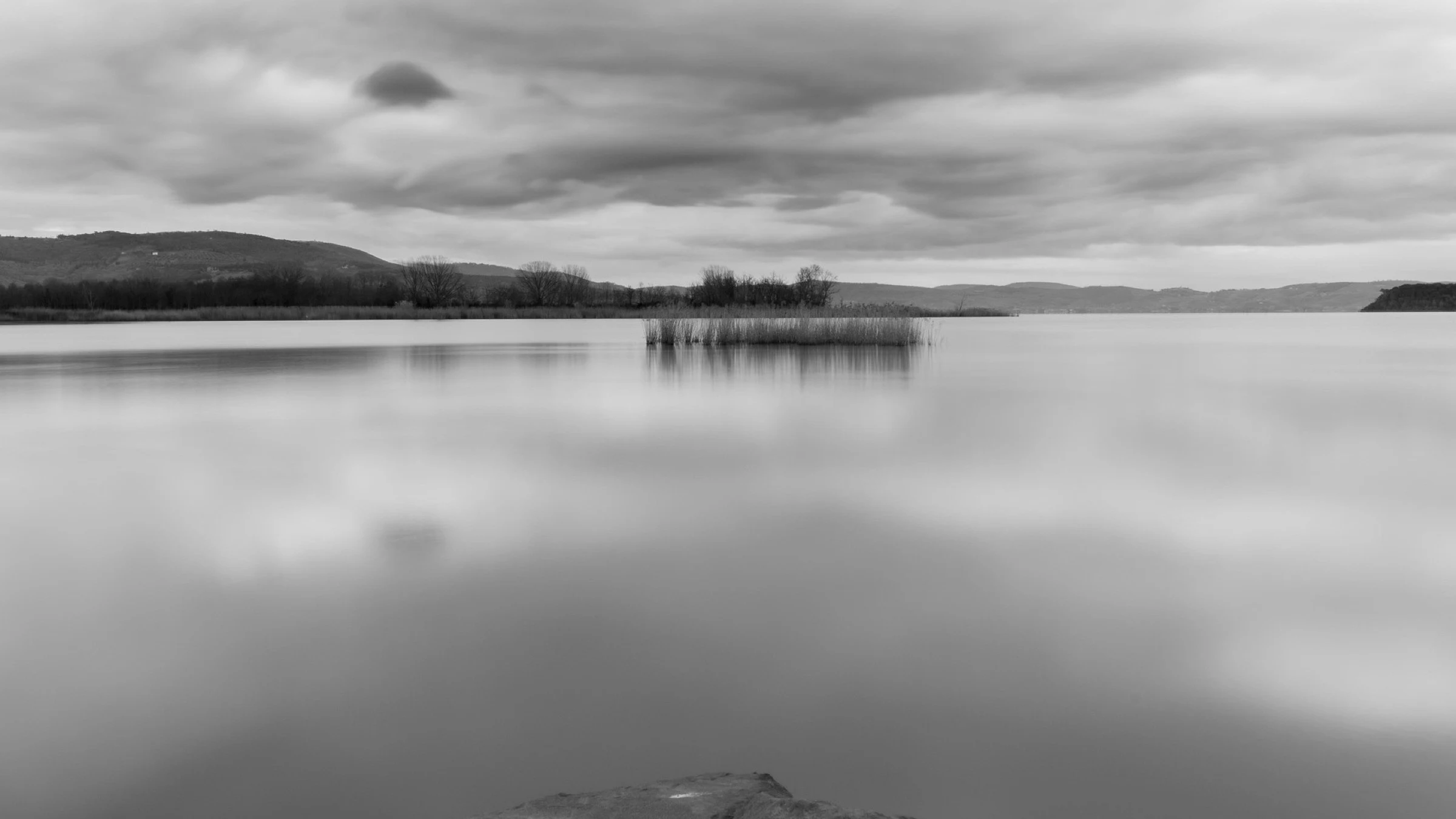
The vote responds to a regional water problem that does not fit inside one department. The assembly’s account points to recurring drought, declining levels in rivers and reservoirs, concentrated rainfall, flooding and hydrogeological instability. Lake Trasimeno is a visible pressure point, while the regional environment councillor said flows from Apennine springs have fallen by 40 percent.
The motion creates direction, not a delivery program
A unanimous mandate can align institutions, but it does not yet assign money, sequencing or responsibility. The regional executive has accepted the motion’s commitments. Its next task is to define which actions are urgent, which produce the largest water benefit and how they will be financed.
The proposed Blue Deal includes several different types of intervention. Reducing distribution losses requires asset data, district metering, repair capacity and renewal budgets. Capturing and storing more water raises questions about sites, ecological effects and operating rules. Precision agriculture needs farm-level incentives, advice and reliable measurement. Advanced treatment and reuse require quality standards, conveyance and willing end users.
These measures can reinforce one another. Better monitoring can identify leakage and low flows. Reclaimed water can reduce pressure on potable supplies. Restored wetlands and river systems can slow runoff and protect water quality. Yet integration only helps if each action has a clear purpose and a decision-maker.
The sequencing question matters because the region cannot implement every measure at once. Early funding can favor actions that improve both knowledge and delivery, such as district-level water balances, pressure management and monitoring at stressed lakes and springs. Those investments can identify where network repairs, storage or reuse will have the greatest effect. They also give the regional government a defensible basis for delaying projects whose water benefit remains uncertain.
Lake Trasimeno gives the strategy a visible test
Lake Trasimeno can anchor the plan because its condition is legible to residents, farmers and businesses. A regional strategy should distinguish the lake’s hydrological balance from the broader cultural and economic value attached to it. Measures that improve one part of the water system may not automatically restore lake levels.
The assembly also wants building rules to prevent potable water being used for toilet flushing. That proposal moves the Blue Deal from large infrastructure into daily demand. It will require standards for dual plumbing, health protection, maintenance and the treatment of existing buildings. A rule without a practical retrofit path could remain confined to new development.
The motion’s support for blue-technology startups and new specialist skills introduces an economic-development ambition. Public procurement can help create a market for monitoring, treatment and ecosystem services, but it should begin with defined regional problems rather than a general technology label. Firms need access to test sites and clear performance measures. Authorities need procurement routes that allow innovation without weakening accountability.
A regional water account can hold the program together
Umbria can turn the motion into an operating plan by publishing a regional water account. It should establish current supply, demand, losses, ecological condition and exposure to drought and flood risk. Each funded measure can then state which balance it changes, by how much and on what timetable.
The first Blue Deal budget should separate committed projects from proposals, and capital works from operating capacity. It should name the institution responsible for each result and show how municipalities, utilities, agricultural bodies and environmental authorities will share data and decisions.
The assembly has supplied a coherent political direction. The harder work is now administrative: choosing priorities, resolving trade-offs and reporting whether the region is actually losing less water, using potable supply more carefully and restoring the systems on which that supply depends.
Take-Out
Umbria’s vote is valuable because it joins water supply, land use, technology and ecosystems; its credibility will depend on converting that breadth into funded priorities with measurable water gains.
Questions and answers
What readers should know
- What did Umbria approve?
- A unanimous motion directing the regional executive to develop an integrated regional Blue Deal.
- Which measures are included?
- Water-infrastructure investment, leakage reduction, precision agriculture, advanced treatment, monitoring, ecosystem regeneration and support for blue technologies.
- Is the Blue Deal already funded?
- The public record establishes the political mandate and acceptance by the executive, but it does not yet provide a complete funded program.
- Why is Lake Trasimeno important?
- It is a visible indicator of regional water stress and a practical test of whether multiple interventions improve a shared hydrological system.
- What should appear next?
- A baseline water account, ranked investments, budgets, named delivery bodies and measurable outcomes for losses, supply, reuse and ecosystem condition.