
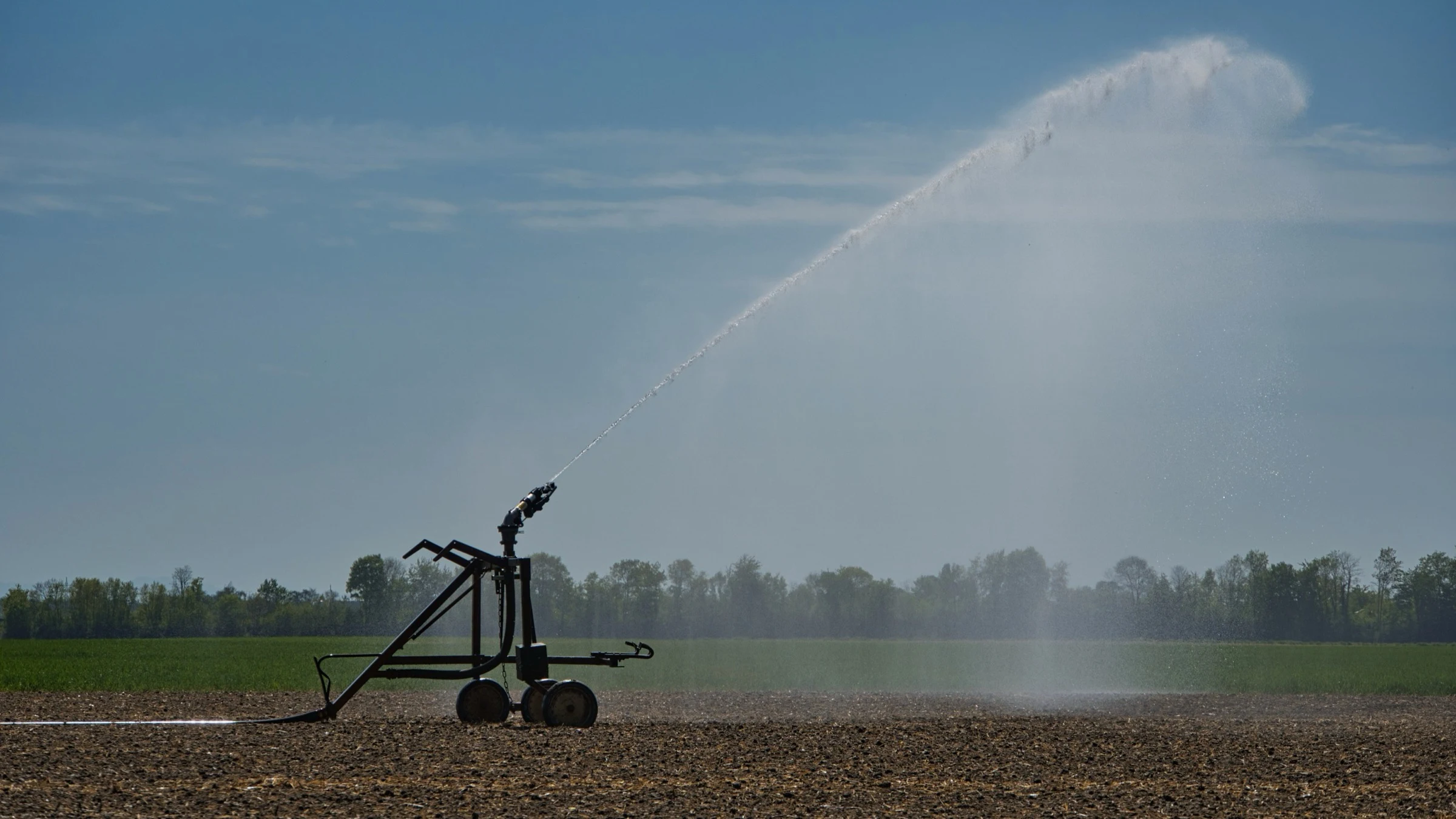
Payments for Environmental Services can link farm management with measurable water and biodiversity goals. The Rhône-Mediterranean-Corsica model shows how territorial operators, staged financing, and farm contracts can turn environmental priorities into an organized delivery system.
Agricultural practices can influence water use, water quality, wetlands, soils, and biodiversity across entire catchments. Payments for Environmental Services (PES) can reward farms for management actions that improve these environmental conditions. Such incentives can support resilience by linking agricultural transitions with measurable water and biodiversity objectives.
Linking Payments to Environmental Outcomes
Payments for Environmental Services create financial incentives for agricultural management that improves environmental conditions. Participating farms receive remuneration for environmental services delivered through their practices and management choices. The mechanism connects agricultural change with defined objectives for water, wetlands, soils, and biodiversity. This approach can support changes across the farm system rather than isolated environmental actions. Payments therefore provide an implementation mechanism for encouraging practices aligned with wider environmental management goals.
Supporting Water and Biodiversity Management
Agricultural PES can address several connected pressures within the same environmental system. Water objectives can include reduced consumption and improved water quality. Other objectives can target biodiversity recovery, wetland functioning, and increased water infiltration into soils. These areas interact because agricultural management affects water movement, habitats, and resource demand. Territorial schemes can focus payments on selected priorities while maintaining a broader transition toward agroecological practices.
Building Territorial Delivery Systems
PES schemes require territorial organizations that can develop projects and coordinate participating farms. These operators connect environmental objectives with agricultural implementation at an appropriate territorial scale. Their role includes developing the payment framework and managing project delivery. Financial support for project preparation can help operators establish schemes before payments begin. Separate support for project management can then maintain administration during implementation and agricultural contracting.
Using Funding to Enable Practice Change
Environmental payments create a financial mechanism for supporting changes that farms provide through their management systems. Funding can compensate participating agricultural holdings for services associated with agreed environmental objectives. This arrangement separates remuneration for environmental services from funding needed to operate the scheme. Territorial operators can therefore combine farm payments with dedicated resources for project management. The resulting structure links environmental priorities, farm participation, territorial coordination, and financial support within one delivery model.
Case Study: Rhône-Mediterranean and Corsica PES Experimentation
The Rhône-Mediterranean-Corsica Water Agency is continuing its PES experimentation across the Rhône-Mediterranean and Corsica basins. The experimentation began in 2019. Its second call operates under the agency’s 12th Sauvons l’eau programme for 2025-2030. The initiative supports new PES projects and consolidation in territories that participated in the first experimentation.
Eligible territorial operators include municipalities, departments, intermunicipal bodies, mixed syndicates, public establishments, and drinking-water production or distribution syndicates. Eligible cooperative companies must support water resources, aquatic or wetland environments, and related biodiversity. Projects must address one or two specified objectives. These cover water conservation, biodiversity recovery, water quality, wetland functioning, or improved soil water infiltration.
Implementation follows staged project development, selection, financing, and contracting. Operators first submit proposals and can receive support for project development. Selected projects then move toward deployment, including project management and remuneration for participating farms. Contracting with farmers is scheduled to begin in autumn 2027.
The agency can finance up to 70 percent of eligible costs during project development. During deployment, it funds 80 percent of payments for environmental services. Participating farms ultimately receive 100 percent because the territorial PES operator covers the remaining 20 percent. The agency also funds 70 percent of project management costs.
The Water Agency prescreens territorial operators and later makes the final selection of PES projects. Territorial operators develop and manage projects before contracting with agricultural holdings. This institutional and financial structure supports agroecological practice changes linked to water efficiency, water quality, wetlands, soils, and biodiversity. It also provides staged financing before environmental-service payments reach participating farms.
Take-Out
PES works only when environmental ambition is matched by a territorial delivery system: project-development finance, clear outcome priorities, capable operators, and contracts that carry full remuneration to farms while sustaining management throughout implementation.
Questions and answers
What readers should know
- What are Payments for Environmental Services in agriculture?
- They are financial incentives that remunerate farms for management practices that deliver agreed environmental services, such as improved water quality, water conservation, wetland functioning, soil infiltration, or biodiversity recovery.
- Which environmental objectives can an agricultural PES scheme address?
- A scheme can target reduced water use, improved water quality, biodiversity recovery, wetland functioning, and increased infiltration of water into soils.
- What does a territorial PES operator do?
- The operator develops the payment framework, coordinates participating farms, manages project delivery, and connects environmental priorities with agricultural contracts at a territorial scale.
- How is the Rhône-Mediterranean-Corsica PES initiative financed?
- The agency can fund up to 70 percent of eligible project-development costs, 80 percent of environmental-service payments, and 70 percent of project-management costs. The territorial operator covers the remaining 20 percent of farm payments.
- When is farmer contracting scheduled to begin?
- Under the staged timetable described for the second call, contracting with participating farmers is scheduled to begin in autumn 2027 after final project selection and deployment financing.
Stay in the loop
Keep Mark and Focus in view
Hear about future publications, announcements, and relevant updates from Mark and Focus.