
Mark and Focus analysis
America’s New Water Proposal Makes 30 Dry Days a Regulatory Hinge
Read the analysis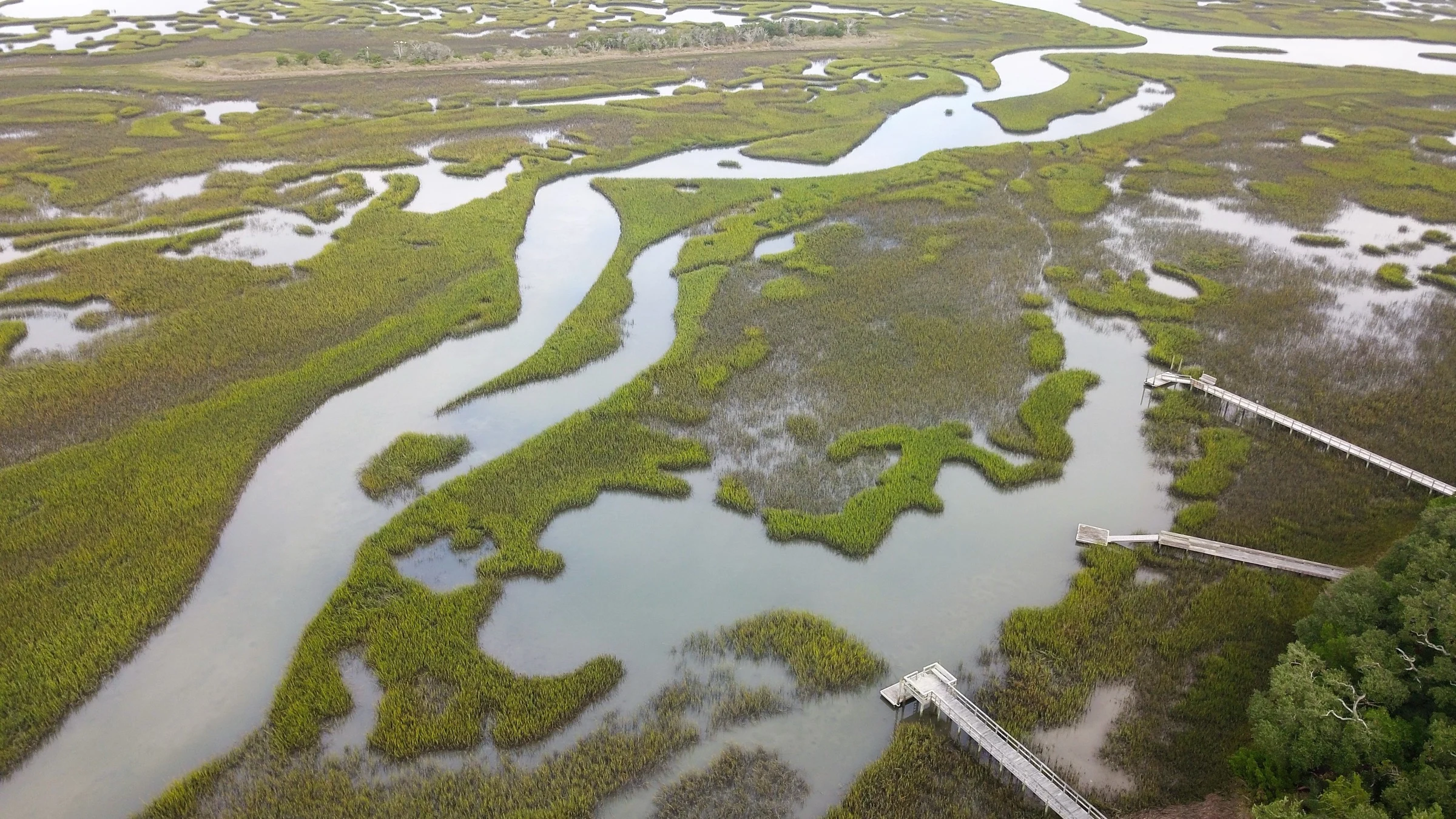
The U.S. Environmental Protection Agency and Army have added new alternatives to their proposed definition of “waters of the United States.” One option would use a 30-day interruption threshold when deciding whether waters and surface connections remain relatively permanent.
The U.S. Environmental Protection Agency and Department of the Army issued a supplemental proposed rule on September 4 seeking comment on additional ways to define federally jurisdictional waters. It supplements, rather than replaces, the agencies’ November 2025 proposal. It is not a final rule.
Among the alternatives is a numerical threshold. “Relatively permanent” waters could be defined as perennial waters, except where flow is interrupted by anomalous events or by a non-anomalous temporary interruption lasting no more than 30 consecutive days in a year. A continuous surface connection could receive a similar exception.
The proposal also asks whether perennial water should mean water standing or flowing every day under ordinary conditions, or surface water flowing continuously year-round. Another alternative would limit adjacent wetlands to those indistinguishably part of a jurisdictional water and remove the separate definition of “adjacent.”
These phrases decide more than vocabulary. They help determine where federal Clean Water Act jurisdiction applies and where protection, permitting or enforcement rests elsewhere.
A numerical threshold offers apparent consistency. Regulated parties, agencies and courts can point to the same number. Yet water does not arrive with an administrative calendar attached.
Many determinations will concern places without continuous gauges. Evidence may come from field indicators, remote sensing, precipitation records, landowner observations, models and historical imagery. A channel might stop flowing because of ordinary seasonal conditions, an unusual drought, a diversion, groundwater pumping or a temporary obstruction. The proposed exception distinguishes anomalous from non-anomalous events, so counting days cannot by itself settle the question.
The year chosen for observation also matters. Thirty consecutive days in a wet year may look different from the same interruption during a prolonged regional dry period. “Ordinary conditions” must carry much of the analytical burden.
This does not make a threshold unusable. It means the rule’s practical clarity will depend on the evidence protocol around it: which records are acceptable, how uncertainty is treated, who must prove an interruption, and how an agency reconstructs conditions when direct observations are incomplete.
The adjacent-wetlands alternative narrows attention to whether a wetland is indistinguishably part of a covered water. That formulation seeks a visible and legally defensible connection. On the ground, berms, culverts, roads, seasonal breaks and altered drainage can complicate what appears continuous.
A jurisdictional line is also not the same as an ecological line. Water and organisms can move through subsurface or intermittent pathways that do not satisfy a legal test. Conversely, deciding that a feature falls outside federal jurisdiction does not necessarily leave it unregulated; state, tribal or local law may still apply. The proposal allocates authority. It does not, by itself, describe the protection every waterbody will receive.
The agencies said the earlier proposal drew more than 220,000 comments. The supplemental notice will receive a further 30-day comment period after publication in the Federal Register. That record should be read for operational evidence, not only legal preference: examples of channels, wetlands and interruptions that reveal whether the alternatives produce repeatable decisions.
For landowners and regulators, clarity is not simply a shorter definition. It is the ability of different qualified people to examine the same facts and reach the same answer without extraordinary delay or expense.
The 30-day option can be tested against that standard. How often is daily flow evidence actually available? What counts as an anomalous event? How will artificial interruptions be handled? Do field offices apply the exception consistently across climates? How does a project proponent obtain a reliable answer before committing capital?
America’s water boundary will remain legally charged whatever wording is chosen. The supplemental proposal’s contribution is to make the competing tests more explicit. Its weakness would be to exchange one ambiguous phrase for a precise-looking number whose supporting evidence remains unsettled.
Take-Out
A 30-day threshold looks administratively crisp, but the jurisdictional work will occur at the edge—where gauges are absent, channels are interrupted, drought is disputed and a wetland's connection must be reconstructed from field evidence.
Questions and answers
What readers should know
- What did the U.S. agencies propose?
- The Environmental Protection Agency and Army added alternatives to their proposed definition of waters of the United States, including a possible 30-day interruption threshold.
- Is the 30-day threshold now law?
- No. It appears in a supplemental proposed rule and remains subject to public comment and further agency decision-making.
- Why may counting dry days be difficult?
- Many locations lack continuous gauges, and an interruption may reflect ordinary seasonality, drought, diversion, pumping or obstruction, each requiring supporting evidence.
- Does exclusion from federal jurisdiction mean no protection applies?
- Not necessarily. State, tribal or local law may still govern a waterbody even when it falls outside the federal Clean Water Act definition.
- What would demonstrate regulatory clarity?
- Different qualified reviewers should be able to examine the same field evidence and reach the same conclusion without extraordinary delay, cost or inconsistent treatment across climates.
Stay in the loop
Keep Mark and Focus in view
Hear about future publications, announcements, and relevant updates from Mark and Focus.