
Mark and Focus analysis
Jordan’s Potash Railway Is Linking Industrial Production With Port Logistics
Read the analysis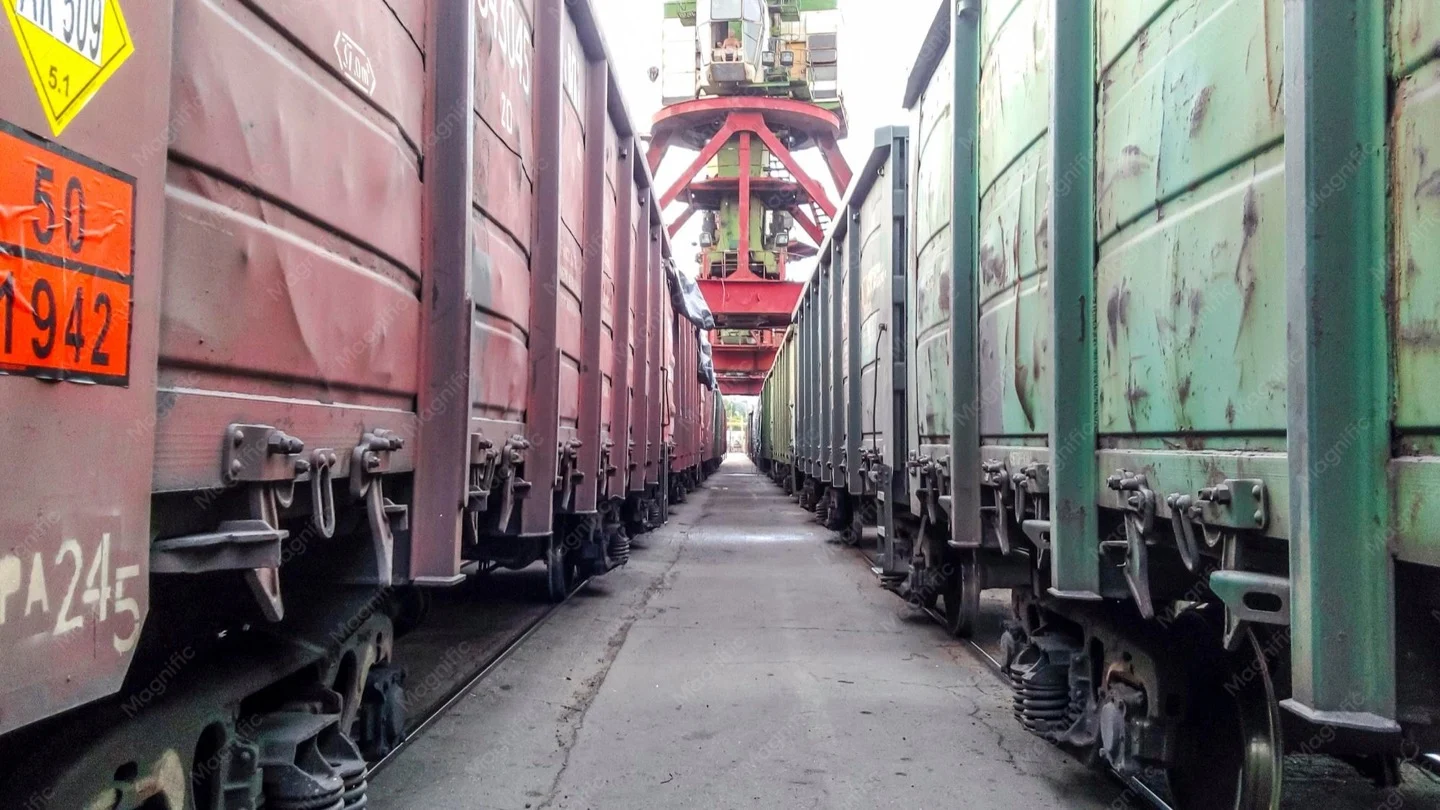
Jordan’s potash railway program links final design and infrastructure delivery with port-management and truck-control operations in Aqaba.
Jordan’s potash railway program is moving from planning into a more concrete delivery sequence. Final designs are being prepared for its third phase, infrastructure work is continuing, and a port-management and truck-control system has entered operation. Together, these steps begin connecting mineral production with the rail and port functions needed to move it efficiently.
Jordan’s Potash Railway and Aqaba Port
The railway is not a stand-alone transport asset. It sits between potash production and Aqaba’s port operations, so its value depends on how well those parts work together. Final design establishes the physical requirements for the next phase, while the continuing infrastructure work turns that design into an operating route.
The port-management and truck-control system adds an operational layer. It can organize the movement of vehicles and cargo around the port while the railway program advances. That matters because new rail capacity will not remove congestion or delays if terminal access and freight handling remain poorly coordinated.
Arab Potash Company therefore has to manage more than construction. It must connect production schedules, rail movement and port handling so that each stage supports the next. The current evidence shows progress in design and control systems, but it does not yet establish the performance of the completed railway.
Coordinating Potash Exports
Jordan’s approach treats industrial logistics as a connected delivery chain. Mineral output can reach export markets reliably only when production, inland transport and port operations have compatible capacity. A weakness at any one point can reduce the value of investment elsewhere in the chain.
The immediate test is whether the third-phase design leads to completed infrastructure that works with the port-control system already in use. Measures such as journey reliability, terminal throughput and reduced truck disruption would show whether the new arrangements are improving movement rather than merely adding assets.
The program is significant because it places physical infrastructure and operating information inside the same logistics model. Its success will be determined by coordinated performance from mine to port, not by completion of a railway segment in isolation.
Take-Out
Jordan must connect completed potash railway infrastructure with Aqaba’s operating controls to create one dependable export-logistics chain.
Questions and answers
What readers should know
- What stage has Jordan’s potash railway reached?
- Final designs are being prepared for the third phase while infrastructure work continues.
- What has Arab Potash Company already put into operation?
- A port-management and truck-control system has entered operation.
- Why must Jordan’s potash railway connect with Aqaba port operations?
- The railway can improve mineral logistics only if rail movement, terminal access and freight handling work together.
Stay in the loop
Keep Mark and Focus in view
Hear about future publications, announcements, and relevant updates from Mark and Focus.