
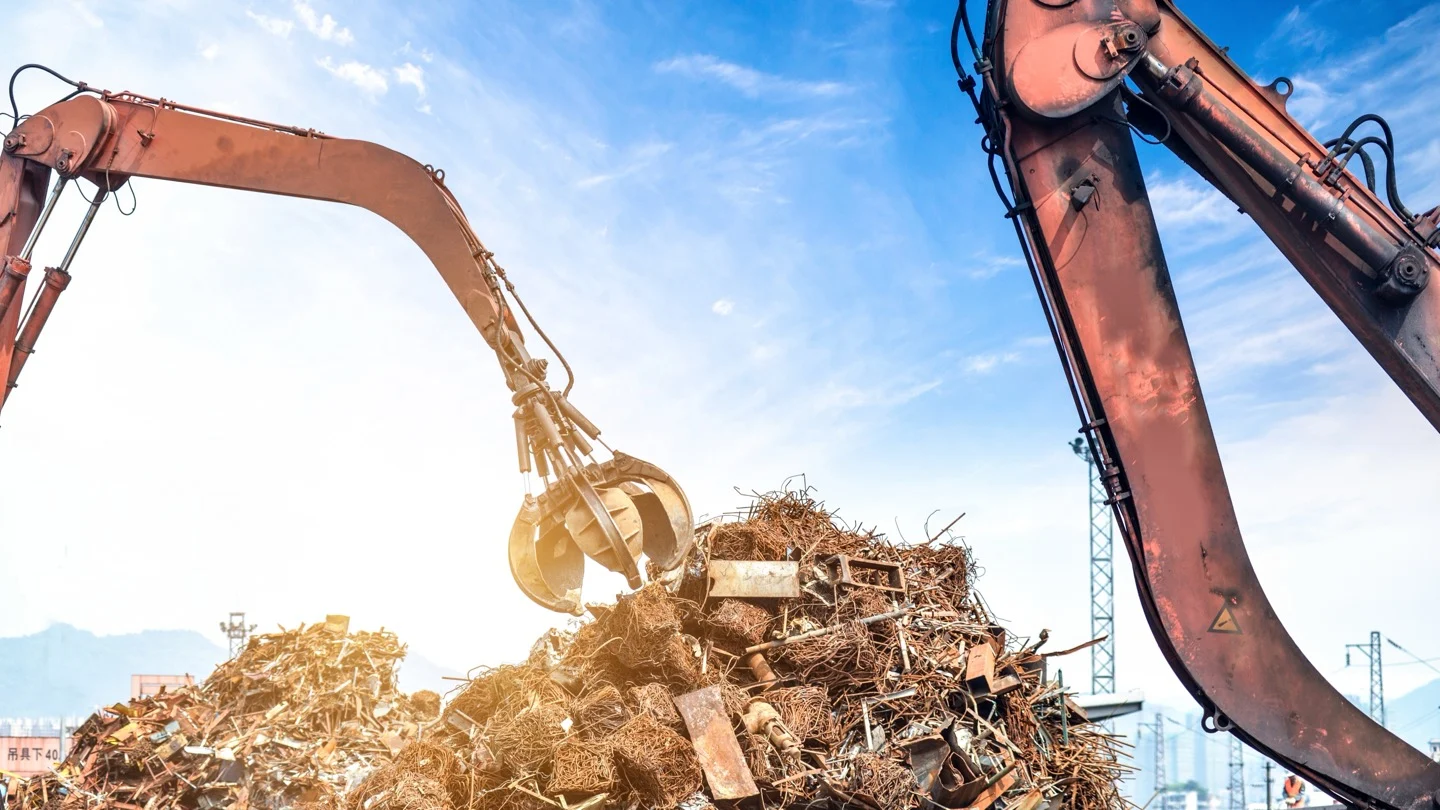
Al Taweelah gives scrap historically exported from the United Arab Emirates a domestic route into recycled aluminum products. Its circular performance depends on suitable feedstock, material quality and the conversion of installed capacity into reliable output.
Scrap availability will determine whether the Al Taweelah recycling plant reaches its intended scale. Emirates Global Aluminium has built operating capacity to process scrap that was historically exported from the United Arab Emirates, but machinery alone cannot close the material loop. The case turns on whether collection and supply can feed a 185,000-tonne annual production system consistently enough for recycled metal to become a dependable domestic industrial input.
Domestic Recycling Capacity
Al Taweelah is an operating aluminum-recycling plant with annual production capacity of 185,000 tonnes. It takes post-consumer and some pre-consumer scrap and produces billets and T-bars sold as RevivAL. That output places recycling inside Emirates Global Aluminium’s product system rather than treating collected metal as a separate waste stream. The plant gives the United Arab Emirates domestic processing capacity for material that was historically exported, changing where value can be recovered from locally generated scrap.
The operating sequence begins with sorting. The system can shred and segregate up to 150,000 tonnes of scrap each year using magnetic, mechanical and x-ray methods. These stages matter because post-consumer material is heterogeneous: unsuitable metals and contaminants must be separated before melting. Sorting capacity is lower than the plant’s stated annual production capacity, so the wider material balance may include pre-sorted feed or other inputs. The published equipment capacities do not quantify that balance.
Domestic processing changes where the chain can be managed. Scrap that previously left the country can now move toward a local industrial product, but the operating record establishes a route rather than a proven volume of recovered material. The distinction matters because installed equipment cannot determine how much suitable scrap is collected or supplied. Reliable operation begins upstream, where the availability and condition of feedstock govern what the plant can process.
From Scrap to RevivAL
After sorting, recycled metal is melted and transferred to holding furnaces. There it is blended with primary aluminum and adjusted to the required chemistry before casting. This integration is commercially important: recycled content must meet product specifications, not merely be melted. The nearby primary operation can support blending and casting, allowing recovered metal to enter products with controlled composition. The process therefore links material recovery, metallurgical control and existing industrial infrastructure.
The resulting billets and T-bars are marketed under the RevivAL name. The label identifies a product route, while the implementation test remains physical: suitable scrap must arrive, be separated, melted, blended and cast at reliable quality. Emirates Global Aluminium expected ramp-up to full production to depend on scrap availability. That constraint places collection and supply coordination upstream of the plant’s technical performance.
Quality control connects each stage of the implementation chain. Sorting determines which material reaches melting, while blending and chemistry adjustment determine whether recycled metal can enter specified products. A weakness upstream therefore carries forward: inconsistent feedstock can limit processing even when downstream casting capacity is available. The plant’s integration with primary aluminum provides a route for adjustment, but dependable circular output still requires suitable inputs to arrive repeatedly.
Industrial Integration
Domestic recycling changes the United Arab Emirates aluminum system in two ways. First, it creates a local destination for scrap that was historically exported, retaining processing activity within the country. Second, it connects that recovered metal to an established primary-aluminum platform that can manage chemistry and casting. The facility is therefore more than a standalone recycler: it is an industrial interface between post-use material flows and products that must meet controlled specifications.
Capacity figures reveal where the operating questions sit. The plant can produce 185,000 tonnes annually, while its sorting system can handle up to 150,000 tonnes. Neither figure establishes actual throughput. Performance will depend on the volume and quality of suitable scrap, utilization of each processing stage and the ability to balance recycled and primary metal for customer requirements. Reporting actual input, yield and output would show whether nominal capacity is becoming a stable circular supply chain.
The Feedstock Test
The feedstock constraint also reaches beyond Emirates Global Aluminium. Collectors, scrap suppliers and industrial users influence whether recoverable aluminum reaches Al Taweelah in a usable form. Better segregation upstream can reduce processing burdens; dependable purchase and quality arrangements can make supply more predictable. The company has not publicly defined those market mechanisms, so their effectiveness remains an implementation question rather than a demonstrated result.
Al Taweelah should ultimately be assessed as a material-flow system. The relevant measures are suitable scrap secured, usable recycled metal produced, quality achieved and displacement of exported scrap processing. Installed plant capacity is necessary, but circularity is demonstrated only when material moves through the full chain repeatedly. The operating asset establishes a credible domestic route; feedstock availability will determine whether that route becomes dependable industrial infrastructure.
Take-Out
Emirates Global Aluminium must secure suitable scrap and track usable recycled output before Al Taweelah’s installed capacity can demonstrate a dependable domestic material loop.
Questions and answers
What readers should know
- What does Emirates Global Aluminium produce at Al Taweelah?
- The plant processes post-consumer and some pre-consumer scrap into billets and T-bars marketed as RevivAL.
- How does Al Taweelah sort aluminum scrap?
- Its system uses magnetic, mechanical and x-ray segregation for up to 150,000 tonnes of scrap per year.
- What limits Emirates Global Aluminium’s Al Taweelah ramp-up?
- Full production ramp-up remains dependent on the availability of suitable aluminum scrap.
Stay in the loop
Keep Mark and Focus in view
Hear about future publications, announcements, and relevant updates from Mark and Focus.