
Mark and Focus analysis
UNDP Climate Investments Connect Water Infrastructure With Local Resilience
Read the analysis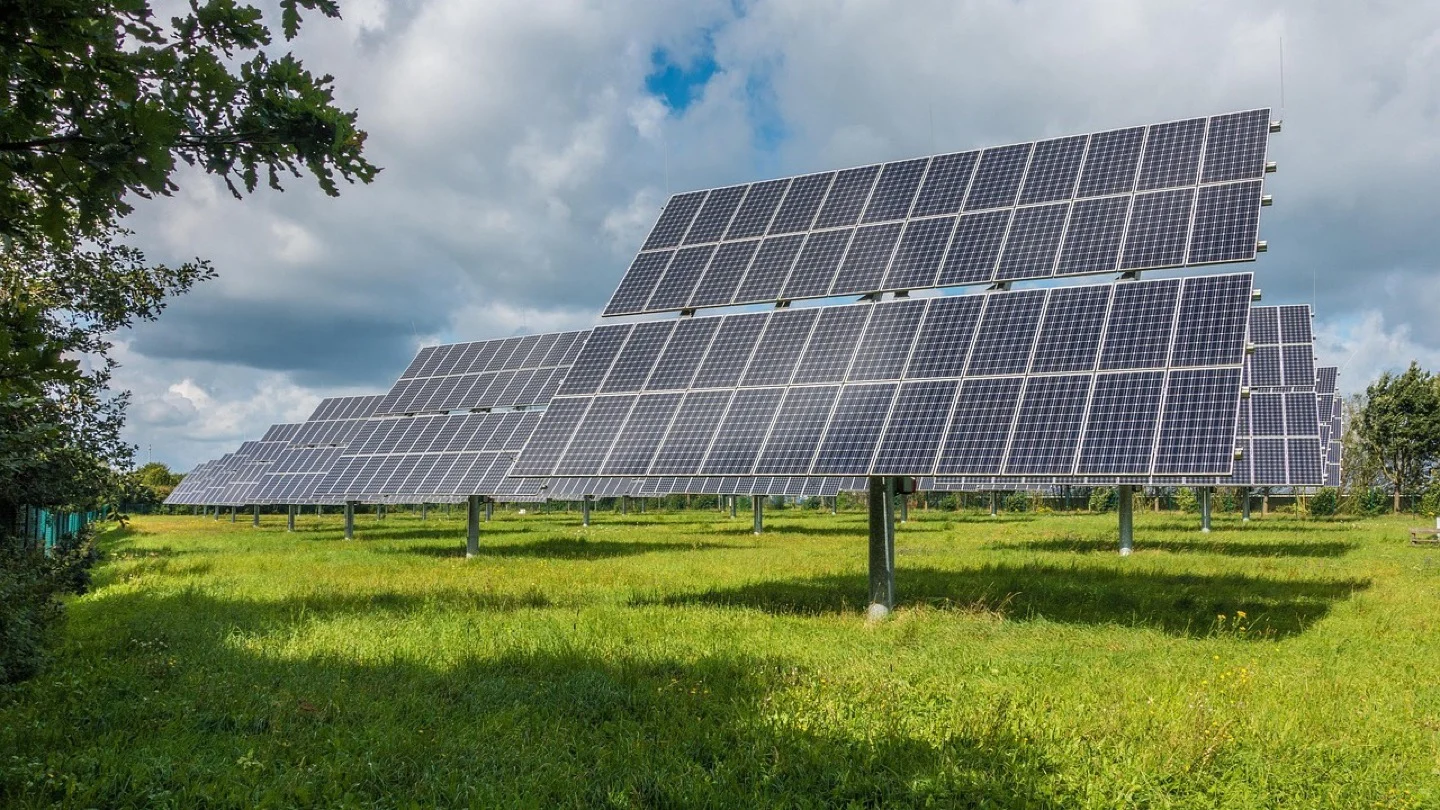
UNDP initiatives across Somalia and Sudan connect water assets, solar pumping, monitoring and early warning with locally operated climate resilience.
UNDP’s climate work across Arab States shows resilience being built through practical water infrastructure, monitoring and early warning. The initiatives differ by country and lifecycle stage. Together, they show that adaptation depends on institutions connecting physical assets with local operation and risk information rather than treating climate resilience as one regional program.
Water and Early-Warning Investments Across Arab States
UNDP reported several country initiatives for World Environment Day 2026. In Somalia, two completed solar-powered boreholes in Awrboogays and Bacadweyn now provide safe drinking water to more than 23,000 people. A separate national multi-hazard early-warning initiative aims to reduce disaster-related fatalities by 42 percent by the end of its project cycle in 2030.
In Sudan, recovery work in the Arbaat wellfield included 15 boreholes drilled or rehabilitated, 17 kilometers of pipeline and 10 flowmeters. The boreholes use solar-powered pumps to reduce dependence on fuel and unreliable grid electricity. Across Sudan, UNDP also reported 290 drinking-water projects underway or complete, together with 49 irrigation projects and 28 canals.
How Water Assets and Risk Information Build Resilience
The physical measures address different points in water delivery. Boreholes create or restore access to a source. Pipelines reconnect that water with transmission systems, while flowmeters provide information for distribution management. Solar pumping reduces one operating dependency by allowing supply to continue during power interruptions and lowering reliance on fuel.
Early warning works through a different mechanism. It must connect risk information with institutions and communities able to act before a hazard becomes a disaster. The Somali target concerns future reductions in fatalities, not an outcome already achieved. Measuring progress therefore requires evidence that warning coverage, communication and response capability are functioning together before 2030.
Local institutions are central to both models. Community handover affects whether boreholes remain maintained and accessible. Water authorities need the operational capacity to use flow data and manage networks. Disaster-management institutions must translate warnings into decisions. UNDP and funding partners can support assets and programs, but resilience depends on the bodies that operate them after installation or launch.
Keeping Delivered Assets Separate From Future Targets
The country examples make climate adaptation more concrete. They connect resilience with safe water, dependable pumping, monitored distribution and timely warnings. Those capabilities can reduce exposure to drought, infrastructure failure and extreme weather, but the evidence must remain specific to each intervention rather than being presented as one uniform regional result.
Lifecycle precision is especially important. The Somali boreholes are reported as completed and handed over, while the early-warning fatality reduction remains a target. Sudan’s portfolio combines projects already complete with others still underway. Keeping these states separate makes it possible to distinguish delivered assets from anticipated resilience.
The wider significance lies in the operating chain behind each investment. Climate finance becomes useful when infrastructure works, information reaches decision makers and responsible institutions maintain the service. The regional portfolio is strongest where later reporting can connect those delivery conditions with observed performance.
Take-Out
UNDP and local institutions must connect water assets, risk information and operating responsibility before separate climate investments can provide durable resilience.
Questions and answers
What readers should know
- How many people does the United Nations Development Programme say the completed Somali boreholes serve?
- UNDP reports that the two boreholes provide safe drinking water to more than 23,000 people.
- What target does the United Nations Development Programme report for Somalia’s early-warning initiative?
- It aims to reduce disaster-related fatalities by 42 percent by 2030.
- What Arbaat wellfield work does the United Nations Development Programme report in Sudan?
- The work included 15 boreholes, 17 kilometers of pipeline and 10 flowmeters.
- Does the United Nations Development Programme report that all Sudanese water projects are complete?
- No. UNDP describes the 290 drinking-water projects as underway or already complete.
Stay in the loop
Keep Mark and Focus in view
Hear about future publications, announcements, and relevant updates from Mark and Focus.