
Mark and Focus analysis
Poland Sets Rules for Biomethane Auctions and Direct Pipelines
Read the analysis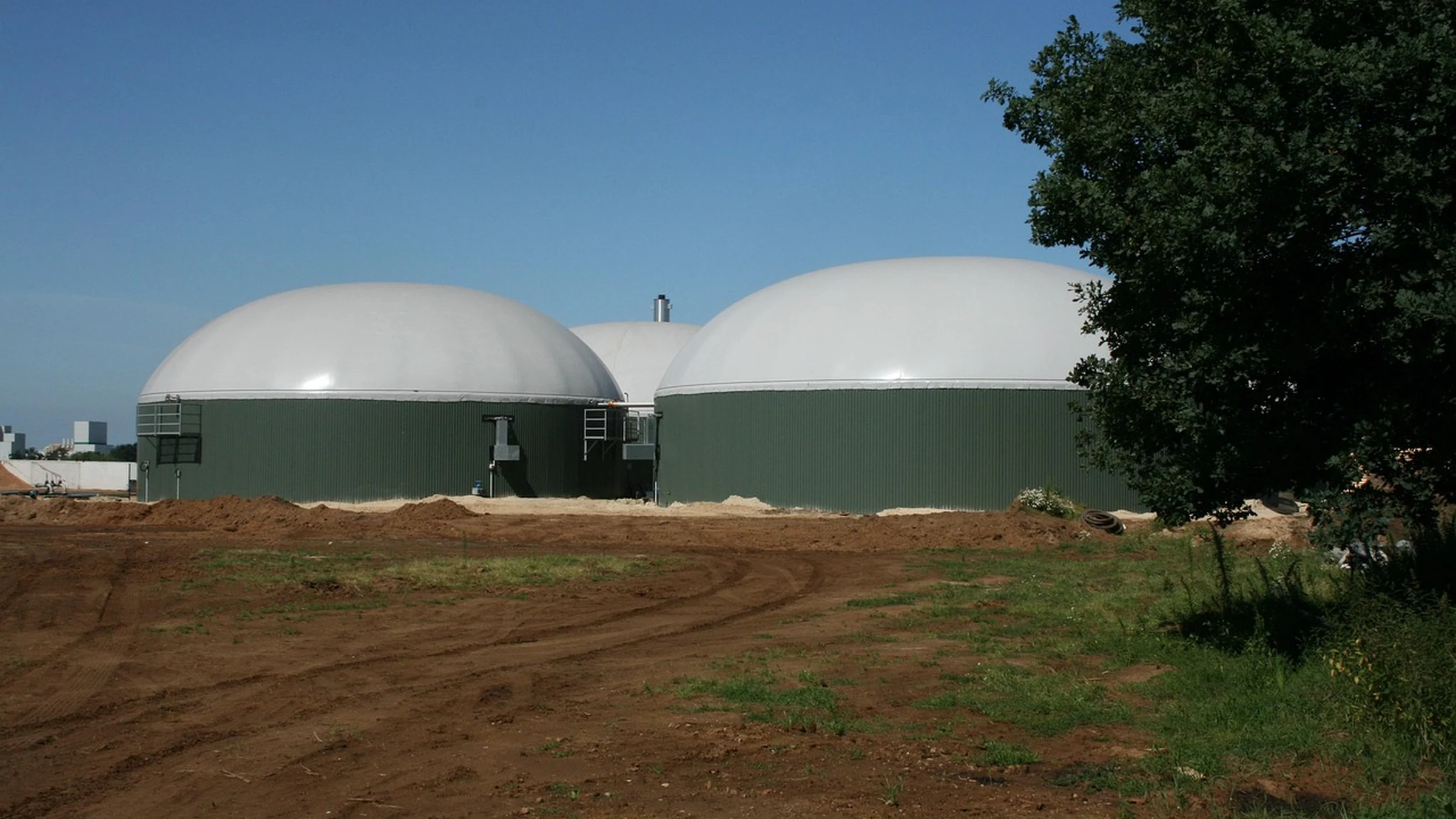
Poland’s amended renewable energy law creates a competitive support route for larger biomethane plants and sets rules for direct gas pipelines. The changes address two decisions a developer has to make: how to finance production and where the gas will go.
A project that upgrades biogas into biomethane needs somewhere to send it before it can earn revenue from production. Poland’s renewable energy amendments, published on October 16, deal with the commercial and physical sides of that problem. They introduce biomethane auctions for larger plants and set rules for pipes that can carry renewable gas directly from a producer to a customer. The two provisions sit in the same law, but they do different jobs.
What the Auction Buys
Biogas made by breaking down organic material contains methane alongside carbon dioxide and other constituents. Upgrading increases the methane concentration and removes impurities to produce biomethane. A project designed to sell this gas has different equipment and revenue needs from a digester that burns its gas on site for heat or electricity. The law introduces a competitive support route alongside the existing statutory support route. The climate ministry describes the reform as aimed at plants above 1 MW. The enacted text sets separate auction categories below 2 MW and at or above 2 MW and specifies conditions for gas quality, equipment and network delivery. A project needs to check the actual eligibility rules, rather than treat the ministry’s headline threshold as a complete test.
The regulator’s auction gives eligible producers a way to offer a volume at a bid price. The new provisions also provide for a ceiling on the quantity that can be sold through auctions. That makes eligibility a first step: a plant that qualifies has not thereby secured a winning bid, and a legal provision for an auction does not establish the date or volume of a particular round. The distinction is important when estimating how much of a project’s prospective revenue can support construction borrowing.
What a Direct Pipe Can Solve
A direct pipeline connects a producer with a customer without using the general gas network to carry the gas between them. The Polish amendments set rules for such lines carrying biogas, agricultural biogas or biomethane. These categories matter because gas going directly to a customer and biomethane entering a public network may be subject to different delivery conditions. A nearby customer can make a direct line a practical option when a network connection is distant or unsuitable. The pipe still has to reach a customer whose equipment can take the gas and whose demand supports the project.
Developers cannot assume that a direct line qualifies the volumes it carries for a biomethane auction. The auction provisions concern qualifying biomethane introduced into the gas network and sold, with quantities tracked for settlement. A developer assessing a direct line therefore needs to compare that option on its own commercial terms. The law can enable another route to market without making the two routes interchangeable for support.
When the Changes Matter
The published law lists December 1, 2026 as its main entry date, with exceptions for specified provisions. The provisions governing biomethane auctions covered by the statutory exception take effect on February 17, 2027. That date brings the relevant rules into force. It does not tell producers when the first auction will take place or what price the competition will establish. Network access, the auction notice and a credible construction timetable remain separate pieces of evidence.
For a proposed plant, the first decision is where the gas can physically go and on what terms. A network route needs a credible connection and confirmation of how delivered quantities will be measured. A direct route needs a viable buyer and line. Once that choice is clear, a developer can estimate revenue using the support rules that apply to that route, rather than including a subsidy in the model before establishing that the gas will reach an eligible delivery point.
Take-Out
An auction can improve the revenue case for eligible production. A direct pipeline can give gas a route to a customer. Developers need to establish which delivery route qualifies for the support they intend to seek.
Questions and answers
What readers should know
- Which plants are the auctions aimed at?
- The ministry describes the reform as aimed at larger plants. The enacted law sets auction categories below 2 MW and at or above 2 MW, and applies additional eligibility rules.
- Is raw biogas the same product as biomethane?
- No. Biomethane is produced by upgrading biogas to raise its methane concentration and remove impurities.
- What does a direct pipeline change?
- It gives a producer a way to deliver renewable gas to a customer without routing it through the general gas network.
- Can a direct line be assumed to qualify for auction support?
- No. The auction provisions refer to qualifying biomethane introduced into the gas network and sold.
- When do the specified auction provisions take effect?
- February 17, 2027. The date is distinct from the scheduling of a particular auction.
Stay in the loop
Keep Mark and Focus in view
Hear about future publications, announcements, and relevant updates from Mark and Focus.