
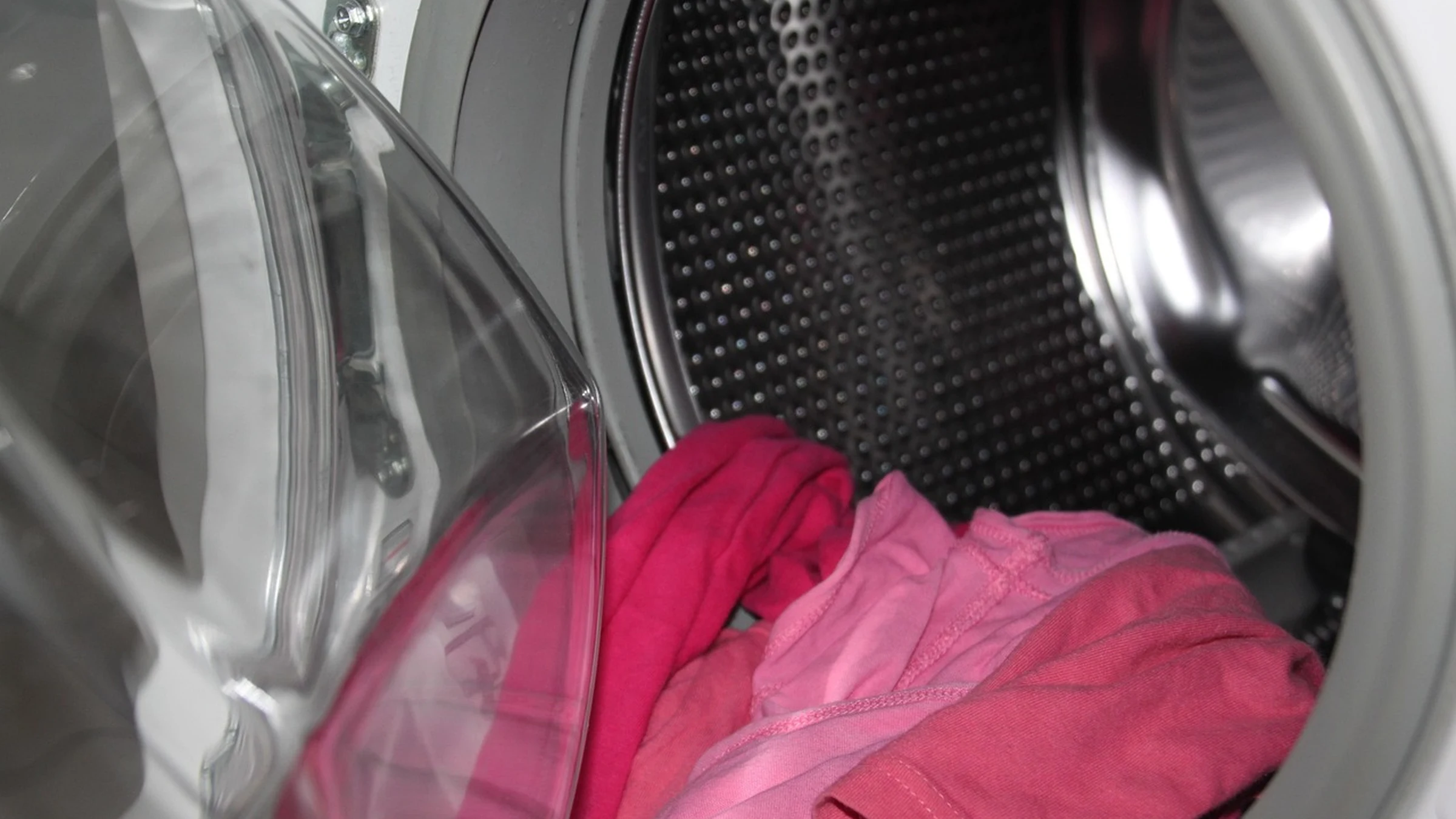
Singapore proposes replacing multiple energy-efficiency ticks with two label tiers while extending regulation to selected fans, washing machines and dishwashers. The consultation separates the minimum performance needed to enter the market from recognition for higher efficiency.
Singapore energy labels could move from a multiple-tick rating to two tiers under a National Environment Agency consultation opened on October 21, 2026. NEA is also proposing minimum performance standards and mandatory labels for selected household fans, washing machines and dishwashers. Feedback closes on November 9; implementation is intended by 2028, subject to consultation.
The proposal responds to a specific effect of earlier regulation. As minimum standards have tightened, less efficient products have left the market and the efficiency range for several product groups has narrowed. A label designed to distinguish products therefore needs to remain legible as the underlying market changes.
The Sales Floor and the Consumer Signal
Minimum Energy Performance Standards determine which regulated goods may be supplied. The Mandatory Energy Labelling Scheme helps customers compare the products that remain available. The two controls reinforce each other, but they make different decisions: one governs entry to the market, while the other makes performance visible at purchase.
NEA’s existing registration system gives these requirements an administrative route. Suppliers must register both themselves and regulated products before supplying them. Consumers are directed to the database of registered goods. The proposed label redesign would sit within that regulated market, rather than replace the obligation to demonstrate compliance.
Under the proposal, products would carry either an Energy Label or an Energy Label with a High Energy Efficiency Mark. The higher mark would distinguish performance above the prevailing minimum requirements. A product without that higher mark would not automatically be unregulated or unlawful; it could occupy the basic compliant tier.
A Badge Cannot Explain Every Difference
The proposed labels retain annual energy consumption, estimated annual energy cost and product information, with a product-specific QR code providing additional information electronically. These details preserve a way to compare models even where the prominent label has only two classifications.
For buyers, the distinction is practical. A high-efficiency mark communicates a threshold achievement, while the consumption figure describes the energy associated with a particular model under the assessment conditions. Looking at both avoids expecting a single badge to answer every question about capacity, running cost or household use.
NEA says the higher-efficiency thresholds would take account of lifecycle costs, the availability of more efficient models and technological and market developments. This makes the boundary between the tiers a substantive regulatory choice. It must reward improvement without making the upper tier depend on products that are barely available.
Different Appliances Need Different Tests
The proposed expansion also shows why one visual label cannot mean one universal engineering measure. Fans are assessed through an efficiency index using service value and blade diameter. Washing machines are assessed through energy use per unit of capacity. Dishwashers use an energy-efficiency index linked to program consumption and reference consumption.
Those measures relate performance to the function being provided. Comparing raw electricity use alone could favor a smaller or less capable appliance without showing whether it performs its intended task efficiently. Product-specific tests give the common label a technical basis appropriate to each category.
The consultation defines boundaries as well as additions, including covered fan types and washing-machine capacities. These boundaries matter to suppliers because an appliance category in everyday language can be wider than the equipment covered by a regulation.
NEA will set out transition arrangements and timing after considering feedback. The current decision is therefore about the proposed rules and their design. Evaluating the change means asking whether the two tiers remain backed by credible tests, clear product coverage and accessible model information as the market improves.
Take-Out
A simpler label still needs a demanding, intelligible test behind it. The basic tier governs market entry; the higher mark helps distinguish better performance, while annual consumption and cost figures preserve a comparison beyond the badge.
Questions and answers
What readers should know
- What is proposed?
- Two energy-label tiers and an extension of MEPS and MELS to selected fans, washing machines and dishwashers.
- How do MEPS and MELS differ?
- MEPS sets minimum performance for market entry; MELS communicates efficiency to purchasers.
- Would the basic tier mean noncompliance?
- No. It would identify a regulated product without the proposed higher-efficiency mark.
- What comparison information would remain?
- Annual energy consumption, estimated annual energy cost, product information and a product-specific QR code.
- When would the changes take effect?
- NEA intends implementation by 2028, subject to consultation, with transition details to follow.
Stay in the loop
Keep Mark and Focus in view
Hear about future publications, announcements, and relevant updates from Mark and Focus.