
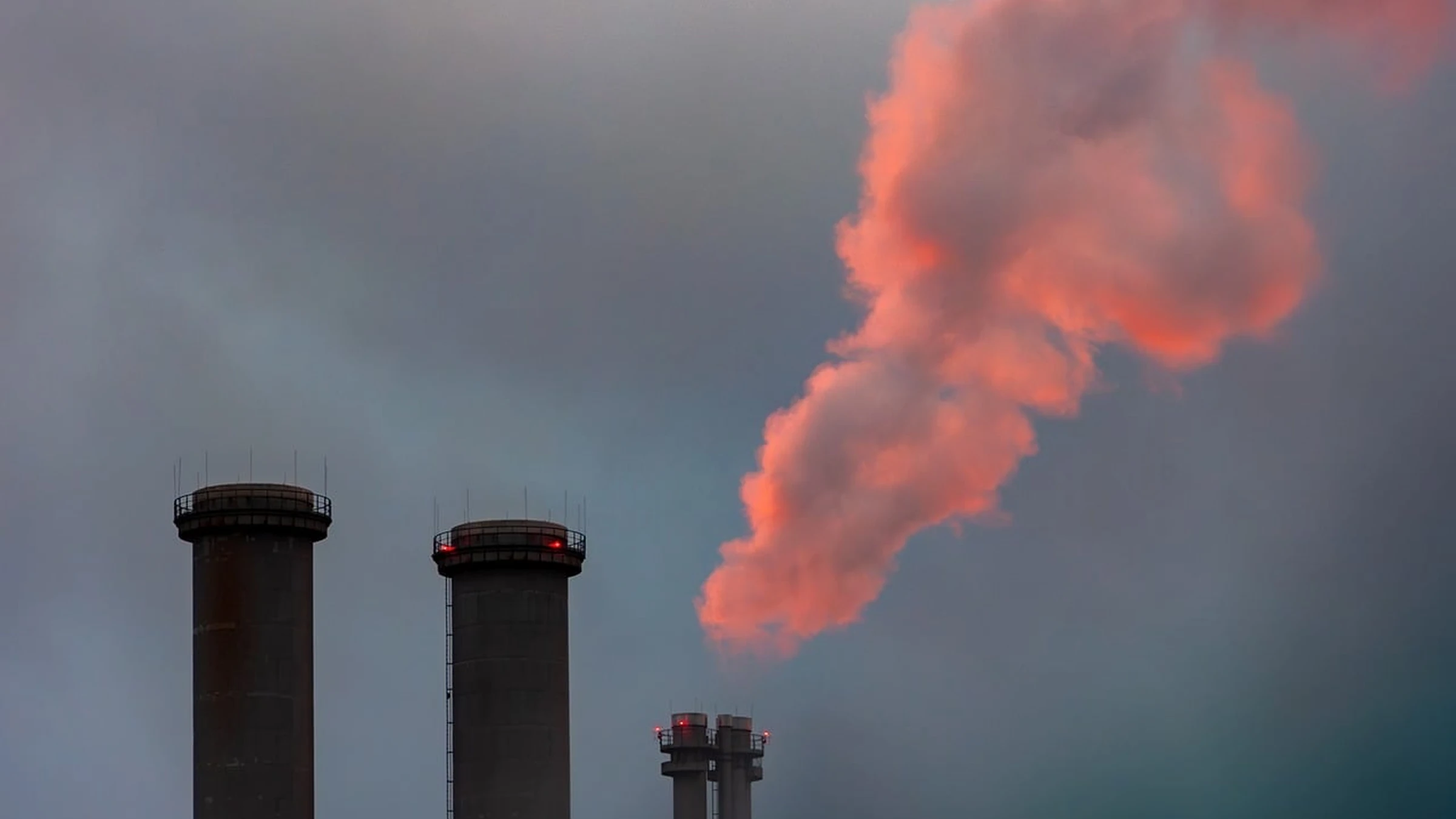
Taiwan’s carbon fee committee has requested more evidence before deciding whether rates should change. The review separates the general charge, preferential rates and investment commitments, with no agreement reached at the November 2 meeting.
Taiwan’s carbon fee review has reached a request for further evidence rather than a new rate decision. At its November 2, 2026 meeting, the review committee considered three options: leave rates unchanged, change only the general rate, or change general and preferential rates together. Distinct questions about incentives, investment and implementation sit behind those choices.
Has Taiwan Decided to Raise the Fee?
No consensus was reached at the meeting. The Ministry of Environment was asked to bring additional material for further consideration. Treating discussion of a higher rate as an adopted increase would obscure the decision that remains open.
For businesses, the distinction affects planning. A potential change can be included in an investment assessment as a scenario, but it should not be presented as an announced future charge. Comparing the options explicitly is more informative than choosing one before the committee has completed its review.
Why Are There Different Rates?
The existing system has a general rate of NT$300 per metric ton of carbon dioxide equivalent and preferential rates of NT$100 and NT$50. The preferential routes connect lower charges with approved reduction plans and designated targets. The Climate Change Administration describes measures including efficiency improvements, renewable energy and changes to processes or fuels as routes through which businesses can seek approval.
The design creates two decisions for an emitter: whether to enter a qualifying plan and whether to carry out its commitments. A difference between the general and preferential charges can encourage entry. The credibility of the lower charge then depends on how the plan’s implementation is assessed.
What Would the Three Options Change?
Keeping the rates unchanged would preserve the current charge structure while businesses continue their planned investments. Committee discussion raised concerns about operating burdens, competitiveness and existing investment commitments.
Raising only the general rate would increase the difference facing businesses outside an approved plan while retaining the preferential charges. Raising both general and preferential rates would strengthen the price applied across the covered groups. Neither choice can be judged solely by the number of facilities that have submitted plans: entry and delivery are different responses to the incentive.
The policy question is therefore specific. How should the charge encourage additional action while accounting for investments already being implemented? The review needs evidence that distinguishes a business responding to a price signal from one receiving a lower rate without delivering the expected changes.
What Does the First Payment Round Establish?
The Climate Change Administration reported full first-round payment by 461 facilities, totaling NT$4.97 billion. Its payment account identifies 64 facilities under the NT$50 preferential route and 338 under the NT$100 route. Those records establish participation in collection and the distribution of preferential rates.
Payment completion does not, by itself, establish the emissions result of the associated plans. The November review separately reported projected reductions and planned investment under approved plans. Those are forward-looking commitments. An assessment of actual performance needs to follow the measures into operation and examine the reductions they produce.
Which Evidence Must Come Next?
The committee requested assessments of economic, industry and household-price effects under the different options. It also asked for further material on the phased adjustment of carbon-leakage risk coefficients, implementation checks for reduction plans and possible reference indicators for future rate increases.
These requests connect the rate decision with both its distributional effects and its environmental purpose. An industry-wide cost estimate cannot replace evidence about implementation at covered facilities. Equally, a promising reduction plan cannot answer how a rate change affects other businesses or prices paid by households.
The strongest next decision will show how those different findings support the chosen path. Readers should be able to see why that option was selected, which effects were assessed and how the implementation record influenced the judgment.
Take-Out
The fee review must compare the incentive to enter a reduction plan with the incentive to deliver it. Approved investment and projected reductions need their own implementation evidence before they justify a particular rate path.
Questions and answers
What readers should know
- Did the committee agree to an increase?
- No. Its November 2 meeting requested further evidence and continued consideration.
- Which rates currently apply?
- The system has a general rate of NT$300 and preferential rates of NT$100 and NT$50 per metric ton of carbon dioxide equivalent.
- How many facilities completed first-round payment?
- The Climate Change Administration reported payment by all 461 covered facilities.
- Are planned reductions already achieved?
- No. Projected reductions and planned investment need to be distinguished from implementation and measured results.
- What evidence did the committee request?
- It requested impact assessments, material on carbon-leakage coefficients, reduction-plan checks and possible indicators for future increases.
Stay in the loop
Keep Mark and Focus in view
Hear about future publications, announcements, and relevant updates from Mark and Focus.