
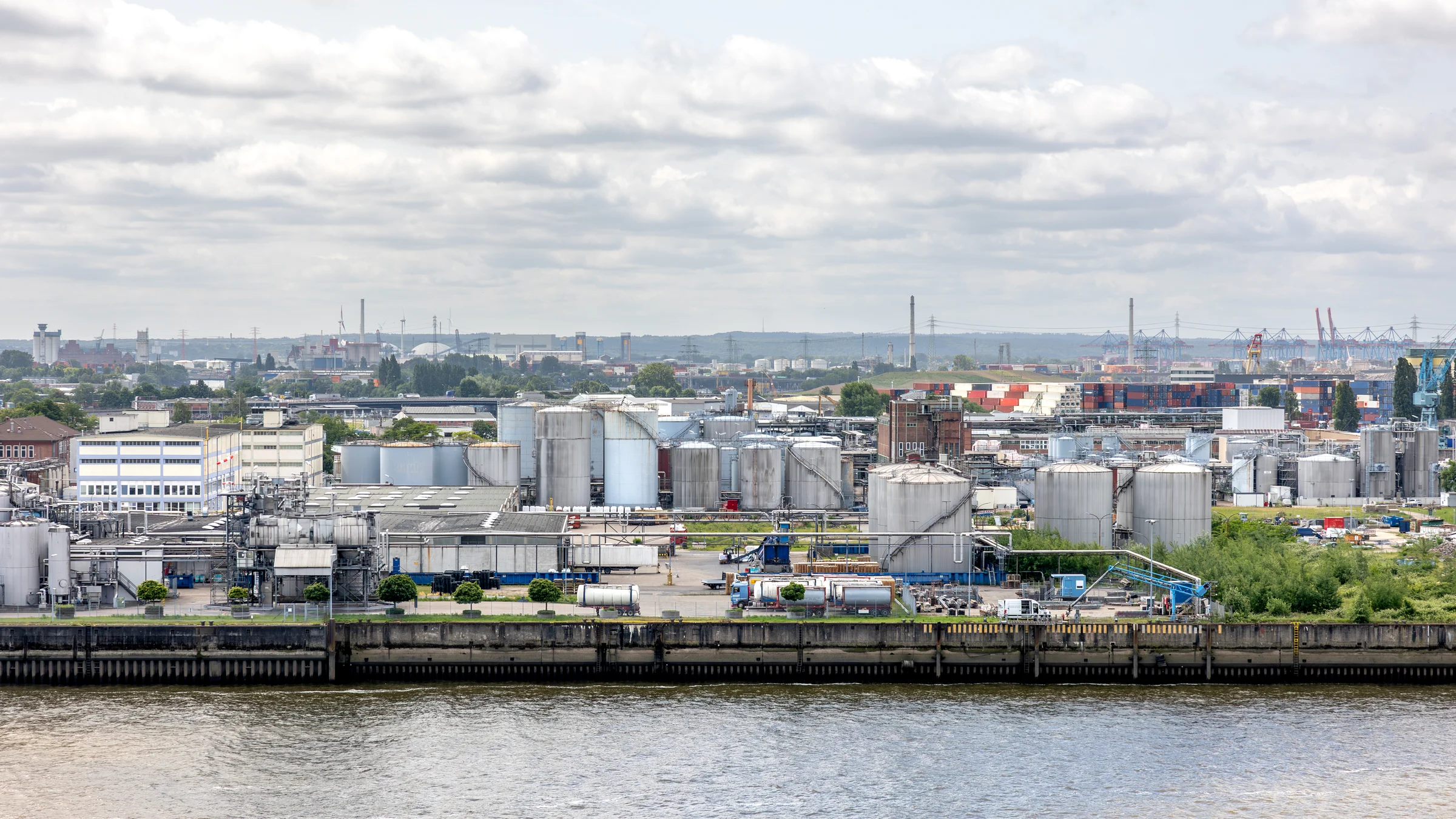
From January 2027, Polish power and heat plants may use reclaimed municipal wastewater for cooling under a water-permit regime, creating a new operational link between treatment plants, energy assets and drought resilience.
Poland has changed its Water Law so that power stations and combined heat-and-power plants can use reclaimed municipal wastewater in cooling systems from 1 January 2027. The measure creates a legal alternative to drawing freshwater from rivers, reservoirs or groundwater when hydrological conditions are tight.
Cooling is an essential but often overlooked part of thermal electricity and heat production. A plant may have fuel, generating equipment and grid access yet still face an operating constraint if it cannot obtain or discharge water within environmental limits. Reclaimed water offers another source, but the law does not make it available merely by renaming treated effluent.
The new route requires a water permit. The reclaimed water must meet quality requirements for treated wastewater discharged to water or land, and the permit application must include consent from the water and wastewater company operating the treatment plant from which the water will be taken. These conditions recognize that the resource begins inside another public service.
A legal category creates a possible supply, not a dependable one
Municipal effluent is comparatively steady because it follows household and commercial water use. Its volume, quality and location nevertheless vary. A power plant must know how much is available at the hours and seasons when cooling demand is highest, whether treatment can consistently meet the required standard, and what happens when the wastewater operator needs to protect its own process.
Distance is a decisive cost. A suitable flow at a distant treatment plant may require pipelines, pumping, storage and backup arrangements whose capital and energy use outweigh the benefit. Existing plants also have cooling systems designed around particular water chemistry. Additional treatment may be needed to control corrosion, scaling, biological growth or contaminants that affect equipment.
The law opens the transaction. Utilities and generators must now make it technically and commercially reliable.
Two regulated services have to share one operating agreement
The consent requirement gives the wastewater operator a formal place in the arrangement. That matters because selling or transferring reclaimed water changes its responsibilities. The operator must continue to meet wastewater obligations while supplying another critical asset with a predictable quantity and quality.
A robust agreement should define minimum and maximum flows, quality parameters, sampling points, data access, interruption rights and liability. It should specify which party funds additional treatment and conveyance, who owns the new assets, and how costs change if energy demand or wastewater volumes depart from forecast.
Emergency rules deserve particular attention. During drought, reclaimed water may become more valuable to the power plant at the same time that the wider water system is under stress. During a treatment failure, public-health and environmental protection must take precedence even if generation is affected. Those priorities need to be decided before an incident.
Measurement arrives later than permission
The amendment also moves the deadline for certain water users to install specified measurement systems to 1 January 2030. The extension gives organizations more time to prepare, but it creates an awkward sequence: reclaimed-water cooling can begin in 2027 while parts of the broader measurement regime continue to rely on existing declarations.
Projects can close that gap contractually. Flow, temperature and quality should be measured at the transfer point from the outset, with records available to the permit authority and both operators. Without project-level measurement, freshwater savings may be estimated from contracted volume rather than demonstrated use. It would also be harder to identify losses, interruptions or changes in thermal discharge.
The resilience claim must be tested at plant level
Polish authorities describe the change as a contribution to water protection, energy security and climate resilience. The mechanism is credible: each cubic meter of reclaimed water that safely replaces freshwater can reduce pressure on natural sources. But national permission does not establish how many plants are technically suitable or how much freshwater will be displaced.
The next evidence should come from individual schemes. Useful records would include available reclaimed flow, additional treatment, pipeline distance, energy used in conveyance, freshwater displaced, cooling reliability, permit compliance and the response during low-water periods. Those measures can distinguish a resilient supply from a project that transfers cost or environmental pressure elsewhere.
Poland has made circular water use legally possible in a sector where water availability can constrain essential services. Its success will depend on the quality of the connection between two infrastructures that have traditionally been planned separately. The legal amendment opens the gate; operating agreements and measured performance will determine what passes through it.
Take-Out
Poland has removed a legal barrier to reclaimed-water cooling; dependable energy resilience will require treatment quality, transport, contracts, measurement and drought operating rules to work as one service chain.
Questions and answers
What readers should know
- What changes on 1 January 2027?
- Polish power stations and combined heat-and-power plants may use reclaimed municipal wastewater in technological processes, especially cooling.
- Is any treated wastewater automatically eligible?
- No. Use requires a water permit and compliance with applicable treated-wastewater quality requirements.
- Why must the wastewater utility consent?
- It operates the treatment plant supplying the reclaimed water and must protect its own service and compliance obligations.
- What infrastructure may still be required?
- Additional treatment, pipelines, pumping, storage, metering and backup supply may be needed for a dependable cooling service.
- What should demonstrate success?
- Measured freshwater displacement and reliable cooling without deterioration in treatment performance, environmental compliance or overall energy use.
Stay in the loop
Keep Mark and Focus in view
Hear about future publications, announcements, and relevant updates from Mark and Focus.