
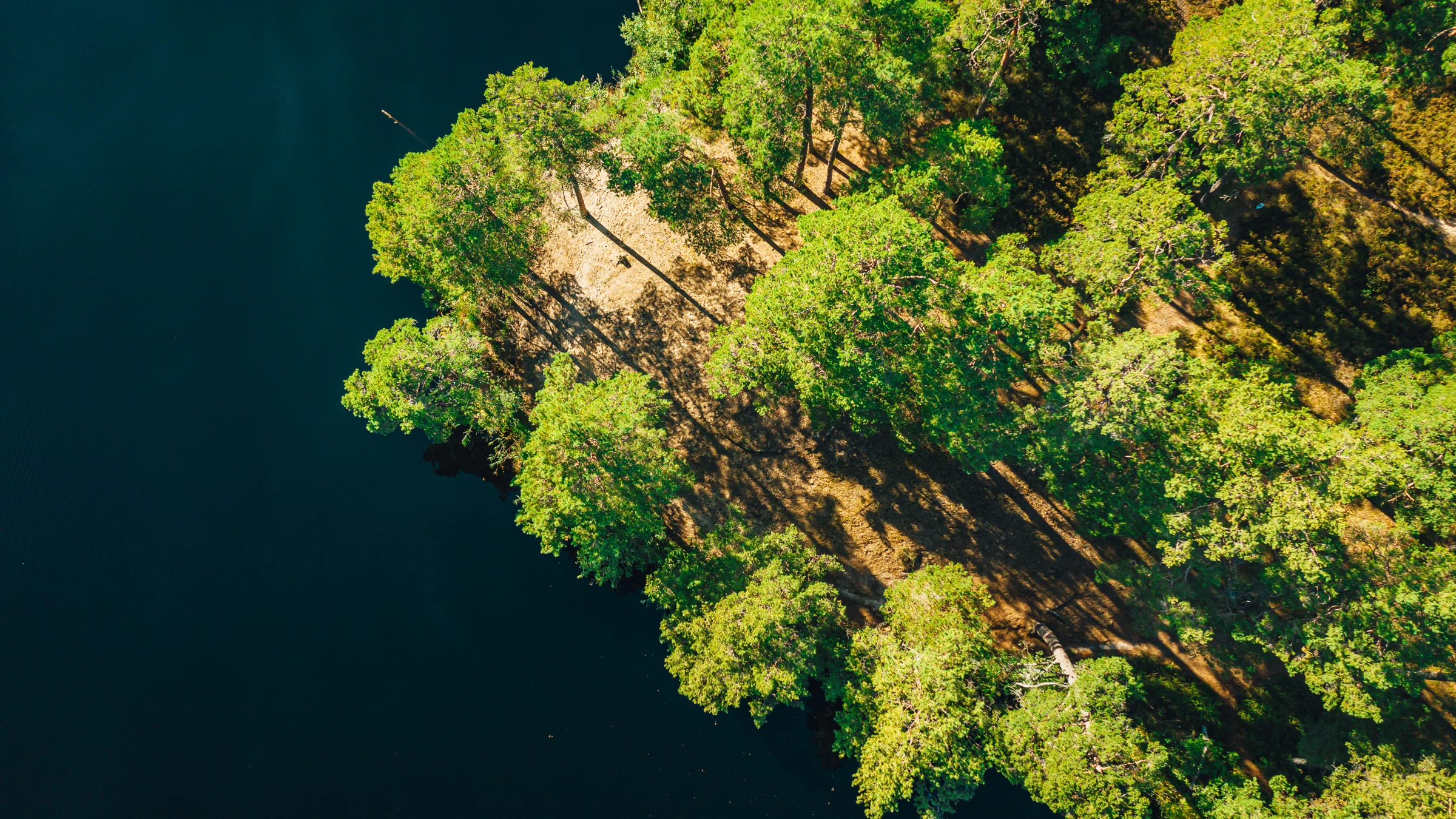
Construction is complete on the A$174 million Manton Dam return-to-service project, which will add 7,300 megaliters a year to Darwin's supply. Commissioning must now connect a refurbished wartime reservoir, a new treatment plant, and a 22-kilometer pipeline without confusing completion with dependable service.
Manton Dam was built in the early 1940s, served as Darwin’s main water source, and then spent more than half a century outside the operating supply system. Its return shows how an old asset can bridge the gap between a city’s immediate constraint and a much larger future investment.
On 28 August, the Australian and Northern Territory governments announced that construction on the Manton Dam Return to Service project was complete. The work finished A$15 million under its A$189 million project budget, at A$174 million. It includes a refurbished intake tower, a new pumping station, a 22-kilometer pipeline, and the first stage of the Strauss Water Treatment Plant. When commissioned into the Darwin network, it is expected to supply 7,300 megaliters a year.
Construction completion is an important milestone, but Darwin does not receive dependable water from a construction milestone.
Reusing storage changes the sequencing problem
Darwin currently receives about 85 percent of its water from Darwin River Dam and the remainder from groundwater. The main dam is described as operating at capacity, while regional demand is expected to more than double to 100 gigaliters a year by 2050. Climate change and evaporation add uncertainty to the available storage.
Manton Dam offers a near-term source because the reservoir already exists. Its 14,000-megaliter storage was maintained after Darwin River Dam took over in 1972, and the site continued to serve as a recreation area. Returning it to service avoids waiting for an entirely new major storage project before adding supply.
That advantage depends on more than water behind a wall. The old intake had to be refurbished; water must be pumped to Strauss; the 22-kilometer pipeline must operate reliably; treatment must meet drinking-water requirements; and the new flow must enter the regional distribution system under controlled conditions. The project is therefore an asset-reuse system, not a dam-only project.
Commissioning is where the interfaces become real
The next stage should prove the chain under operating conditions. Intake performance must remain stable across reservoir conditions. Pumps and pipelines need pressure, leakage, and reliability tests. The treatment plant must demonstrate that source-water variation can be managed within health standards. Operators need procedures for starting, stopping, blending, responding to alarms, and maintaining the assets without creating avoidable supply interruptions.
These tests are connected. An intake problem can change raw-water quality. A pipeline event can alter flows reaching treatment. A treatment constraint can reduce how much of the theoretical 7,300 megaliters becomes usable supply. Network operations then determine whether the additional water arrives where and when demand requires it.
Reporting needs to distinguish storage capacity, treatment capacity, annual yield, and water actually delivered. They are different quantities. The reservoir holds 14,000 megaliters; the project is expected to contribute 7,300 megaliters a year; plant and network performance will determine the operating result.
Recreation remains part of the operating design
Manton Dam has also been a public recreation resource since the late 1980s. The project intends to retain that role while restricting access to operational areas and developing a new recreation management plan with Parks and Wildlife.
Dual use creates responsibilities that a closed industrial site would not carry. Public access, boating, shoreline activity, source-water protection, emergency response, signage, and maintenance schedules must coexist. The answer is not simply to preserve recreation in principle. It is to define zones, permitted activities, monitoring, incident rules, and communication that protect both public use and drinking-water operations.
The recreation plan should operate alongside water-quality and safety evidence. If monitoring identifies a new risk, access conditions may need to change. If restrictions expand, the public should be able to see the basis and duration. Social use then becomes part of adaptive asset management rather than an afterthought.
The project buys time for a larger system
Manton is Stage 1 of the A$327.59 million Darwin Region Water Supply Infrastructure Program, alongside Middle Arm supply work and preconstruction activity for the proposed Adelaide River Off-stream Water Storage project. AROWS could eventually provide 250,000 megaliters of storage and an additional 60,000 megaliters to the network.
The scales are deliberately different. Manton provides a shorter-term increment using an existing reservoir. AROWS is a potential long-term source requiring environmental assessment, design, delivery decisions, and far greater capital. Part of Manton’s value will lie in providing reliable capacity without delaying demand management or encouraging a premature assumption that the long-term system is settled.
Demand management remains necessary. Power and Water has targeted reductions in consumption and network losses because new supply does not remove the cost of avoidable demand. If added Manton water merely absorbs inefficient use, the bridge to the next supply era becomes shorter.
A successful return is an operating record
The project has already demonstrated cost and construction performance: the main works are complete under budget. The next record should cover commissioning tests, drinking-water compliance, plant uptime, pipeline losses, energy use, annual water delivered, recreation incidents, and demand trends across the wider Darwin system.
An old reservoir returning to service is attractive because it appears to recover dormant value. The value becomes usable only when every new and refurbished component works as a controlled chain. Manton Dam can give Darwin additional time and source diversity. Its most important contribution will be a dependable operating bridge while the region decides, designs, and funds the water system it will need next.
Take-Out
Manton Dam becomes a water-security asset only after commissioning proves safe treatment, reliable transfer, integrated operations, and compatible recreation—not when construction crews leave.
Questions and answers
What readers should know
- What has been completed?
- Construction of the intake, pump station, 22-kilometer pipeline, and first stage of the Strauss Water Treatment Plant.
- How much water is Manton expected to add?
- About 7,300 megaliters a year to the Darwin regional supply system.
- How far under budget was the project completed?
- The announced construction cost was A$174 million, A$15 million below the A$189 million project budget.
- Why is the dam not yet an operating outcome?
- Commissioning must prove treatment, transfer, control, and network integration before dependable drinking water is delivered.
- How does Manton relate to AROWS?
- Manton is the shorter-term existing-asset source; AROWS is a much larger proposed long-term storage and supply project.
Stay in the loop
Keep Mark and Focus in view
Hear about future publications, announcements, and relevant updates from Mark and Focus.