
Mark and Focus analysis
Illawarra’s Social-Housing Batteries Must Share Value With Tenants
Read the analysis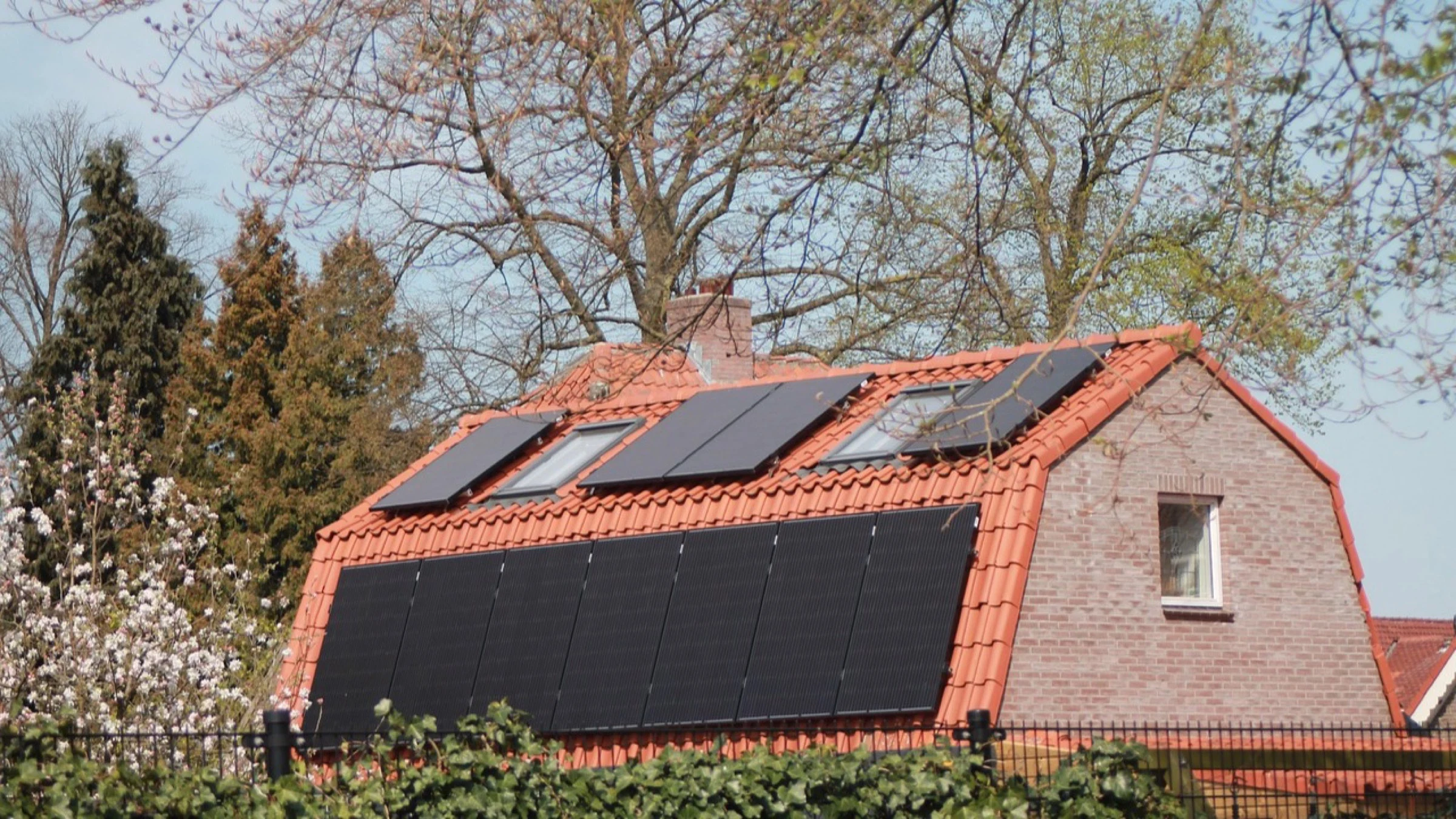
An A$11 million Illawarra pilot will connect solar and batteries across selected social homes as a virtual power plant. Its design must prove that grid coordination produces clear, durable benefits for tenants as well as system operators.
Australia’s first urban Renewable Energy Zone is testing whether distributed energy can serve households and the wider network at the same time. The Australian and New South Wales governments have committed A$11 million to install coordinated rooftop solar and batteries in selected Illawarra social-housing properties. A market sounding will help shape the technical and commercial model.
The Illawarra social housing virtual power plant brings an equity question into grid design. A virtual power plant coordinates many small energy resources so that they can respond like a larger generator or storage asset. Batteries may charge when electricity is abundant, support homes during expensive periods and export power when the network values it most. The system benefit is plausible; the distribution of that benefit must be explicit.
Tenant value needs a protected formula
Social-housing tenants may have limited ability to invest in solar or negotiate complex energy products. Publicly funded equipment can remove the upfront barrier, but installation alone does not guarantee an affordable outcome. Electricity tariffs, export revenue, battery-dispatch rules, maintenance responsibility and tenancy changes all influence who gains.
The pilot should define a protected tenant proposition before selecting an operator. That could combine a minimum bill reduction with limits on disadvantage during high-price events and clear treatment of households whose roof, orientation or connection cannot support the same equipment. Benefits should be understandable without requiring residents to become energy traders.
Consent and control also matter. A battery that is repeatedly dispatched for grid services may retain less energy for household use or backup. Residents need to know what the operator can control, when it can act and how to opt out without losing essential service. Data collected from homes should be limited to operational need, secured and separated from tenancy decisions.
The pilot must measure more than megawatts
The Illawarra Renewable Energy Zone is designed to integrate rooftop solar, home batteries, community-scale batteries and industrial resources. Within that wider program, social homes can show whether consumer energy resources improve reliability without excluding households that own neither property nor equipment.
Evaluation should compare bills before and after installation, adjusting for weather, occupancy and tariff changes. It should measure comfort during heat and cold, battery availability during network stress, maintenance response, participant retention and the value earned from grid services. Averages alone will be insufficient: a successful portfolio can still contain tenants whose bills rise or whose equipment is frequently unavailable.
The market sounding is therefore a design stage, not evidence of achieved savings. Operators and installers can explain integration costs, fleet controls and commercial risks, but tenant representatives should have equal influence over the service proposition. The contract should make performance data portable so that public authorities can compare operators and avoid dependence on one proprietary platform.
Replication depends on clear ownership
If the pilot works, expansion will require decisions about who owns the panels and batteries, who replaces them, what happens when a tenant moves and how benefits continue after the initial funding period. Social-housing portfolios also include varied buildings, electrical systems and roof conditions. A replicable model must specify which property types it suits and where other efficiency measures should come first.
The pilot should also test failure conditions. Communications may drop, an inverter may stop responding or a battery warranty may restrict the dispatch pattern promised by an aggregator. Contracts need fallback settings that protect household supply and a service desk able to distinguish an equipment fault from a billing problem. These mundane arrangements will determine whether residents experience the system as dependable infrastructure or as another technology imposed on their home.
The Illawarra trial can demonstrate that distributed energy is social infrastructure as well as grid infrastructure. The decisive evidence will be a commercial model in which households can see their share of the value, retain meaningful control and receive reliable support throughout the equipment’s life.
Take-Out
A social-housing virtual power plant earns legitimacy when tenant savings, comfort and control are designed into the commercial model—not treated as incidental benefits of a grid service sold elsewhere.
Questions and answers
What readers should know
- How much funding has been announced?
- The Australian Government will provide A$10 million and the New South Wales Government A$1 million.
- What will the virtual power plant connect?
- It will coordinate solar panels and batteries installed at selected social-housing properties in the Illawarra Renewable Energy Zone.
- Is the operating model final?
- No. EnergyCo and the state energy department are using market sounding to inform the commercial and technical design.
- How can tenants benefit?
- Potential benefits include lower bills, improved household comfort and participation in the value created when batteries support the grid.
- What should the pilot prove?
- It should demonstrate measured tenant savings, fair control and data rules, reliable equipment, network value and a sustainable ownership model.