
Mark and Focus analysis
Uralla Puts Water Loss Tools Into Routine Network Management
Read the analysis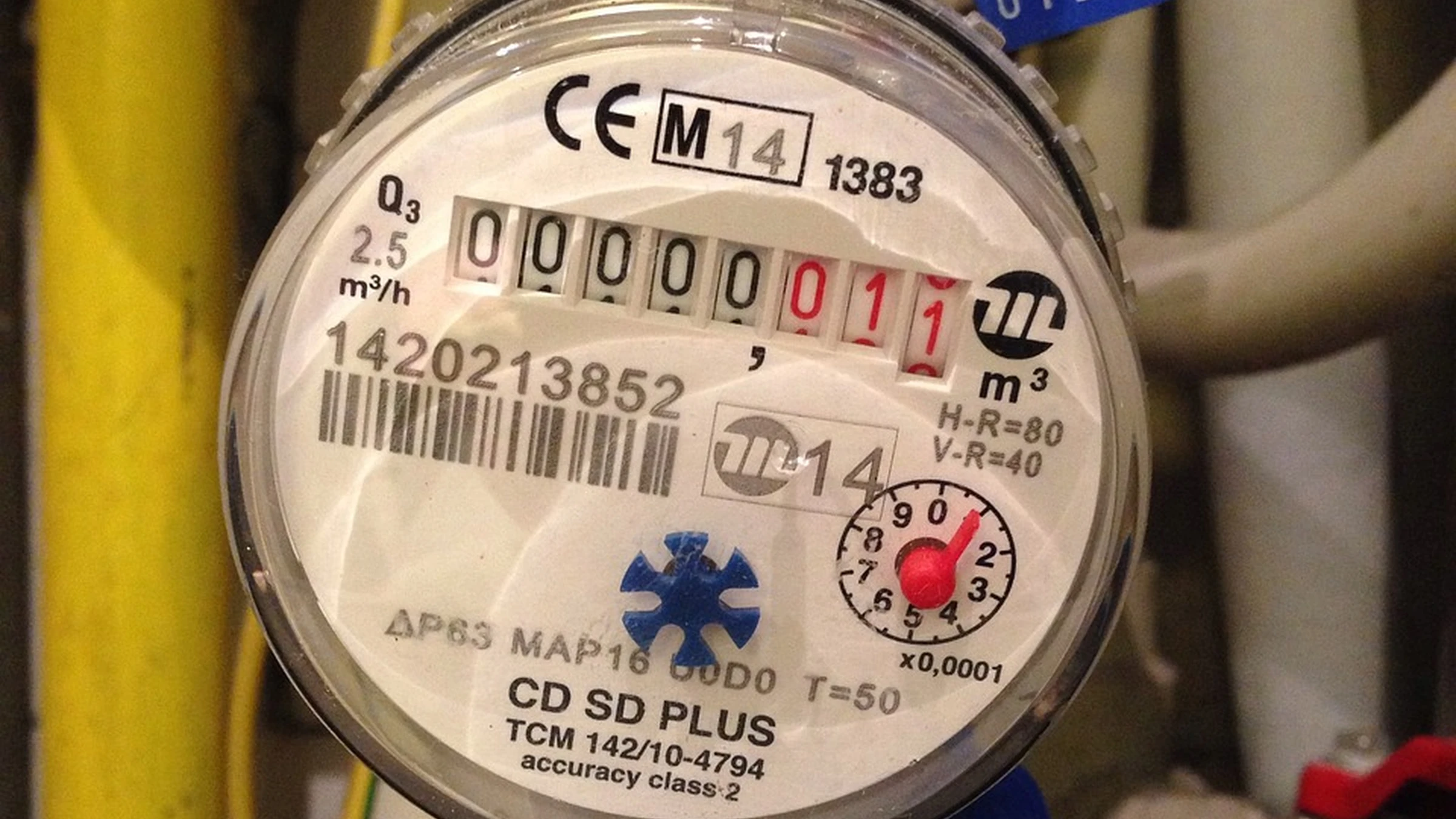
Uralla has completed a grant-funded package of water loss tools, including flow and pressure monitoring, acoustic detection, mapping and modeling. Earlier investigations and customer-meter tests show why the next operating program must distinguish physical losses from under-recorded use.
Uralla Shire Council has finished installing and developing a package of water loss tools. Its October 8 completion notice describes better measurement, detection and analysis, followed by a planned structured pressure and leak-monitoring program. The distinction between the completed project and the work that follows is central: the grant has improved the council’s ability to decide where water is going; it has not yet established a quantified reduction in losses.
Start With the Loss Uralla Has Found
The council’s August account of water-security work provides an important qualification to the usual leak-detection story. Investigations found relatively low continuous underground leakage, with most losses occurring through main and service-line breaks in older parts of the network. Council was continuing repairs, meter replacement and network renewal as funding became available.
That finding makes the local setting consequential. A town dominated by breaks needs to understand when and where assets fail, how quickly failures are recognized and what renewal can prevent. Searching for a large hidden background leak would not necessarily address its principal problem. The equipment must support the loss pattern that investigation has identified.
The work also sits beside a developing 30-year water-security strategy. Network reliability, future sources and emergency preparation have different jobs within that longer planning horizon. Recovering distribution losses can strengthen existing supply, while decisions about future sources still require their own demand and reliability assessment.
Measure Supply Before Interpreting Demand
The completed project upgraded flow meters at the treatment plant and added pressure-monitoring equipment. A more reliable record of water entering the network gives staff a firmer starting point for a water balance. Pressure records add information about the conditions under which the network operates.
Neither dataset locates every loss by itself. Together with hydraulic modeling and expanded GIS mapping, they can help staff relate observed behavior to the physical assets involved. A pressure change becomes more useful when its location and operating context can be understood. Mapping and modeling support interpretation; they do not replace field investigation or prove that a particular pipe needs replacement.
Acoustic leak-detection technology adds another means of investigating suspected leakage. Its value depends on a practical sequence: identify a concern, investigate it, locate the defect where possible, and organize an appropriate response. The completion notice establishes that the council has gained this capability. It does not report the number of defects located with the new equipment or the volume saved through subsequent repair.
Meter Error Is a Different Problem
Tests of older customer meters found many were under-registering consumption, supporting the continuing replacement program. This is different from water escaping from a broken main. A customer may have used water that the meter failed to record accurately; replacing that meter improves measurement rather than automatically reducing physical demand.
The distinction affects how the council should read a changing water balance. Better registration can reduce the apparent gap between supply and recorded consumption even if the same quantity of water reaches households. Repairs can reduce physical losses. Both can improve utility management, but a combined headline could conceal which improvement has occurred.
For investment decisions, that separation is useful. It helps avoid choosing a pipe intervention to solve a metering problem, or celebrating a measurement correction as a newly recovered physical supply. The council’s account supports both lines of work without claiming that they produce interchangeable results.
The Grant Ends; the Operating Work Continues
The NSW Government’s Water Loss Management Grant funded the project. The council remains responsible for building the new tools and information into its monitoring, repair and renewal decisions. The structured pressure and leak-monitoring program is described as the next step, so its performance should be assessed when operating evidence becomes available.
Statewide reporting shows why capability matters alongside equipment. NSW’s water-strategy progress report records support for utility staff learning to calculate non-revenue water through simple water balances. Those figures concern the wider program and cannot be assigned to Uralla. They nevertheless place its combination of measurement and assessment within a broader effort to improve how regional utilities use their own data.
Uralla’s strongest contribution is the specificity of the diagnosis. Continuous leakage, bursts and customer-meter under-registration have different consequences and call for different responses. The new capability gives the council a better basis for keeping those problems separate. An operating record that connects detection to repair, renewal and corrected measurement would show how much practical value the completed installation delivers.
Take-Out
Uralla’s investment becomes useful when staff can distinguish bursts, background leakage and meter error, then direct repairs and renewal toward the loss each intervention can actually reduce.
Questions and answers
What readers should know
- What did the project deliver?
- Upgraded treatment-plant flow meters, pressure equipment, acoustic detection, expanded GIS mapping, hydraulic modeling and a water balance assessment.
- What had earlier investigations found?
- Council reported relatively low continuous underground leakage, with most losses occurring through breaks in older mains and service lines.
- Why do old customer meters matter?
- Testing found many under-recorded consumption, affecting the difference between supplied and registered water.
- Has a specific water-saving result been reported?
- The completion notice does not quantify a reduction attributable to the completed package.
- What happens next?
- Council plans a structured pressure and leak-monitoring program using the new equipment and information.
Stay in the loop
Keep Mark and Focus in view
Hear about future publications, announcements, and relevant updates from Mark and Focus.