
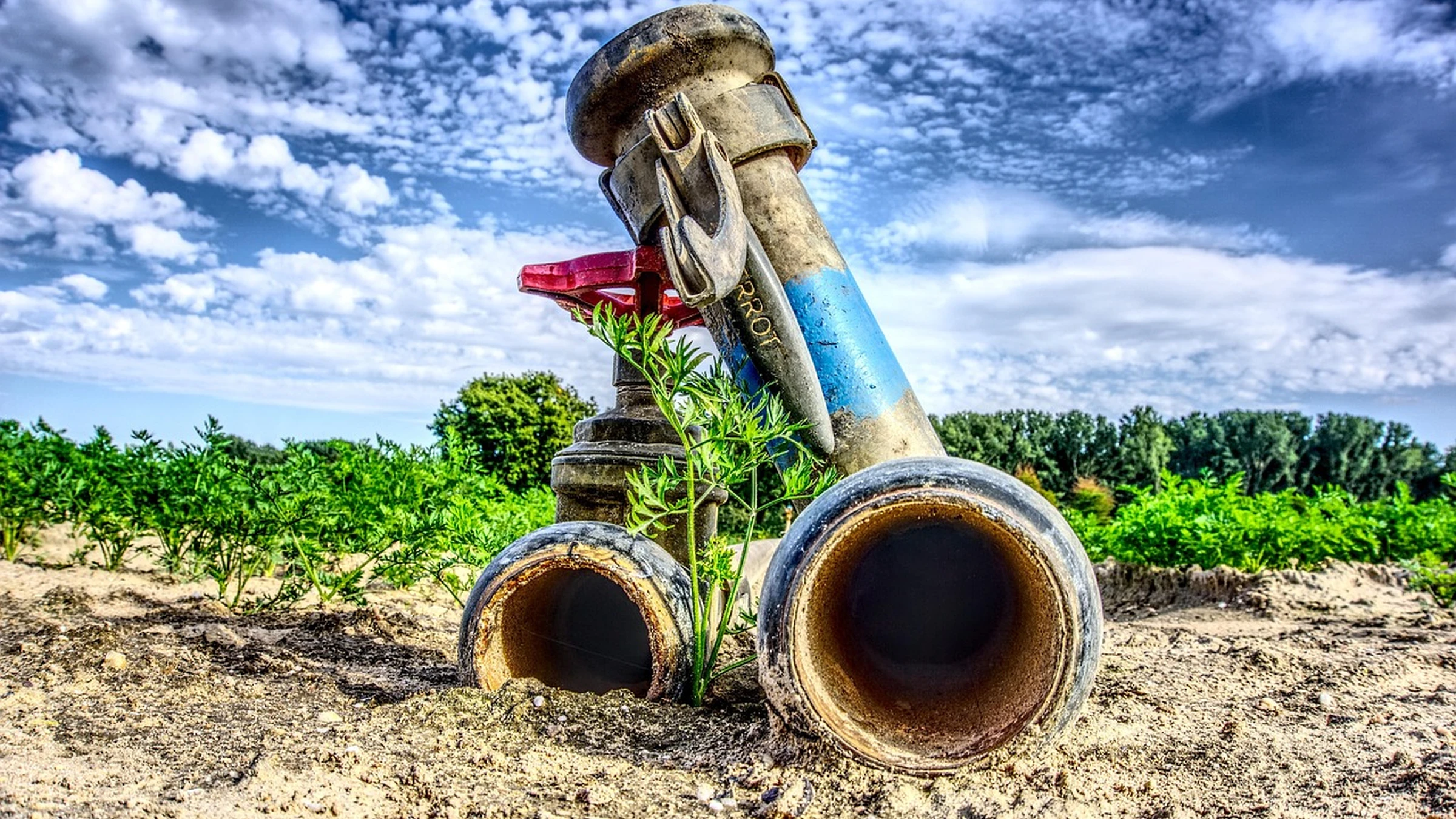
Combarbalá’s emergency irrigation call accepts applications until October 21. It requires evidence of storm damage and prioritizes restoring existing supply, while any expansion must demonstrate enough water for peak demand.
Chile’s INDAP has opened a third emergency call for irrigation repairs in Combarbalá, in the Coquimbo Region. Applications opened on October 15 and close at 14:00 on October 21, with results due by October 28. For affected small producers, the immediate question is which damaged function must be restored to keep water reaching the farm.
Damage Defines the Intervention
The call covers repair, rehabilitation, reconstruction, replacement and temporary infrastructure directly linked to extraordinary hydrometeorological events during 2026. Applicants must be INDAP users with holdings in the commune who suffered productive losses or face a risk of irrigation-system collapse. Damage must be supported by a Ficha de Afectación Silvoagropecuaria or verified by INDAP.
That verification links public support to an identified interruption. A proposal needs to show what failed and how the proposed work restores supply. Temporary works can serve that purpose alongside permanent replacement; the appropriate intervention depends on the damage, rather than an assumption that every emergency requires a larger asset.
Expansion Has a Separate Water Test
New planting and an increase in cultivated area are excluded unless sufficient irrigation water can be demonstrated for the period of maximum demand. This matters because repairing conveyance can recover access to existing water without increasing the amount available at the source. A working pump or repaired channel does not by itself justify more irrigated land.
The call therefore places restoration and expansion under different tests. The first concerns damage and continuity. The second adds a demonstration that the proposed demand can be supplied when requirements are greatest. Keeping those tests separate helps prevent an emergency investment from leaving a farm with a functioning installation but an unmanageable water requirement.
The application timetable establishes a route to assistance, not evidence that repairs have been funded or completed. Its practical value will turn on whether verified damage is converted into works that restore irrigation before further productive losses accumulate.
Take-Out
Emergency irrigation support protects productive capacity when it restores damaged supply without creating a new water demand that the farm cannot sustain.
Questions and answers
What readers should know
- What is the current deadline?
- Applications close at 14:00 on October 21, 2026; results are due by October 28.
- Who is eligible?
- INDAP users with holdings in Combarbalá affected by the specified 2026 events and productive losses or irrigation-collapse risk.
- How is damage established?
- Through a Ficha de Afectación Silvoagropecuaria or verification carried out by INDAP.
- Can temporary works qualify?
- Yes. The call includes temporary infrastructure intended to restore affected irrigation supply.
- Can support expand cultivated area?
- Only if sufficient irrigation water for peak demand is demonstrated; expansion is otherwise excluded.
Stay in the loop
Keep Mark and Focus in view
Hear about future publications, announcements, and relevant updates from Mark and Focus.