
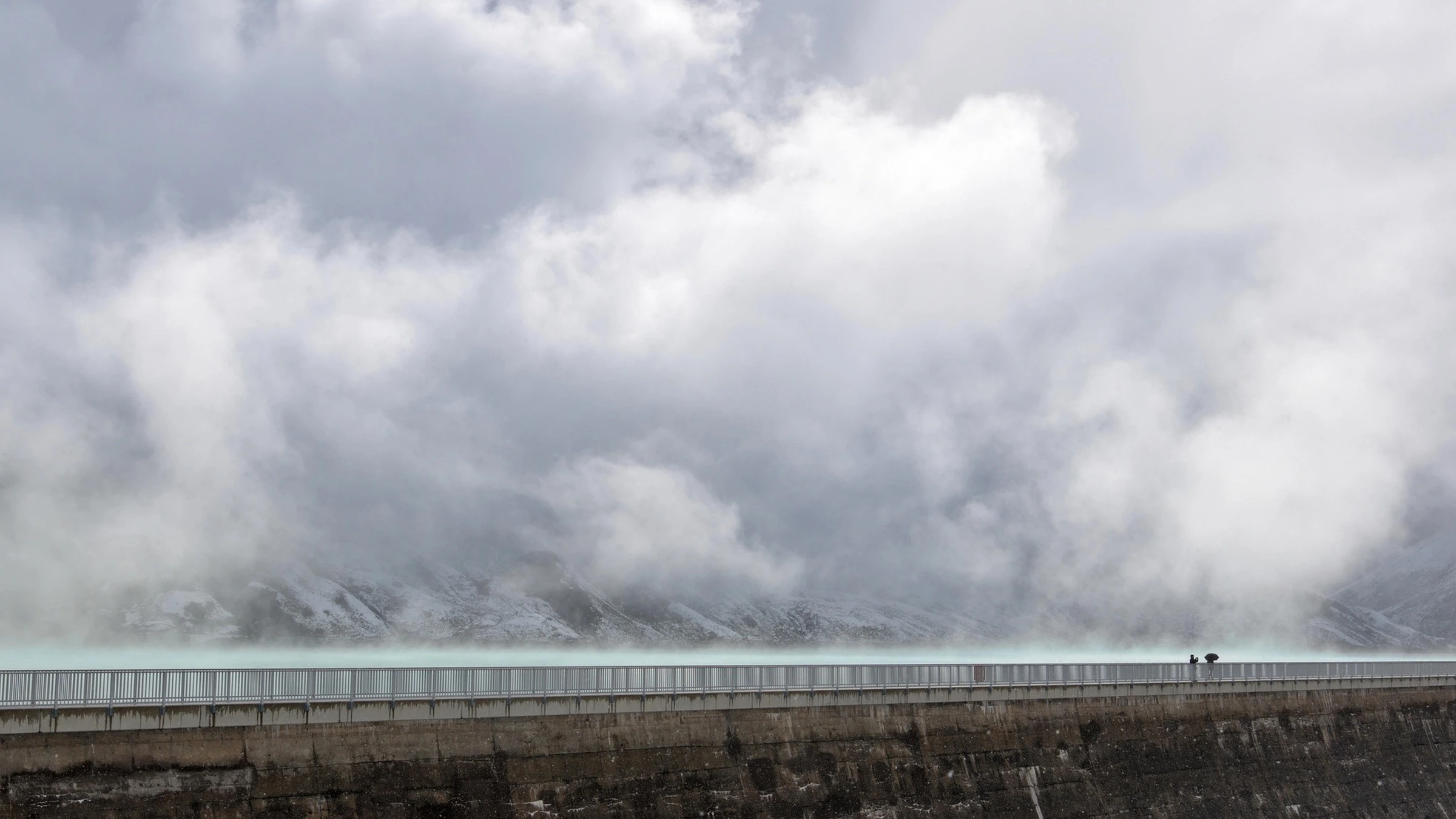
Brazil has raised the cost threshold for certifying federally financed raw-water infrastructure. The annual adjustment changes which works enter the process; the underlying assessment still asks whether the basin gains useful capacity and an institution can keep the asset operating.
Brazil’s water works certificate applies to a more expensive starting point from October 1. ANA, the national water and sanitation regulator, has increased the minimum value for CERTOH from R$56,424,500 to R$60,001,813.30. The decision concerns storage and raw-water conveyance infrastructure built or financed wholly or partly with federal resources.
The figure is precise because it is an indexed screening threshold, rather than a newly chosen target for infrastructure spending. For project sponsors, the immediate question is whether a proposed work falls within the requirement. For the regulator, the more demanding question remains whether the infrastructure will make a useful, continuing contribution after construction.
The Threshold Follows Construction Costs
Normative Ordinance 573 was published in September and took effect at the start of October. The adjustment follows the National Construction Cost Index, known as INCC. A 2025 decree requires ANA to update the minimum annually and publish the new figure by October.
Indexing makes the financial boundary respond to the cost of building. Without such adjustment, inflation alone could bring progressively smaller real projects inside a fixed nominal threshold. The new amount therefore needs to be used as a screening input, without being read as evidence that Brazil has weakened or strengthened every substantive certification test.
The relevant scope is also specific. This is a requirement for infrastructure that stores or conveys raw water and uses federal funding. The October notice does not establish a universal certificate for every municipal water or wastewater investment. Sponsors need to examine the asset and financing arrangement, rather than applying the headline amount indiscriminately across a capital program.
Basin Benefit and Continuing Operation
ANA describes two dimensions of certification. Water sustainability asks whether installing the infrastructure increases the useful utilization of water within its river basin. Operational sustainability asks whether institutional mechanisms exist to ensure that the infrastructure continues to operate.
Those questions concern different weaknesses a proposal might contain. A technically workable structure can still lack an institution able to run it over time. Equally, a named operator does not itself demonstrate that the work improves the basin’s use of water. Treating both dimensions seriously prevents a construction budget from standing in for a full account of the asset’s usefulness.
The certificate’s institutional requirement deserves particular attention during preparation. A sponsor should be able to explain the continuing operating arrangement, rather than leaving responsibility to be resolved after the civil works are complete. This is an implication of the assessment’s purpose, not evidence that every certified project has already achieved reliable operation.
Federal Transfers Have a Wider Reach
The 2025 decree also broadened the federal financing routes covered by the requirement. ANA says that, beyond voluntary transfers, any type of federal transfer to states and municipalities for the relevant water infrastructure is subject to the certificate requirement.
The annual threshold adjustment and that earlier scope change should be kept distinct. October brings the updated monetary boundary into force. The broader treatment of federal transfers comes from the existing decree. Combining the two into a claim that an entirely new certification regime began this month would obscure what actually changed.
For funding preparation, the sequence is to identify the work, determine its federal financing exposure, apply the current threshold and prepare the substantive certification case where required. Passing the financial screen is only the entry point. The durable value of CERTOH lies in making basin benefit and continued operation matters for assessment while the infrastructure is still being prepared.
Take-Out
A higher cost threshold changes the screening line. It does not replace the harder requirement to show who will operate a water asset and how its contribution to the basin can be sustained.
Questions and answers
What readers should know
- What changed on October 1?
- The minimum project value for requiring CERTOH rose to R$60,001,813.30.
- Which infrastructure is covered?
- Storage and raw-water conveyance works built or financed wholly or partly with federal resources, within the applicable scope.
- Why does the amount change annually?
- The governing decree requires an adjustment using the National Construction Cost Index.
- What does the certificate assess?
- The work’s contribution to water use in the basin and institutional mechanisms for continuing operation.
- Does certification prove that an asset is already operating well?
- The assessment concerns the project’s sustainability arrangements; the October notice does not report operating performance for individual assets.
Stay in the loop
Keep Mark and Focus in view
Hear about future publications, announcements, and relevant updates from Mark and Focus.