
Mark and Focus analysis
The EU’s Aquaculture Studies Explain Why “Sustainable” Is Not One Setting
Read the analysis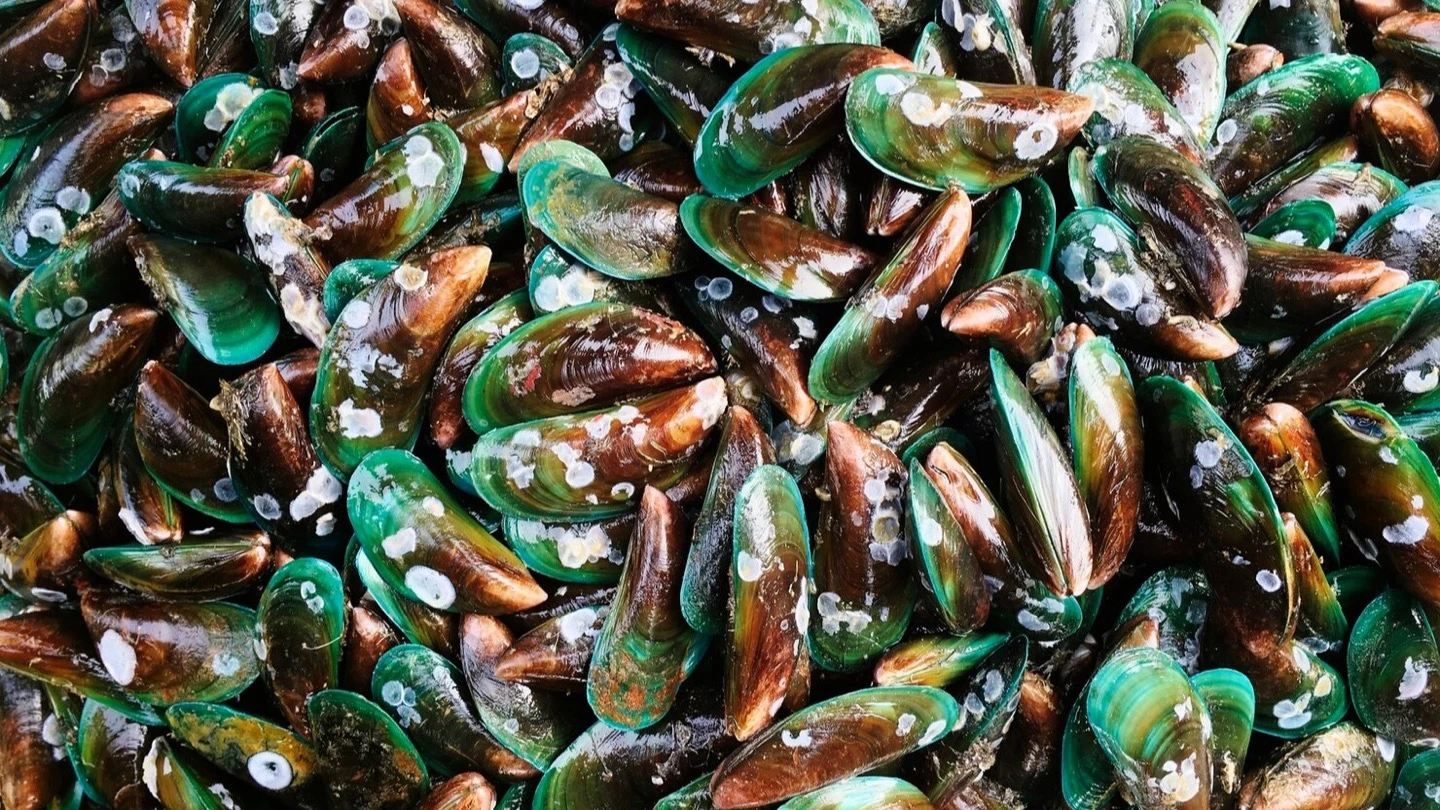
Three new EU studies show why aquaculture cannot be governed through one sustainability label. Environmental effects, lifecycle emissions and feed dependencies differ by species, production system, location and value-chain design.
The European Commission has released three studies to support implementation of its 2021–2030 aquaculture guidelines. One examines ecosystem services and environmental pressures, another maps routes toward net-zero production, and the third addresses feed.
Together, they explain a basic governance problem: aquaculture is not one production system, so it cannot be steered by one undifferentiated sustainability claim.
The first distinction is what the farm does to its environment
Some forms of aquaculture can provide ecosystem services. Shellfish and seaweed production may contribute to nutrient removal; well-managed sites can support water-quality functions, habitat or low-emissions food production. Other systems require feed, energy-intensive water movement or treatment. Any system can create pressure through poor siting or management, including nutrient accumulation, disease, invasive species, seabed effects and plastics.
This means environmental governance must begin with species, system and place. A mussel line in moving coastal water, a marine fish cage, a pond and a recirculating indoor facility have different exchanges with their surroundings. The relevant permit conditions, monitoring and performance indicators should therefore differ.
The ecosystem-services study is useful because it resists a simple positive or negative verdict. Benefits are conditional. Nutrient removal matters only if it is measured at the relevant scale; biodiversity effects depend on location and operation; low farm-level emissions do not erase transport or processing impacts. Conversely, a risk does not prove that every farm produces the same harm.
The second distinction is where emissions occur
The net-zero study looks beyond energy used at the farm. It covers feed, transport, vessels, infrastructure and logistics across five production-system categories and assembles lifecycle information for 2005–2024.
That wider boundary changes the apparent solution. For a fed species, feed ingredients and feed conversion may dominate the footprint. For an energy-intensive land system, electricity supply can matter more. For offshore operations, vessels and service logistics become significant. A farm can lower its direct fuel consumption while leaving most of its lifecycle emissions untouched.
The policy mechanism should follow the emissions source. Grid decarbonisation and efficient pumps may help one system. Feed reformulation, ingredient traceability and reduced loss may matter more in another. Vessel efficiency and site logistics may be decisive elsewhere.
Lifecycle assessment does not eliminate uncertainty. The study fills data gaps using comparable species or neighbouring countries, and results depend on system boundaries and national energy mixes. Its value is not a single league table. It is a structured way to locate the dominant sources of impact and avoid applying the wrong intervention.
The third distinction is what sits inside the feed
Feed connects aquaculture to agriculture, fisheries, commodity markets and regulation. Sustainability depends on ingredients, sourcing, processing, additives, nutritional performance and traceability. Replacing one ingredient can reduce pressure in one system while increasing land, energy or biodiversity pressure in another.
The Commission’s feed study therefore considers inputs, alternative ingredients, regulation, markets and transparency rather than treating feed as a technical formulation alone. That matters for governance. A credible claim needs evidence about origin and performance, not merely a novel ingredient label. Traceability makes it possible to connect farm outcomes to upstream production; clear standards help prevent environmental burdens from being shifted out of view.
How the three studies fit together
The studies create three linked questions for any production system:
- What ecological services and pressures occur at the site and surrounding ecosystem?
- Where do material emissions occur across the value chain?
- What upstream effects and dependencies are embedded in feed?
None can substitute for the others. A low-carbon farm may still be badly sited. A shellfish operation with beneficial nutrient effects may still face disease or plastic-loss risks. An alternative feed may lower dependence on marine ingredients but create a different land-use burden.
The regulatory implication is differentiation with comparability. Authorities need system-specific conditions while using common evidence rules for claims, lifecycle boundaries, monitoring quality and disclosure. Without differentiation, regulation becomes crude. Without comparability, every operator can define sustainability on its own terms.
What should happen next
The Commission’s strategic guidelines already ask member states to improve resilience, competitiveness, environmental performance, social acceptance, knowledge and innovation. The new studies make those objectives more operational, but only if they affect national plans, permits, funding criteria and reporting.
The important next step is not another universal label. It is a decision framework that identifies the production system, tests local ecological effects, locates lifecycle emissions and verifies upstream inputs. That framework would allow public authorities to support genuine improvement without pretending that every farm starts from the same environmental problem.
Take-Out
EU aquaculture policy needs system-specific rules and common evidence standards so local ecological effects, lifecycle emissions and feed impacts are assessed together without collapsing unlike farms into one category.