
Mark and Focus analysis
Europe Is Funding the Connections That Make Renewable Energy Cross-Border
Read the analysis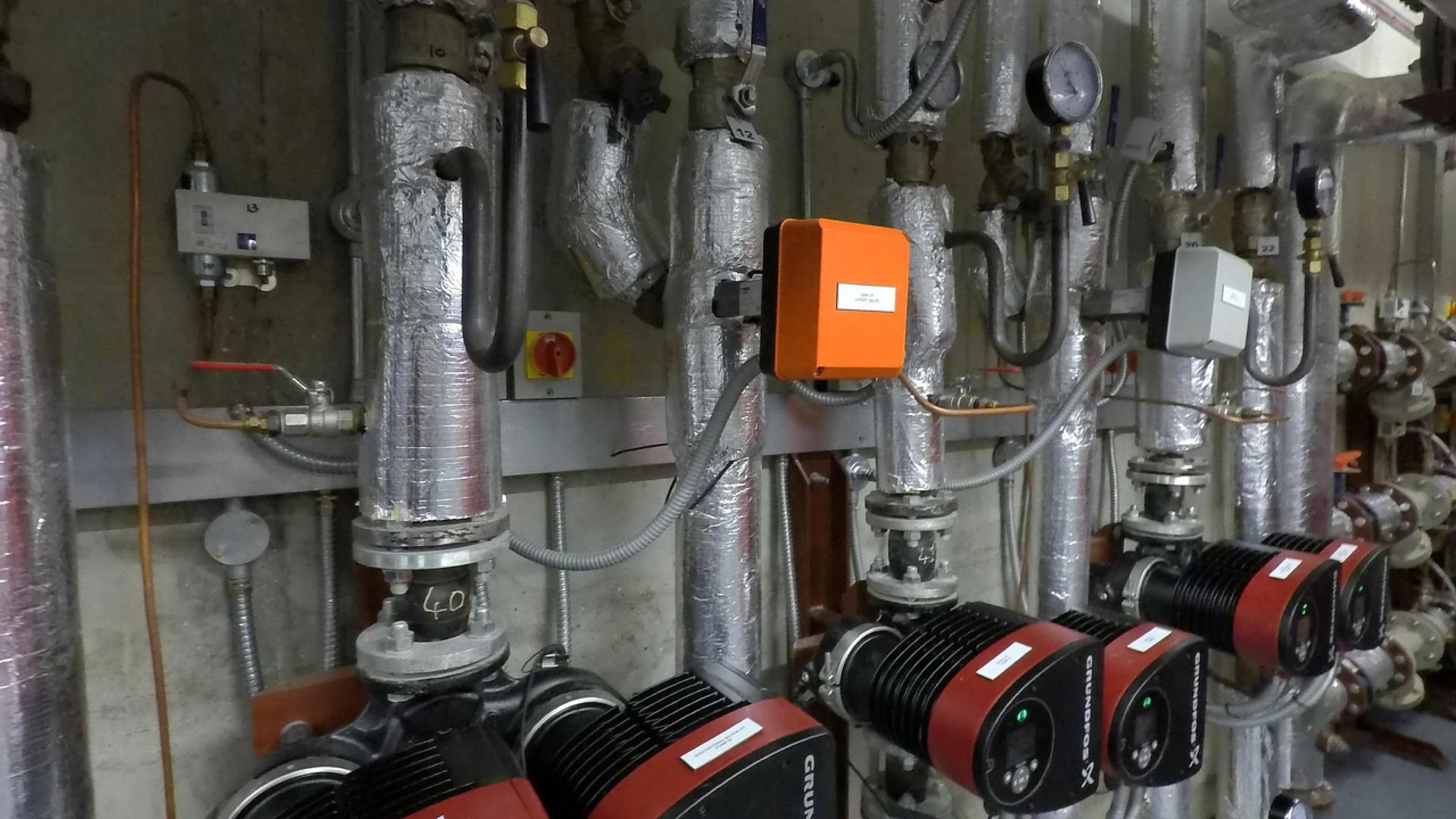
The European Commission has approved €125.81 million for three cross-border renewable-energy actions: two German-Polish heating systems and a Latvian-Lithuanian wind project. The awards focus on the physical connections and coordinated works that make shared energy systems operational.
The European Commission has approved €125.81 million for three cross-border renewable-energy actions. Two will advance connected district-heating systems between German and Polish cities. The third will fund the first implementation stage of an onshore wind project near the Latvian-Lithuanian border.
The awards are significant not because cross-border cooperation is new, but because they pay for the interfaces that make cooperation physical. A memorandum can align governments. A project list can confer status. Shared infrastructure only begins to operate when pipes, controls, substations, turbines and grid connections are built in the right sequence.
The largest award, €70 million, goes to the final works stage of UNITED HEAT in Görlitz, Germany, and Zgorzelec, Poland. Earlier phases supported studies and construction on both sides of the border. This action includes the cross-border pipeline, the ability to exchange heat and balance the two systems, and the integration of heat sources created under previous sub-projects.
That sequence is central to the project’s logic. The wider system combines renewable and recovered heat sources rather than relying on a single plant. Previous work has included biomass, solar thermal energy with seasonal storage, waste-heat recovery and power-to-heat technologies. The new grant funds the connection that allows those assets to behave as one system across a national boundary. Without it, each city can decarbonise parts of its network; with it, the pair can share capacity and balance supply.
A second German-Polish project receives €11.41 million. TWIN HEAT links Słubice in Poland with Frankfurt (Oder) in Germany. The funded action will replace coal-fired generation in Słubice with two biomass boilers, each rated at 6 MW thermal. The broader objective is full decarbonisation of district heating in Słubice and the start of deeper decarbonisation in Frankfurt through a coordinated system.
The technology choice creates a different implementation test. Replacing coal with biomass can reduce fossil dependence, but the result depends on the sustainability, availability and price of the wood-chip supply, as well as local air-quality controls and the operating relationship with the German network. The grant finances equipment; it does not by itself demonstrate the long-term performance of the fuel chain.
The third award, €44.40 million, supports the first development stage of UELJO, a planned cross-border wind park near Latvia and Lithuania. The overall project is expected to use around 30 modern turbines and generate up to 680 gigawatt-hours of renewable electricity a year. The funded phase covers balance-of-plant infrastructure, grid-connection work and turbine installation in Latvia.
Here the interface is electrical rather than thermal. The project intends to use shared transmission infrastructure, so the value depends on more than turbine output. Connection timing, system capacity, cross-border coordination and the allocation of benefits all matter. Funding the first physical stage moves the scheme beyond project status, but annual generation remains an expectation until the facilities are built and operating.
All three actions sit inside the Connecting Europe Facility’s cross-border renewable-energy window. Projects need formal cross-border renewable status, cooperation between participating states and evidence that the shared approach produces greater socio-economic benefits than separate national projects. Status creates eligibility; individual calls then finance studies or works. This staged architecture lets public funding follow projects from design into construction without pretending that an early designation is delivery.
The Commission adopted a new cross-border renewable list on 11 September, due to enter into force on 1 October, and expects another call in November. That pipeline matters because the present awards reveal what the instrument is increasingly buying: not generic renewable capacity, but assets that solve a coordination problem created by borders.
The strongest test of these grants will therefore be operational. Can the twin-city heat networks exchange and balance heat as planned? Can the biomass supply remain credible over the asset life? Does the wind project connect on schedule and use the shared grid efficiently? The European financing model has correctly identified the interfaces. Delivery will be measured by whether those interfaces work when energy, costs and responsibilities have to cross them.
Take-Out
Cross-border renewable cooperation becomes real at the interfaces: the pipe that can exchange heat, the controls that balance two systems and the grid works that let shared generation move. Europe is now funding those interfaces.
Questions and answers
What readers should know
- How much funding has been approved?
- €125.81 million across three works actions in the Connecting Europe Facility’s cross-border renewable-energy window.
- What does the €70 million UNITED HEAT award fund?
- The final works stage, including a cross-border pipeline, physical heat exchange, system balancing and integration of heat sources in Görlitz and Zgorzelec.
- What is funded under TWIN HEAT?
- €11.41 million will support two 6 MW thermal biomass boilers replacing coal-fired generation in Słubice as part of a wider German-Polish heating transition.
- What scale is planned for the UELJO wind project?
- Around 30 turbines and up to 680 GWh of annual generation. The €44.40 million award supports first-stage works in Latvia.
- Does grant approval prove the projects’ outcomes?
- No. It moves defined works into implementation. Construction, connection, fuel sustainability, cross-border operation and actual generation still have to be demonstrated.