
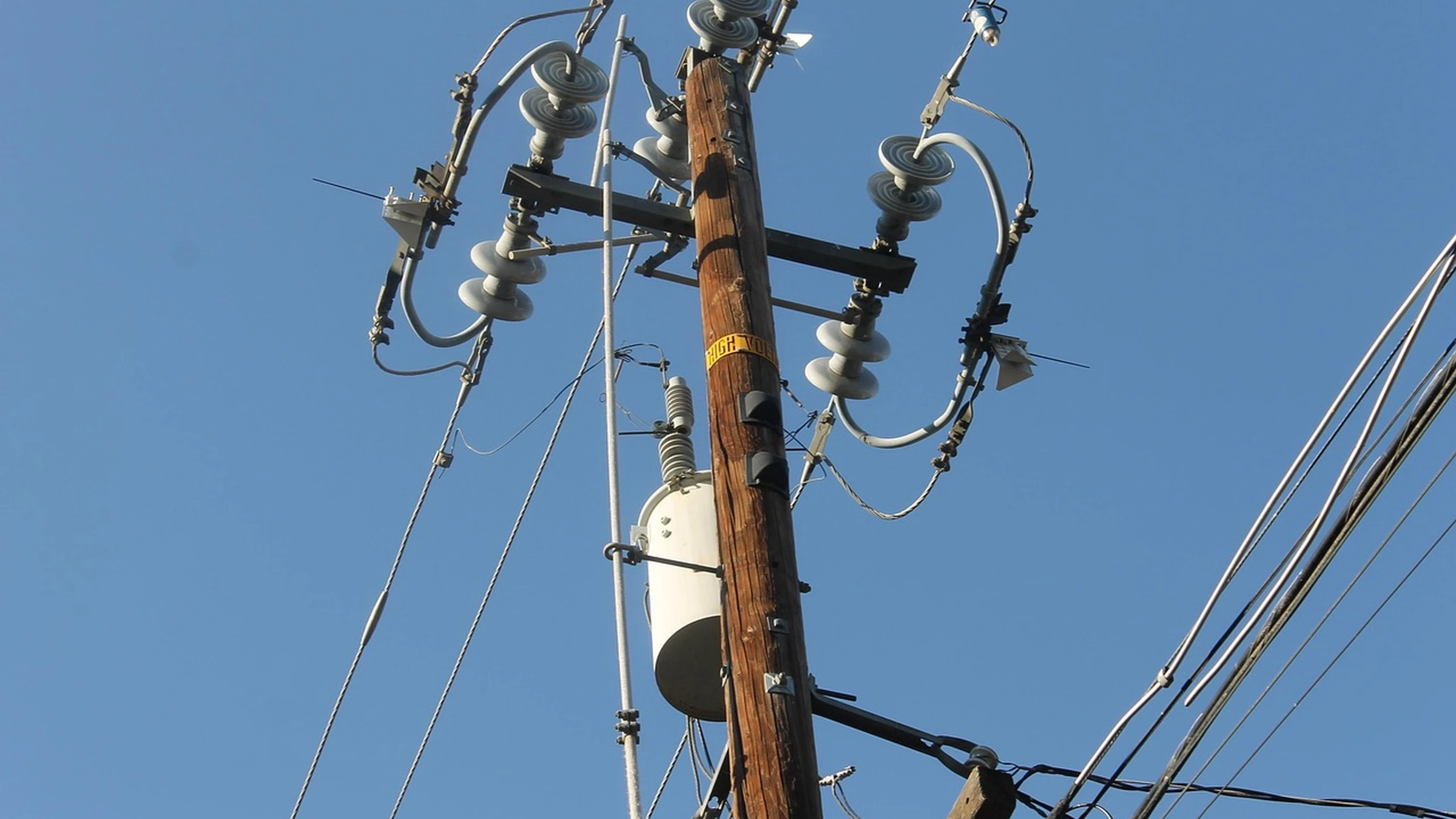
Wales is consulting on making undergrounding the starting point for new devolved 11–132kV electricity circuits. The proposal sets out tests for overhead exceptions and a hierarchy of alternatives, while leaving major transmission and other excluded infrastructure outside its scope.
Wales’s underground electricity proposal concerns how network connections are designed and justified. The consultation published on October 22, followed by a ministerial statement on October 23, seeks views on an undergrounding-first approach to new devolved 11–132kV circuits. Its practical questions concern where the policy applies, what could justify an overhead line and how a new expectation would enter planning decisions.
What Would Change From the Existing Policy?
Planning Policy Wales already expresses a preference for underground lines where possible, balanced against costs that could make otherwise acceptable projects unviable. The consultation proposes a clearer starting position and an ordered set of alternatives. Undergrounding would be considered first, with less intrusive overhead infrastructure considered by exception.
The ministerial statement ties that approach to the government’s commitment to end large steel lattice pylons for new lines within the devolved scope. It also identifies the need for infrastructure to be sensitively designed around the environment and host communities. These are proposed implementation arrangements: publication of a consultation does not show that every new connection has already been redesigned.
Which Electricity Infrastructure Is Covered?
The consultation is directed at new onshore 11–132kV circuits associated with devolved generation projects. It excludes transmission infrastructure above 132kV, generation and storage decisions outside the stated scope, permitted-development circuits and projects consented by the UK Government.
Those boundaries matter to a community assessing a nearby proposal. Voltage alone does not explain every consent route or establish that the Welsh policy would determine a particular application. The consultation asks how the proposed approach should work within Welsh planning powers, rather than claiming control over every part of the electricity system serving Wales.
When Could an Overhead Alternative Be Justified?
Three proposed tests address the reason for departing from undergrounding. The environmental test asks for evidence that burial would cause greater environmental impact. The technical test concerns physical impossibility or unacceptable engineering risk. The economic test concerns whether undergrounding would make the proposal financially unviable.
Each test asks a different question. A landscape preference does not resolve ground conditions, and a higher cost does not by itself establish financial unviability. For applicants, the implication is to explain the relevant constraint with evidence rather than treating all objections to undergrounding as interchangeable. For decision makers, the same separation could make the reason for an exception easier to follow.
How Would a Project’s Wider Route Matter?
The Independent Advisory Group’s report raises the need to consider landscape, biodiversity, heritage and community effects through transparent planning. The consultation carries that concern into requests for better explanation of how individual proposals fit wider network plans and whether routes can align with existing or planned infrastructure.
A route can look acceptable in isolation while creating avoidable disturbance when considered alongside other works. Conversely, following another corridor may introduce constraints that need explanation. The professional task is to show how options were compared in their actual setting. The consultation proposes guidance on those expectations; it does not establish that co-location is always feasible or preferable.
How Would the Proposal Enter Decisions?
The government describes an interim ministerial planning policy statement, a later update to Planning Policy Wales, and an infrastructure policy statement for significant infrastructure projects. These instruments address different decision routes. Their purpose is to make the policy relevant to decisions by both Welsh Ministers and local planning authorities.
Responses are invited until January 15, 2027, and the minister’s statement promises further steps in early 2027 after consultation. The final approach therefore remains open. The significant choice now is how to make undergrounding a clear default while preserving an intelligible, evidence-based route for the places where another design is justified.
Take-Out
An undergrounding preference becomes a decision rule only when applicants know how exceptions will be judged. Wales’s consultation puts the evidence for environmental harm, engineering constraints and financial viability at the center of that choice.
Questions and answers
What readers should know
- Has Wales imposed the final new policy?
- The retained documents describe a consultation on its design and implementation, with further steps expected in early 2027.
- What is the voltage range?
- The proposal concerns new devolved 11–132kV onshore circuits within its stated scope.
- What are the proposed exception tests?
- Environmental impact, technical feasibility or engineering risk, and financial viability.
- Would all overhead alternatives be acceptable?
- No. The proposal envisages an ordered hierarchy and less intrusive infrastructure, rather than unrestricted overhead choice.
- When can consultation responses be submitted?
- The stated deadline is January 15, 2027.
Stay in the loop
Keep Mark and Focus in view
Hear about future publications, announcements, and relevant updates from Mark and Focus.