
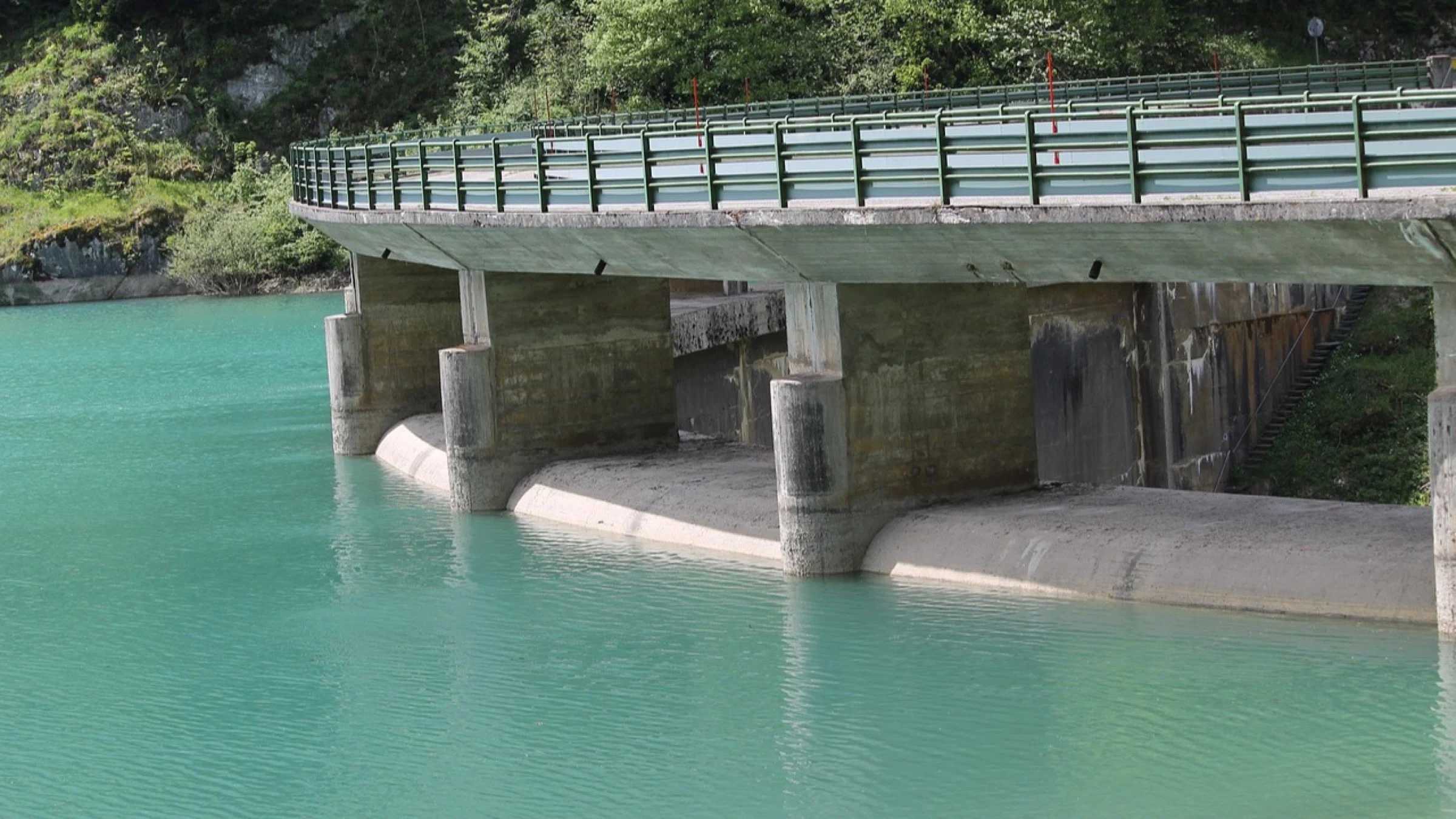
Australia has released the construction tender for a A$59.1 million Busselton water project, moving a new inland source, treatment plant and storage from planning toward delivery for 7,000 additional connections.
Western Australia’s Busselton Water Supply Improvement project has reached the point where long-term water planning becomes a construction obligation. A tender has been released for a new treatment plant, two seven-megaliter treated-water tanks, pumping and electrical systems, controls and supporting infrastructure. The successful contractor will also test and commission the facility before it enters the network.
The A$59.1 million project is jointly funded through Australia’s National Water Grid Fund and the Western Australian Government. It is intended to create 7,000 additional connections and support housing and economic growth around Busselton. A production bore and monitoring bore have already been installed inland.
The tender matters because Busselton water security is no longer expressed only as a future need. Procurement establishes a deliverable system, a timetable and an accountable contractor. It also reveals whether the design has successfully joined the source, treatment process, storage, controls and distribution capacity needed to create a reliable service.
Moving inland changes the source strategy
Busselton has historically depended on coastal groundwater. The new source sits about five kilometers inland and is intended to reduce pressure on coastal borefields. That change is both an expansion and a diversification measure.
A new bore does not automatically create secure supply. Groundwater yield and quality have to remain reliable under sustained abstraction. Treatment must handle the actual water chemistry. Monitoring should detect whether extraction changes groundwater levels, salinity or nearby environmental conditions. The production and monitoring bores create the basis for that evidence.
The project is expected to increase supply capacity for Busselton and Dunsborough by about 20 percent. That margin needs to be assessed against population growth, peak-day demand, water-efficiency gains and climate effects over the asset’s life. A resilient plan should preserve headroom rather than using every new unit of capacity immediately.
Storage and controls turn production into service
The two seven-megaliter tanks provide more than volume. They can help separate the timing of treatment from the timing of customer demand, protect pressure during peaks and give operators a buffer when a pump, bore or treatment process is unavailable.
Electrical systems and controls are equally important. A treatment plant is an operating system rather than a collection of civil works. Instrumentation must show flows, quality and storage levels. Alarms need clear response rules. Backup arrangements should account for power or communications failures. Commissioning should test the plant across normal, peak and failure conditions before the network becomes dependent on it.
Those requirements belong in the contract. Performance specifications should define treated-water quality, sustainable output, energy use, recovery after faults and the reliability of the control system. Completion should mean demonstrated performance, not only finished construction.
Procurement can retain regional value
Tenderers are being encouraged to use local contractors, suppliers and trades. That can keep more economic benefit in the South West and strengthen the workforce available for later operation and maintenance.
Local participation should still be tied to capability and safety. A useful procurement record would distinguish spending retained in the region, workers trained, apprentices supported and specialist functions transferred to local teams. The same record should show whether local sourcing affects schedule, cost or long-term maintenance risk.
The tender closes on 4 December 2026. The next decisions will determine how much risk sits with the contractor, which performance guarantees survive commissioning and how the utility will verify the new inland source over time.
Busselton’s project shows what it means to turn a resilience plan into a delivery package. Source diversification, treatment, storage, network integration and local capability are being procured together. The public value will appear when that package provides reliable additional connections while protecting the groundwater system on which the region still depends.
Take-Out
A tender is a decisive water-security milestone when it binds source diversification, treatment, storage, commissioning and local delivery into one contract that can be tested against service outcomes.
Questions and answers
What readers should know
- What has been tendered?
- Detailed completion and construction of a new water treatment plant, storage tanks, pumps, electrical and control systems, testing and commissioning.
- How large is the project?
- A$59.1 million, jointly funded by the Australian and Western Australian governments.
- What additional capacity is planned?
- Infrastructure supporting 7,000 new connections and about 20 percent more supply capacity for Busselton and Dunsborough.
- Why move the source inland?
- To reduce pressure on coastal borefields and diversify the groundwater infrastructure serving a growing region.
- What should commissioning prove?
- Water quality, sustainable output, storage and pressure performance, control-system reliability and recovery from foreseeable faults.