
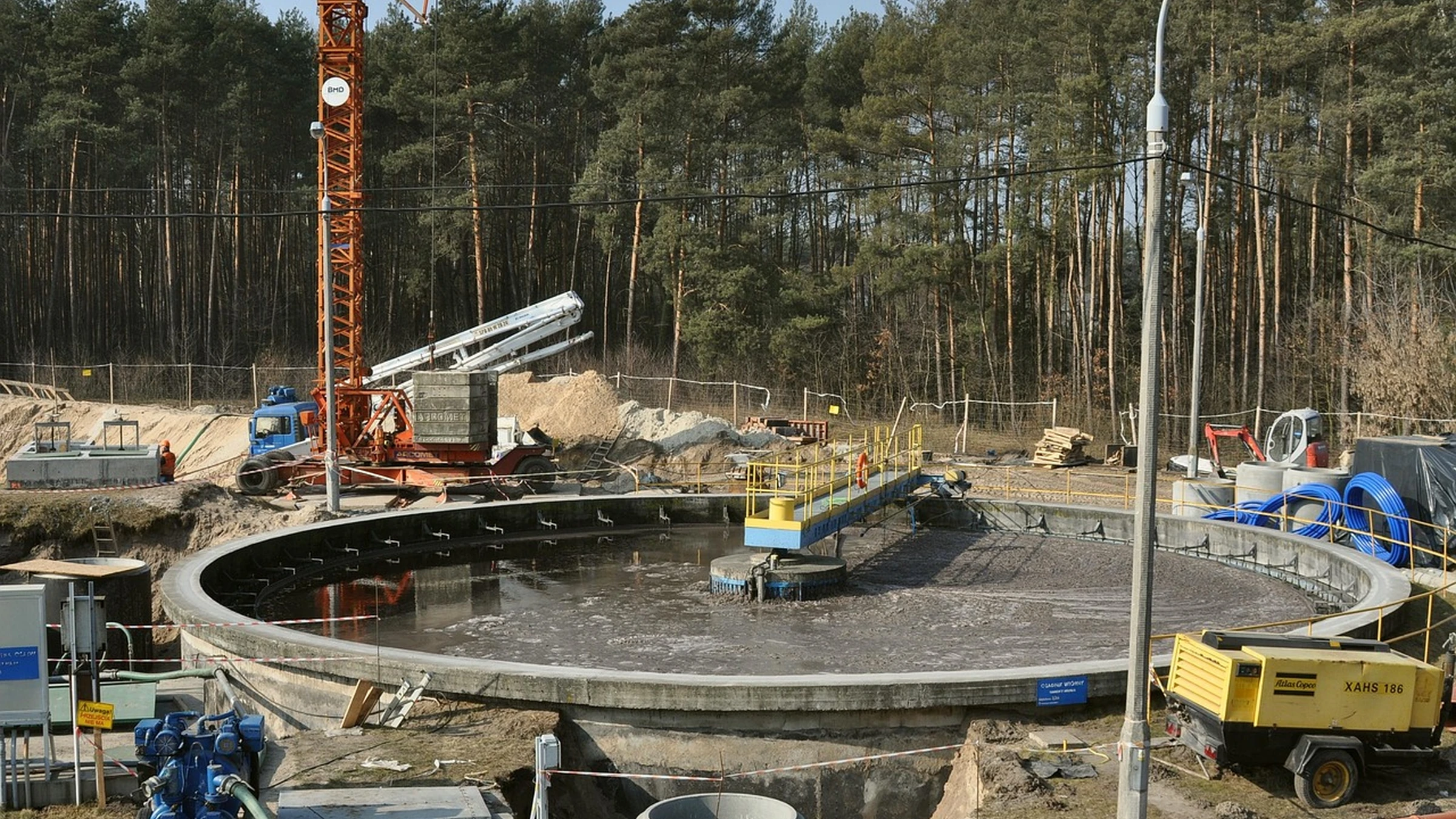
South Lampung is preparing scheduled desludging for an initial November launch. Its October readiness review connects local coordination, public communication and a future work plan, while service delivery remains a separate test.
South Lampung is preparing scheduled desludging as a continuing sanitation service, with an initial launch planned for the first week of November 2026. Its October 15 workshop examined the arrangements behind that launch. The local government’s account makes the central challenge clear: a completed plan must become a service that keeps returning to households.
Moving Beyond an Emergency Call
Scheduled desludging organizes septic-tank emptying at planned intervals rather than leaving every visit to an urgent household request. The operating task includes knowing which premises need a visit, arranging access, assigning collection work and maintaining a record for the next cycle. Planning the repeat visit is part of providing the service.
Pekanbaru’s municipal sanitation portal offers a concrete example of how that sequence can work elsewhere in Indonesia. Its published route begins with enrollment, records tank capacity and a maintenance cycle, sends notice before a visit, completes the emptying and updates the next scheduled cycle. These are Pekanbaru’s arrangements; they are not evidence that South Lampung has adopted identical intervals or digital tools.
The comparison explains why public communication has an operational role. A household needs to understand what the service will do and make its tank accessible. A schedule that never becomes an agreed visit cannot move sludge out of the property, however complete the administrative record appears.
Reading the Readiness Score
South Lampung’s workshop reported a rise in its assessment score from 49 to 88 points. The account identifies local leadership commitments, domestic wastewater circulars, communication material and trial-service documentation among the supporting steps. The score concerns preparation for the service; it is not a measured reduction in pollution or a count of households receiving continuing collection.
That distinction helps managers decide what to examine next. A readiness review can show that institutions have addressed the conditions needed to begin. Once visits start, records need to show whether the arrangements work in practice: whether scheduled premises are reached, why visits fail and how the next cycle is maintained.
A failed visit can reveal a specific obstacle. Missing property information calls for better records; inaccessible tank openings call for a household-level solution; an unavailable crew calls for an operating response. Combining all of these as a single low participation figure would make the remedy harder to identify.
Financing the Return Visit
The workshop emphasized clear responsibilities, institutional readiness, regulation, sustained funding and public education. Participants were asked to review a draft 2027–2028 work plan and return their comments by October 30. Those steps place the proposed launch within a longer operating horizon.
Recurring work creates recurring costs. Vehicles and staff must be available beyond an opening demonstration, while the organization responsible for the service must keep track of its commitments. The announcement does not establish a final South Lampung tariff, collection interval or complete treatment-performance record. Those details should not be borrowed from another city to fill the gap.
For other local authorities, the practical lesson is to connect the readiness review with the records the operating team will need afterward. A plan can identify responsible offices; a service record shows whether each office completed its part. The first public launch can then begin a continuing cycle of visits, follow-up and financing, rather than become the sole measure of progress.
Take-Out
A recurring sanitation service needs a repeatable route from household records to collection and treatment. South Lampung’s readiness review is a starting point; completed visits and continuing finance will test the arrangement.
Questions and answers
What readers should know
- What is South Lampung preparing?
- An initial launch of scheduled fecal-sludge services in the first week of November 2026.
- What changed in the readiness assessment?
- The workshop reported an increase from 49 to 88 points.
- Does the score prove cleaner water?
- No. It reports preparation, rather than a measured environmental outcome.
- Does Pekanbaru’s schedule apply to South Lampung?
- No. Pekanbaru’s published service illustrates the mechanism without establishing South Lampung’s final operating rules.
- What should follow the launch?
- Records should show completed visits, unresolved access problems, the next service cycle and the funding needed to continue.
Stay in the loop
Keep Mark and Focus in view
Hear about future publications, announcements, and relevant updates from Mark and Focus.