
Indonesia’s new energy-import arrangement places a government-assigned public service agency between overseas procurement and Pertamina. The change is accompanied by plans for domestic crude storage and an effort to secure longer-term supply contracts.
Indonesia has changed how it intends to procure imported crude oil, fuel and liquefied petroleum gas. In its October 26 explanation of Presidential Regulation 107/2026, the energy ministry describes a move from business-to-business tendering toward direct government-to-government and government-to-business arrangements. A separate announcement on the same day adds plans for domestic crude storage. Together, they set out a change in purchasing authority and a proposed change in where imported crude can be received.
The Purchasing Chain Changes
Under the arrangement described by the ministry, a government-assigned public service agency, or BLU, carries out procurement. Pertamina then purchases from the BLU. That places the state’s negotiating role and the agency’s purchasing role ahead of the company’s acquisition of the imported energy.
The ministry presents the change as a response to delays and uncertainty experienced through tendering. Minister Bahlil Lahadalia says Pertamina had sometimes secured a low price but then lost supply when a producer chose a higher-paying buyer. This is the government’s stated account of the problem. It explains the policy rationale without independently establishing how often such cases occurred or the value of the affected cargoes.
Direct state negotiation can change who discusses supply terms and which counterparties are approached. It does not, by itself, establish the price, delivery schedule or reliability of the contracts that result. Those remain properties of the actual agreements and their performance. The announcement therefore supports an account of the new procurement arrangement, rather than a conclusion that import costs have already fallen.
A Coordinated Exception Remains
The ministry says the regulation still permits Pertamina to import directly in specified circumstances, including very low national reserves or geopolitical disruption in a source country. Such action must be coordinated with the BLU. The explanation consequently describes a central purchasing route with an exception, rather than an unconditional ban on all company-led imports.
For implementation, that distinction matters because unusual supply conditions are precisely when the speed and clarity of a purchasing decision become consequential. The published account identifies who must be involved; it does not provide enough detail to assess how rapidly every exceptional request would be resolved. A firm operational judgment would require the applicable procedures and evidence of decisions made under them.
The new route also covers several products. Crude is a refinery input, while imported fuels and LPG serve different downstream requirements. Grouping them within one procurement policy does not make their storage, handling or end uses interchangeable. The ministry’s stated objective is greater certainty of domestic energy supply across those needs.
Storage Is a Physical Delivery Proposal
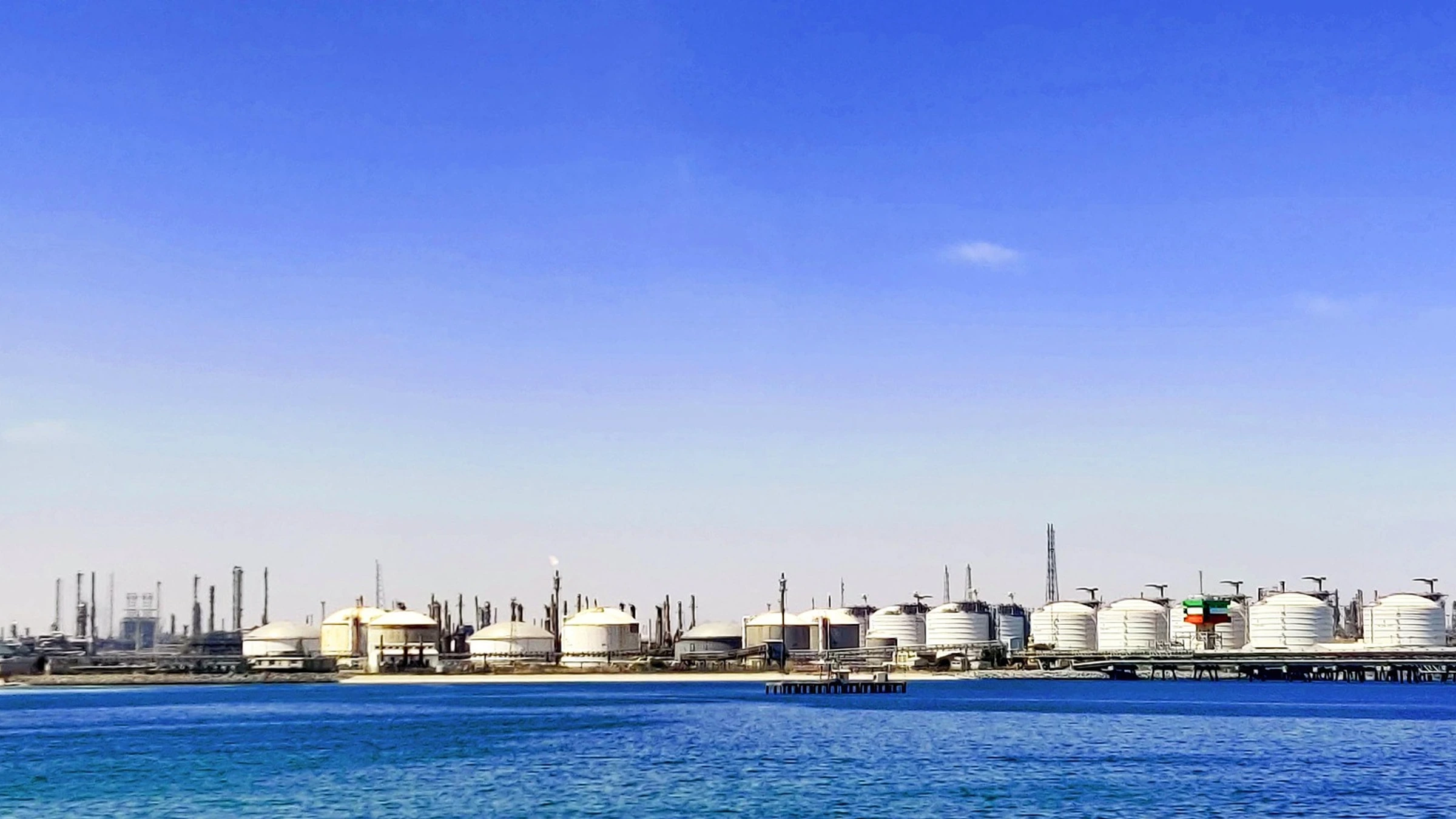
In the accompanying announcement, the government says the BLU will work with partner companies to develop domestic crude storage. The intended change is for imported crude to arrive directly in Indonesia rather than first stopping in other countries. This concerns the physical route and receipt of oil, adding a different question from who negotiates its purchase.
Storage can provide a place to receive and hold crude, but the announcement does not state a completed facility, a commissioned capacity or a verified operational gain. Describing it as preparation for construction preserves the project’s actual stage. A procurement regulation and a storage plan should not be combined into a claim that new terminal capacity is already available.
The practical link is nevertheless clear. Changing a purchasing arrangement does not itself create the infrastructure needed to receive and manage the purchased material. Conversely, a storage asset’s presence would not establish that a long-term supply agreement had been secured. Keeping the two delivery records separate makes it possible to see which part of the policy has advanced.
Contracting Beyond the Announcement
The ministry says Bahlil has been tasked with seeking long-term supply contracts and is scheduled to visit countries including India and China. These are intended negotiating steps, rather than evidence that named contracts have been concluded. The government frames them as a response to geopolitical uncertainty and a way to support domestic supply.
The next evidence should therefore attach to specific commitments: the responsibilities assigned to the BLU, the supply agreements actually concluded and the stages reached by domestic storage projects. Those records would allow the new arrangement’s performance to be assessed without treating an institutional change as proof of a physical outcome. For now, Indonesia has described a different route for buying energy and a related infrastructure intention; their contribution to supply reliability will depend on the agreements and facilities that follow.
Take-Out
Track the new purchasing authority, contracted supply and domestic storage as separate delivery steps. A government procurement route can change negotiations before new infrastructure or more reliable arrivals have been demonstrated.
Questions and answers
What readers should know
- What import products does the announcement cover?
- Crude oil, fuel and liquefied petroleum gas.
- What role does the BLU have?
- The government-assigned public service agency carries out procurement, after which Pertamina purchases from it.
- Can Pertamina still import directly?
- The ministry describes specified exceptional circumstances, with coordination through the BLU.
- Has new domestic crude storage been completed?
- No completed facility or commissioned capacity is established by the announcement; storage is being prepared.
- Are the long-term contracts already signed?
- The statement describes an assignment to seek them and planned negotiating visits, not concluded named contracts.
Stay in the loop
Keep Mark and Focus in view
Hear about future publications, announcements, and relevant updates from Mark and Focus.