
Eastern Uganda’s latest water-project inspections examined works, catchments, safeguards and service readiness together. The reports show why progress on pipes and treatment needs to be assessed alongside the remaining task of connecting communities to reliable supply.
Uganda’s late-October inspections of water systems in the east put a practical question beside visible construction progress: when will the infrastructure provide reliable service to the communities it is meant to reach? The Ministry of Water and Environment, the World Bank technical team and the National Water and Sewerage Corporation reviewed works under the Integrated Water Management and Development Project, including the Tirinyi–Kibuku–Kadama–Budaka system.
Following the Works Beyond the Treatment Plant
The October 28 field visit covered that system and Bukizibu–Bumwena in Mayuge District. In Budaka, the team discussed completion readiness with the contractor and supervising consultant before inspecting the site and project components. The ministry’s report records progress, but also the World Bank team’s call for NWSC to prioritize the remaining milestone of reliable access to safe water for communities in the supply area.
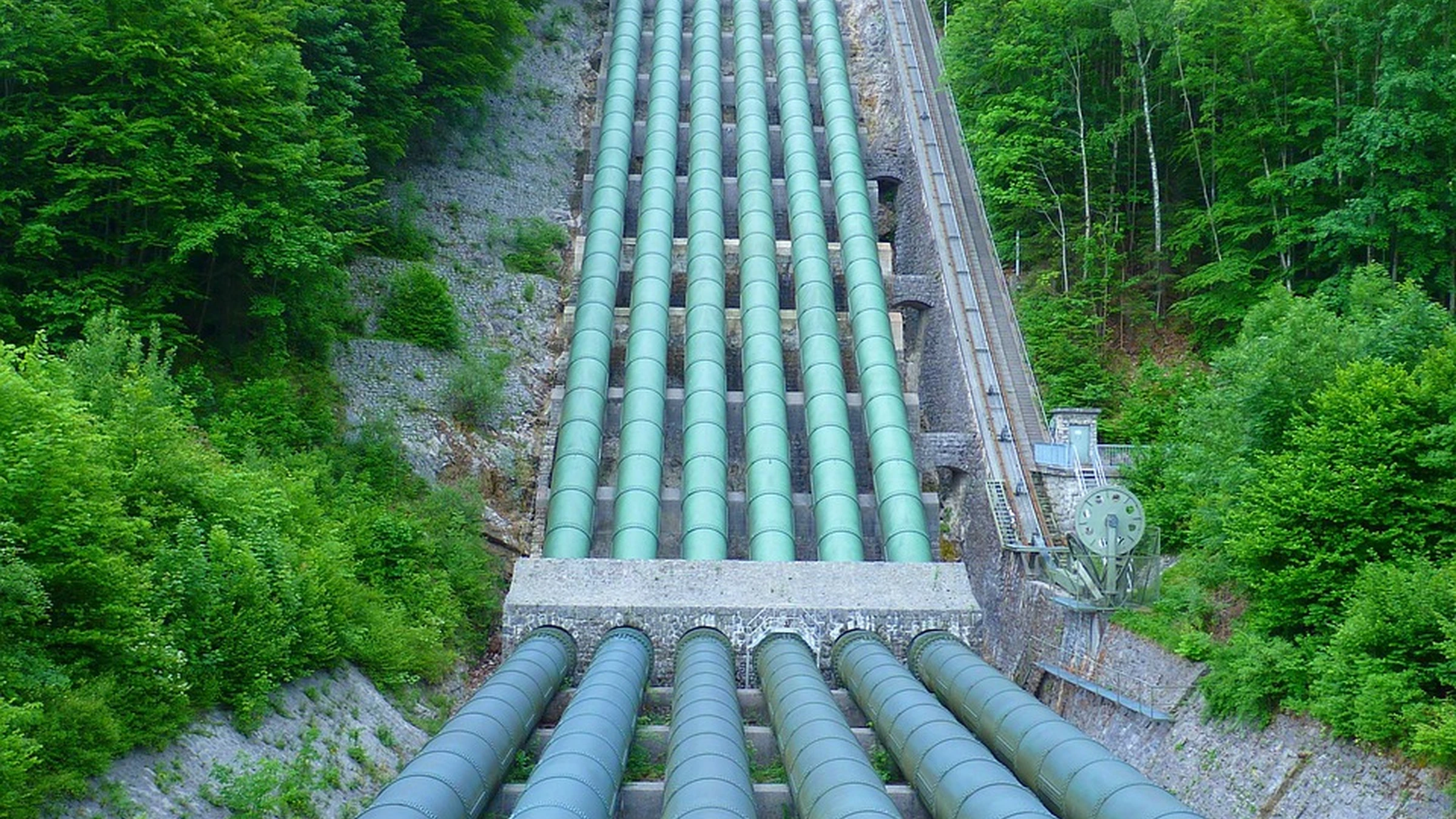
The Tirinyi–Kibuku–Kadama–Budaka system includes approximately 60 kilometers of transmission pipelines, 67 kilometers of distribution pipelines and 1,300 planned water connections. The word planned is consequential. It identifies the intended reach of the network without claiming that every connection has been made or that each user already receives dependable supply.
The two pipeline categories also describe different parts of delivery. Transmission moves water between major parts of the system; distribution brings it through the service area toward users. Inspecting both helps explain why a completed upstream component cannot by itself establish the condition at the end of the network.
A Source-to-Service Review
The previous day’s inspections in Mbale covered the Namatala intake, treatment plant and transmission infrastructure, as well as catchment interventions in Lwakhakha. The mission had also visited wastewater stabilization ponds, sanitation facilities and Manafwa Water Works. The reported itinerary therefore followed several parts of water and sanitation delivery rather than treating the new pipes as the whole project.
This matches the project’s underlying design. Its components combine water supply and sanitation investments with water-resource management, source protection, operating performance and institutional support. The ministry and NWSC carry different implementation responsibilities within that wider program.
For an operator, the connection between source protection and treatment is practical. The treatment works depend on the water reaching them, while the catchment is part of the setting that determines that source. Bringing the two into one inspection helps keep a supply investment tied to the conditions under which it must operate. The current reports do not quantify a catchment-driven improvement in water quality; that remains a separate performance question.
Completion Readiness Includes People and Responsibilities
The October 27 report says the assessments covered implementation progress, environmental and social safeguards, concerns affecting project-affected people and long-term sustainability. Those subjects sit alongside engineering completion because infrastructure occupies land, affects communities and needs an organization responsible for its operation.
A contractor, supervising consultant and future operator can each hold different evidence about readiness. Construction records may show what was installed, supervision can assess whether the work meets the required specifications, and the operator must establish how the system will serve users. Their joint engagement is a way to expose unfinished steps at the boundary between construction and service.
The published accounts do not provide a complete list of defects, test results or decisions on every affected-person concern. They should therefore be read as evidence of the review and its stated priorities, rather than a certificate that every engineering and social obligation has been closed. The distinction preserves the significance of progress without overstating what the field reports demonstrate.
Program Results and Local Readiness Answer Different Questions
The World Bank’s Uganda country overview reports results across the ongoing IWMDP, including more than 1.26 million people gaining access to safe water and 71,056 gaining improved sanitation. These figures establish that the wider project has produced reported service gains. They do not show that all planned connections in the newly inspected systems are already active.
That difference matters when assessing a large investment program. Aggregate results can show the reach achieved across multiple locations while a particular scheme still needs connection or operational work. Conversely, a remaining local milestone does not erase services already delivered elsewhere. The evidence needs to stay attached to the geographic and operational scale at which it was measured.
The eastern inspections are strongest as an account of that final delivery problem. They bring physical works, service connections, operator responsibility and safeguards into the same review. For other water projects, the lesson is to organize completion evidence around the user’s supply as well as the asset register: which components are ready, which connections are planned or active, and who is responsible for resolving the remaining steps. The published mission reports identify the task; subsequent service records must establish when it has been completed.
Take-Out
Completion reviews should follow water all the way to the user. Pipeline lengths and planned connections help describe the investment, but reliable access requires the operating and connection steps that turn those assets into service.
Questions and answers
What readers should know
- Which project is involved?
- The World Bank-financed Integrated Water Management and Development Project, implemented through the ministry and NWSC.
- What did the October 28 visit cover?
- The Tirinyi–Kibuku–Kadama–Budaka and Bukizibu–Bumwena water supply systems, including completion and service-delivery considerations.
- Are the 1,300 connections confirmed as operating?
- No. The ministry describes 1,300 planned connections for the Tirinyi–Kibuku–Kadama–Budaka system.
- Why inspect catchments alongside water works?
- The project includes source protection and water-resource management as well as treatment and network investment; the reports do not quantify a new catchment performance result.
- Do wider project results prove each inspected scheme is complete?
- No. Aggregate project results and local completion readiness address different locations and stages of delivery.
Stay in the loop
Keep Mark and Focus in view
Hear about future publications, announcements, and relevant updates from Mark and Focus.