
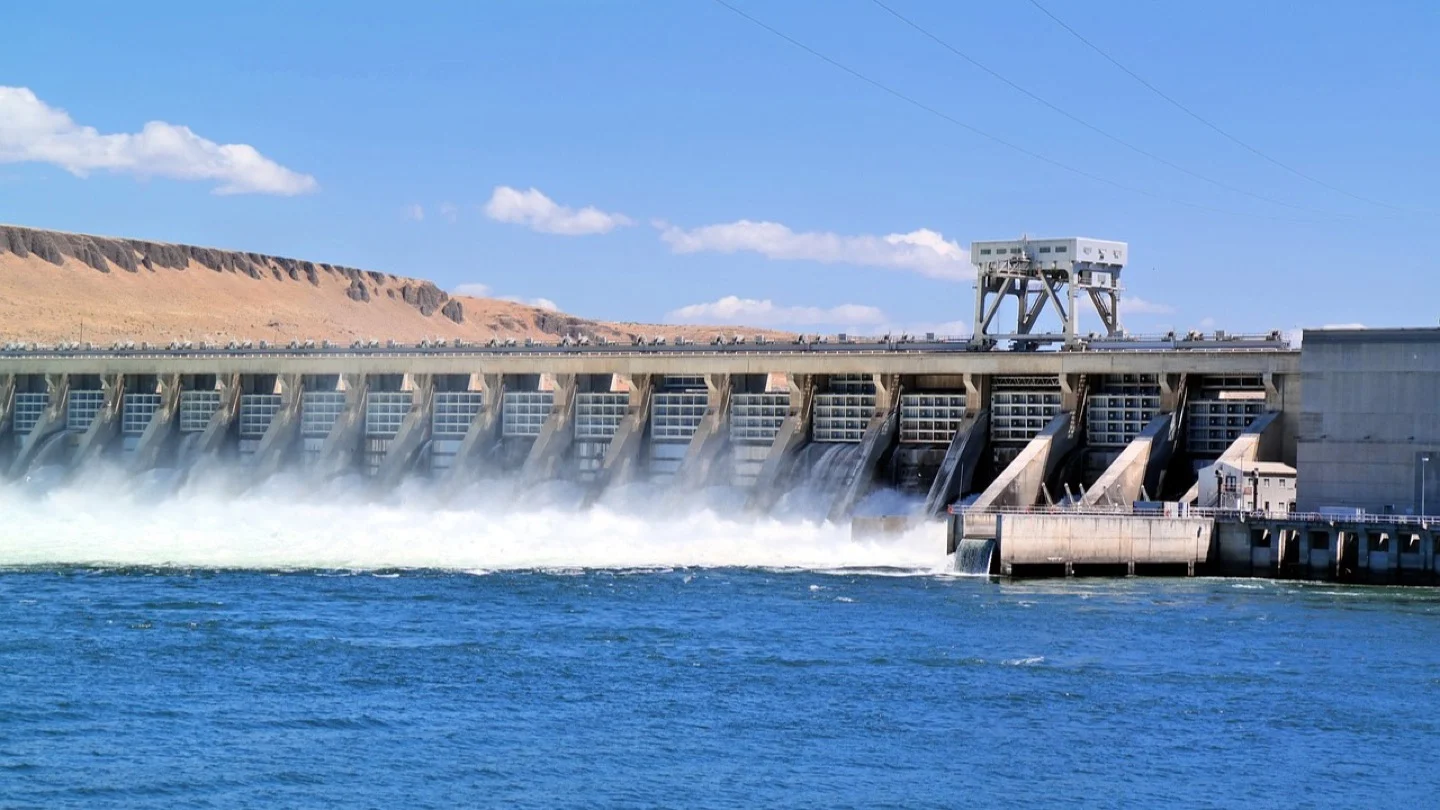
California’s additional US$268.9 million commitment brings reported state investment in Sites Reservoir to US$1.36 billion. The project is planned to store up to 1.5 million acre-feet and deliver up to 200,000 acre-feet during emergency-declared droughts. Those figures define different measures of progress: committed capital, planned capacity and a specific operating function. Construction and verified readiness remain necessary to turn the funding milestone into water delivery.
California’s latest Sites Reservoir allocation is a substantial financing milestone, but it is not yet an operating reservoir. The California Water Commission has committed an additional US$268.9 million, bringing the state’s reported total investment to US$1.36 billion. The remaining test is whether that capital produces the planned storage capacity and the project’s defined emergency-drought function.
What California’s Investment Establishes
The additional US$268.9 million is the latest increment in a cumulative state investment reported at US$1.36 billion. Keeping those figures separate shows both what the new allocation advances and the full scale of California’s public-capital commitment.
Neither figure measures completed construction or operating readiness. The allocation verifies a funding decision; it does not show how much of the reservoir has been built or whether the project can capture, store and release water as intended. Financial records must therefore remain connected to evidence of expenditure, construction status and operational readiness.
This distinction prevents public financing from being counted first as an input and then again as though it were completed capacity. Funding becomes evidence of infrastructure performance only when the funded work produces usable physical and operating capabilities.
Planned Storage and Emergency Drought Delivery
Sites Reservoir is planned to hold up to 1.5 million acre-feet of water. California describes that volume as an annual-equivalent scale sufficient to supply 4.5 million homes for a year. The comparison conveys the magnitude of the planned storage; it is not a promise of an annual allocation to those homes.
The project is also designed to deliver up to 200,000 acre-feet during emergency-declared droughts. The two figures are related but not interchangeable. Up to 1.5 million acre-feet defines the planned storage envelope, while up to 200,000 acre-feet defines a bounded service under a stated drought condition.
Nominal capacity alone cannot demonstrate that the specified drought volume will be available when an emergency is declared. That capability depends on completed works and operating arrangements that support the intended release.
From Approved Capital to Verified Delivery
Accountability should distinguish three measures: the state’s reported US$1.36 billion cumulative investment, the planned capacity of up to 1.5 million acre-feet and the intended delivery of up to 200,000 acre-feet during emergency-declared droughts. They answer different questions about how much California has committed, what the reservoir is planned to hold and what service it is designed to provide.
Combining these measures into a single claim of progress could allow a large financing headline to obscure the physical and operating capabilities that remain to be delivered.
The evidence sequence begins with approved capital, moves through expenditure and completed works, and ends with operating readiness and verified delivery under the specified emergency condition. The latest allocation establishes the first stage. Evidence of construction progress must establish the later stages, including usable storage and readiness to perform the emergency-drought function.
The Test of Public Value
The funding decision advances a planned asset of significant scale, but public value will depend on converting that commitment into water-storage performance. Sites Reservoir must become capable of capturing, storing and releasing water while supporting both its broad storage envelope and its defined emergency-drought delivery. Keeping finance, construction, capacity and operating readiness distinct preserves the connection between the state’s investment and the service the project is intended to provide.
Take-Out
California should track Sites Reservoir funding, completed capacity and emergency-drought delivery as distinct milestones within one public-capital obligation.
Questions and answers
What readers should know
- What additional infrastructure finance did California approve for Sites Reservoir?
- California approved an additional US$268.9 million.
- What total infrastructure finance does California report for Sites Reservoir?
- The state reports a total investment of US$1.36 billion.
- What capacity is Sites Reservoir infrastructure finance intended to deliver?
- The planned reservoir capacity is up to 1.5 million acre-feet.
- What household scale is associated with Sites Reservoir infrastructure finance?
- The stated annual-equivalent storage scale is enough to supply 4.5 million homes for a year.
Stay in the loop
Keep Mark and Focus in view
Hear about future publications, announcements, and relevant updates from Mark and Focus.