
Mark and Focus analysis
Silesia Secures EU Funding for Three Electric Train Purchases
Read the analysis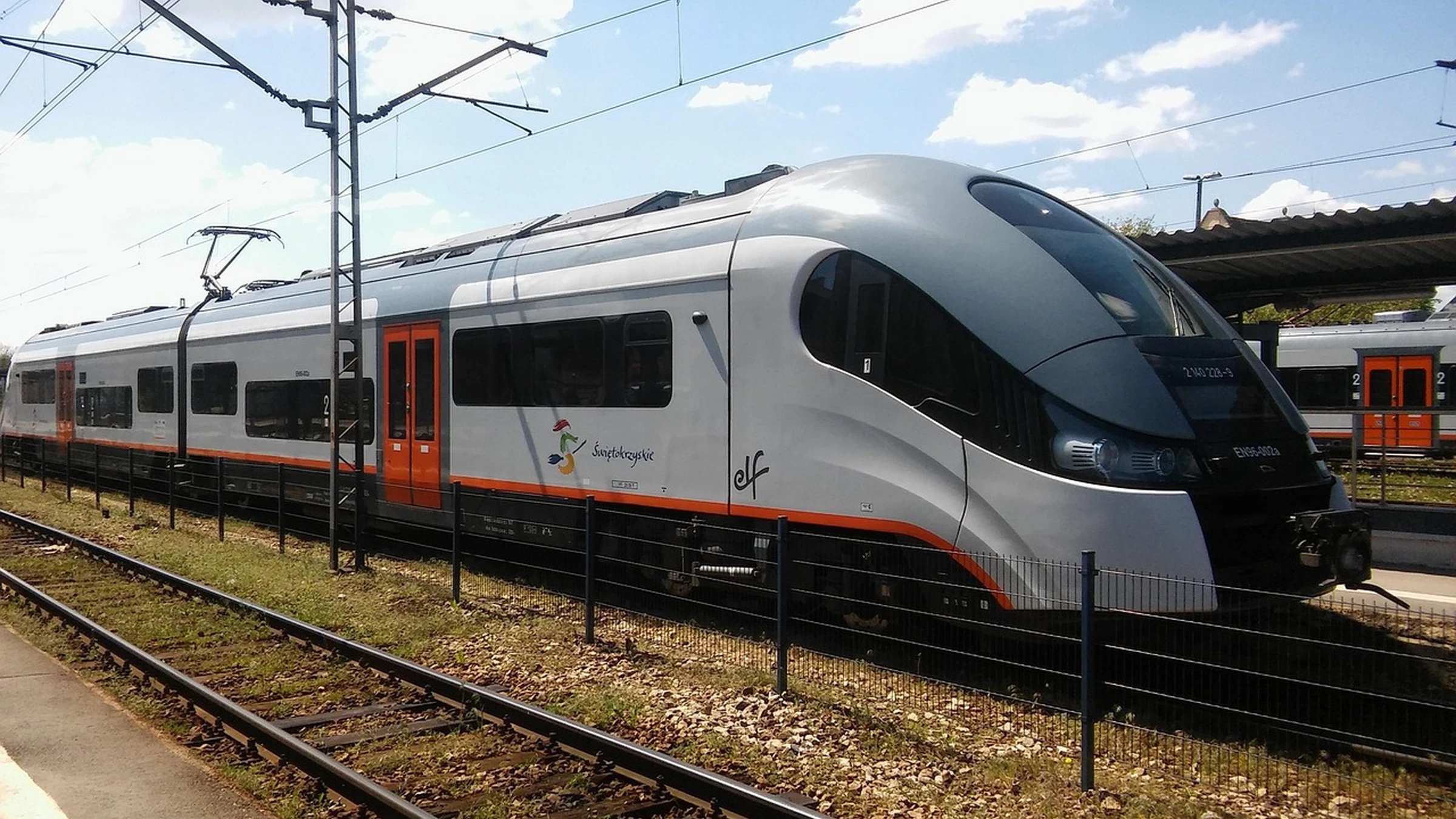
Poland’s EU transport funding center signed three agreements providing PLN 647.4 million toward 31 electric trains. Two beneficiaries will buy vehicles for metropolitan, suburban and longer regional services, with each agreement tied to a distinct fleet purchase.
A new fleet can add space on crowded suburban services, expand the number of trains available for a new route, or change what passengers can expect from a longer journey. Silesia’s three funding agreements, signed on November 10, distribute 31 electric trains among those service needs. The Center for EU Transport Projects, known as CUPT, has allocated PLN 647.4 million from the FEnIKS program toward projects valued at more than PLN 1.62 billion. The Silesian electric trains will be split between two public purchasers.
What the Grants Pay For
The funding covers around two fifths of the stated value of the projects. The balance falls to the beneficiaries. That split lets a reader distinguish the scale of the fleet investment from the contribution the European program will make toward it. It also means the organizations taking on the purchases need budgets for their own share and for the costs that follow once trains enter service.
CUPT signed agreements with two beneficiaries. The Upper Silesian and Zagłębie Metropolis, known as GZM, received PLN 321.5 million toward 16 electric multiple units. The Silesian Voivodeship received nearly PLN 326 million across two projects worth more than PLN 818 million. The broadly similar grant totals finance different portfolios.
A Fleet for Metropolitan Service
GZM plans to use its 16 trains on the developing metropolitan railway and on services associated with the Kolej+ program. The Ministry of Infrastructure says each unit will accommodate at least 380 passengers. That capacity describes the vehicle. How much room passengers gain depends on when the units operate, how many trips can be scheduled and where demand is concentrated.
Accessibility also belongs in the purchasing decision. Vehicle features are easiest to define before trains are ordered, when the beneficiary can incorporate them into the specification. Their value to passengers ultimately depends on the station and service as well. A train with accessibility features still needs to meet platforms and boarding arrangements that passengers can use.
Two Purchases for the Voivodeship
The voivodeship is buying eight trains for suburban services, including links toward the airport at Pyrzowice and journeys in the central part of the region. It is buying seven for services that extend beyond the region. Keeping these groups distinct lets the beneficiary specify vehicles against different journey patterns, even though both purchases involve electric trains.
Airport, suburban and longer journeys make different demands on the same basic asset. Boarding and alighting can matter especially on services with frequent stops. On longer trips, the way space is arranged for a sustained journey matters more. Those are reasons to read the allocation by intended service before using a total train count as a proxy for the experience passengers will get.
From a Funding Signature to a Timetable
The signed agreements establish the funding for the purchases. The service benefits will follow through later steps. Trains must be bought, accepted and assigned to operating services. Passengers will encounter the result in the timetable and in the vehicles that actually appear on their routes.
That sequence also determines which evidence can establish progress. A procurement award would identify what the beneficiary contracted to buy. A delivery or acceptance record would show which vehicles are available for operation. A timetable and fleet assignment would show which journeys gain capacity or better equipment. Because Silesia published separate service purposes at the funding stage, those later milestones can be judged against the original division of the fleet. The three-way division also helps distinguish substitution from expansion. Replacing an existing vehicle can improve reliability or access on the same journey. Additional vehicles can support more trips if the operator has the staff, track access and other resources to run them. A count of vehicles delivered cannot by itself establish which change passengers experience.
The metropolitan units are also being specified for new connections. Evaluating those services separately from replacement work will show whether the project has widened the network or improved journeys on lines it already serves.
Take-Out
The way Silesia divided its purchases ties each grant to the services it is intended to improve. The delivery record will matter most when it shows where each group of trains enters service.
Questions and answers
What readers should know
- How many trains do the grants support?
- Thirty-one electric trains across three projects.
- Who will buy the trains?
- The Upper Silesian and Zagłębie Metropolis will buy 16. The Silesian Voivodeship will buy 15.
- How much EU funding was agreed?
- PLN 647.4 million from the FEnIKS program.
- Where will the voivodeship’s trains operate?
- Eight are intended for suburban services, including airport links, and seven for services extending beyond the region.
- What did the signatures establish?
- They established funding agreements for the purchases. Delivery, acceptance and service assignment are later milestones.
Stay in the loop
Keep Mark and Focus in view
Hear about future publications, announcements, and relevant updates from Mark and Focus.