
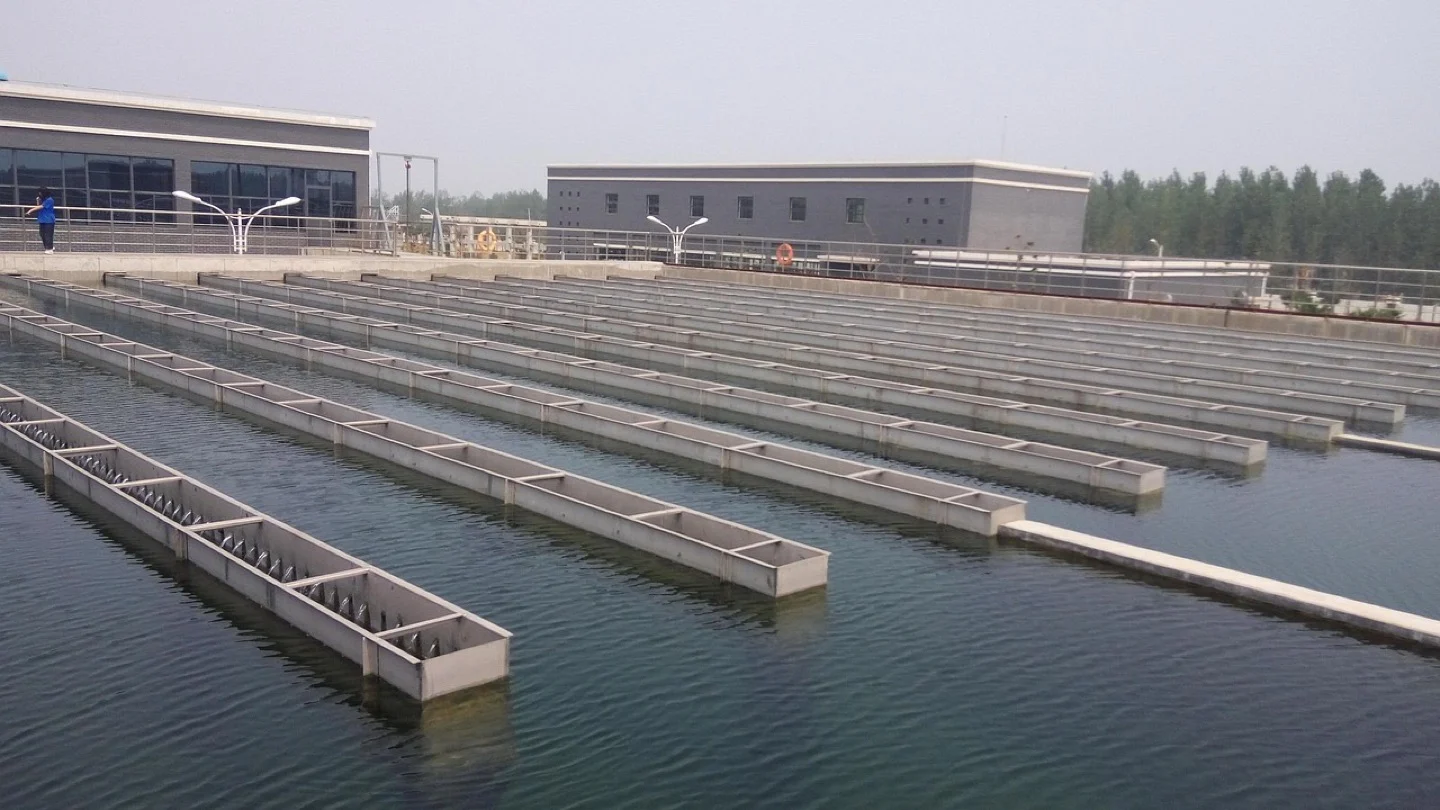
EPA's WIFIA fee waiver removes two significant costs for eligible small-community applicants: a US$25,000 application fee and a credit processing fee averaging approximately US$156,000 per loan. The waiver can save an applicant almost US$200,000 and improve access to approximately US$11 billion in available flexible financing, but financing decisions, project delivery and water-service outcomes remain separate stages.
The United States Environmental Protection Agency’s WIFIA fee waiver lowers the cost of seeking infrastructure financing for eligible small communities. By removing two charges, it can save a qualifying applicant almost US$200,000 and may widen access to approximately US$11 billion in available flexible financing. The waiver does not, however, make an application successful or turn financing into completed infrastructure.
Two waived fees produce the potential saving
The WIFIA Application Fee is US$25,000. A separate Credit Processing Fee currently averages approximately US$156,000 per loan. Together, the two waivers account for EPA’s description of the potential saving as almost US$200,000.
The charges apply at different stages. The application fee is the initial stated charge, while the larger credit processing fee is associated with the subsequent review of a prospective loan. Realizing the full stated saving depends on both fees being waived.
Eligibility focuses the reform on small communities
The application-fee waiver applies to communities with populations of 25,000 or fewer. This threshold identifies the intended beneficiary group and provides a basis for determining whether the change is reaching eligible small systems.
Program reporting should keep the two charges distinct. Recording whether each fee was waived would show whether a community received only the US$25,000 application-fee saving or realized the combined saving described by EPA.
Lower entry costs do not guarantee financing
EPA reports that approximately US$11 billion in flexible WIFIA financing is available. That financing pool and the fee waiver serve different purposes: the waiver lowers the cost of entering the process, while the financing pool represents capital that applicants may pursue. Available financing is not financing awarded to a particular community.
After avoiding the specified fees, an eligible community must still complete the WIFIA process. Its application remains subject to credit and financing decisions. If a loan is approved, the community must then move the project into delivery. The waiver can make WIFIA financing more approachable, but it does not remove the institutional work required to develop a financeable project and translate borrowed capital into infrastructure.
Results require evidence from each stage
Assessment should begin with fee records showing whether communities with populations of 25,000 or fewer received the application-fee waiver and whether the separate credit processing fee was also waived. Application and loan records can then show whether lower-cost access was followed by viable applications and financing decisions.
Neither fee savings nor the approximately US$11 billion available establishes that construction was completed or water services improved. Project delivery and service performance require their own evidence. The waiver changes the cost of seeking WIFIA financing; its wider significance depends on eligible communities securing financing and moving projects through delivery.
Take-Out
EPA should measure whether eligible communities realize the fee saving and secure financing before attributing any water-service outcome to the waiver.
Questions and answers
What readers should know
- How much can the United States Environmental Protection Agency WIFIA fee waiver save an applicant?
- EPA says the two fee waivers can save a small-community applicant almost US$200,000.
- Who qualifies for the United States Environmental Protection Agency WIFIA fee waiver?
- The application-fee waiver applies to communities with populations of 25,000 or fewer.
- What application charge does the United States Environmental Protection Agency WIFIA fee waiver remove?
- The waived WIFIA Application Fee is US$25,000.
- What processing charge does the United States Environmental Protection Agency WIFIA fee waiver address?
- The separate Credit Processing Fee currently averages approximately US$156,000 per loan.