
Mark and Focus analysis
Germany’s Rooftop Solar Awards Nearly Fill the October Auction
Read the analysis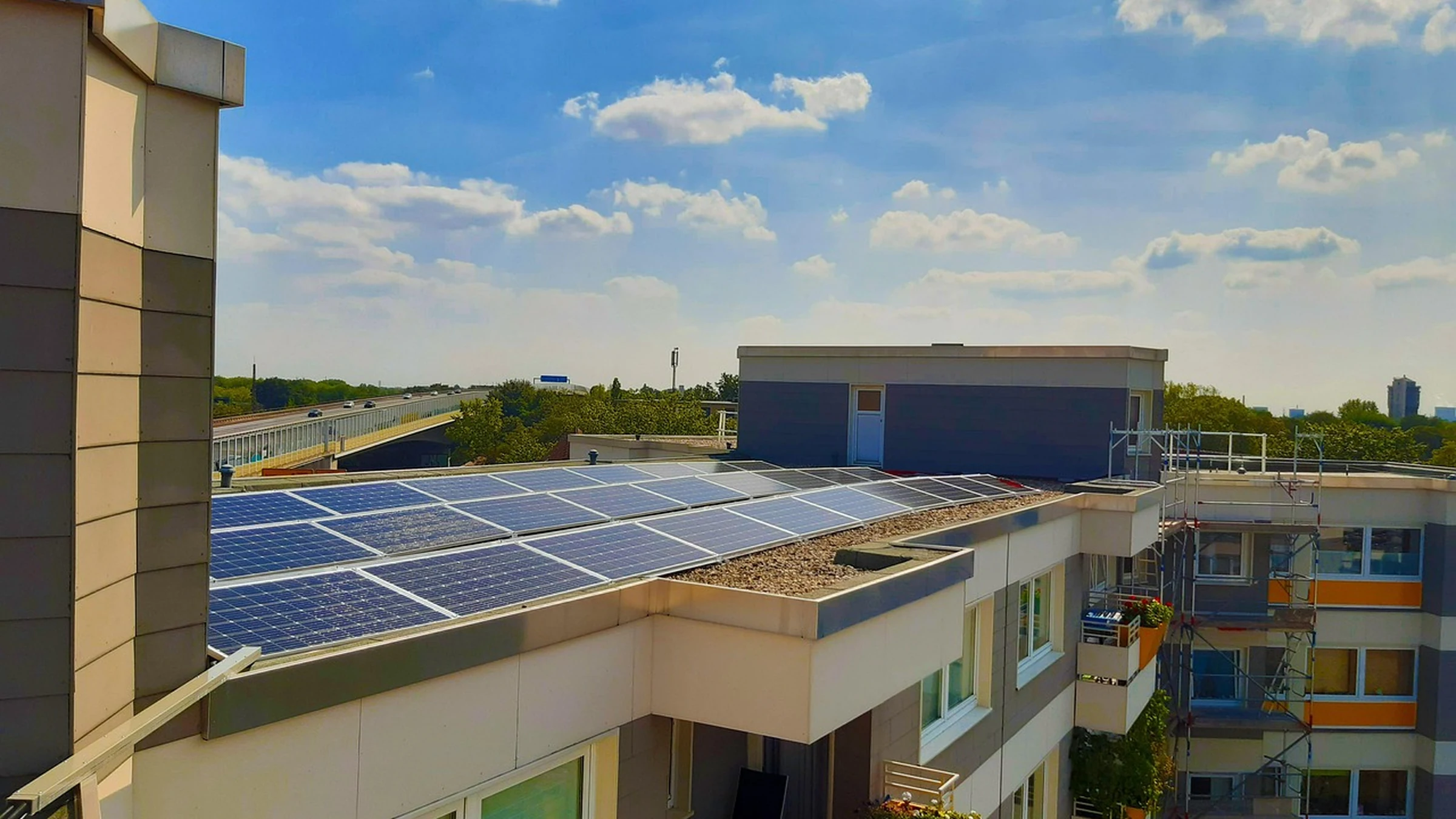
Germany’s energy regulator awarded 288 megawatts for solar on buildings and noise barriers and 319 megawatts for biomass in its October auction round. The results show how bid exclusions and auction rules affect how much capacity actually receives support.
Germany’s rooftop solar auction attracted bids for more capacity than it offered, then awarded slightly less than the target. The Federal Network Agency published the outcome on November 3 for the round with an October 1 bid deadline. The regulator offered 296 megawatts for solar on buildings and noise barriers. It received 177 bids totaling 347 megawatts, a marked increase from the 238 megawatts submitted in June. The result looked different after the regulator reviewed which bids could enter the award process.
Solar awards after bid review
The agency excluded 34 bids representing about 58 megawatts. It admitted and awarded the remaining 143 bids, totaling 288 megawatts. The application pool was larger than the offered volume, while the pool of bids eligible for support came in just below it. The agency’s release gives the exclusion totals without providing a basis for attributing the shortfall to any single cause.
The volume-weighted average award value was 9.67 euro cents per kilowatt-hour, close to June’s 9.72 cents. Individual bids secured awards between 8.50 and 10 cents. Together, the volume and price figures show increased bidding activity and a broadly similar average award value. Project delivery will determine how much of that awarded capacity eventually starts generating.
The biomass rule reduced the award volume
In the parallel biomass round, bidders offered 442 megawatts against 617 megawatts advertised. Under the rules for an undersubscribed biomass auction, awards were limited to 80 percent of the volume of eligible bids. The regulator awarded 319 megawatts after applying that limit, with 76 percent of the awarded volume going to existing facilities receiving follow-on support.
That last distinction matters when interpreting the auction as a measure of investment. An award to an existing biomass plant can support continued operation, while an award to a new installation is a step toward adding capacity. The 319-megawatt total contains both. The round shows how much support was allocated under the rules, and the split identifies how much of it was tied to proposed new facilities.
Take-Out
Auction coverage depends on the bids that survive review and the rules that set the award volume. Developers and planners should read submitted, eligible and awarded capacity as three distinct measures.
Questions and answers
What readers should know
- When did the regulator publish the results?
- On November 3, 2026, for the October 1 bid deadline.
- What could enter the rooftop solar round?
- Eligible solar installations on buildings and noise barriers.
- How much rooftop solar capacity won support?
- The regulator awarded 288 megawatts across 143 bids.
- How did undersubscription affect biomass awards?
- The rules limited awards to 80 percent of eligible bid volume, yielding awards for 319 megawatts.
- How much biomass award volume went to existing facilities?
- Existing facilities receiving follow-on support accounted for 76 percent of awarded volume.
Stay in the loop
Keep Mark and Focus in view
Hear about future publications, announcements, and relevant updates from Mark and Focus.