
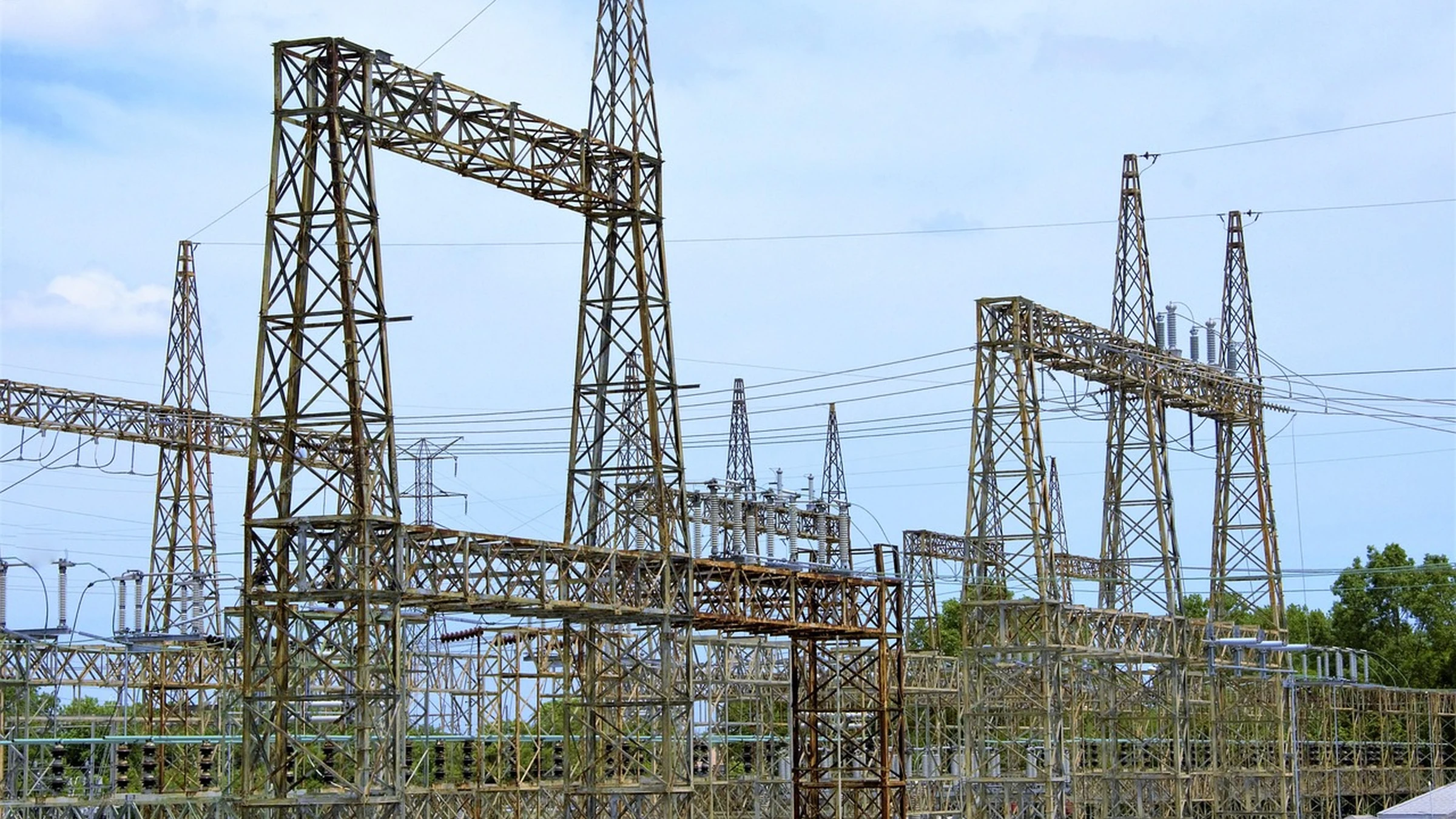
The US Department of Energy opened a roughly $967 million funding round for states, territories, and tribes on October 20. Federal rules determine the allocations, while recipients choose which projects can best reduce the disruption their communities face.
A state exposed to hurricanes and a tribe served by long, fire-prone distribution lines may both qualify for federal grid funding. They can face very different choices about how to spend it. On October 20, the US Department of Energy opened the application window for fiscal years 2025 and 2026 of the federal program for grid resilience grants to states, territories, and tribes. The announcement put the new funding at approximately $967 million. Its effect will depend on a second decision, made closer to each grid, about which work addresses the disruptions people actually experience.
The formula distributes access
The program allocates funding to states, territories and federally recognized tribes, including eligible Alaska Native corporations. The federal formula considers factors such as population, land area, the likelihood and severity of disruptions, and historical spending on mitigation. These inputs allow federal funds to reflect differences in exposure and scale without requiring every applicant to pitch a single construction project against applicants elsewhere in the country.
The October amendment covers years four and five of the five-year program. It opened a 120-day application period for existing recipients and new applicants, with submissions due February 17, 2027. The Department of Energy publishes allocations and application instructions separately. An allocation gives an eligible government a defined route to funding. How much work that allocation ultimately buys depends on the projects selected and the work those projects require.
Local selection identifies the weak point
Recipients then award funding to projects. That step brings the condition of the network and the consequences of losing service into the decision. For a line where falling trees account for many interruptions, vegetation management or stronger equipment may address the main cause. Where an exposed segment repeatedly cuts off a hospital or a large group of customers, sectionalizing equipment that isolates a fault can limit the number of people affected. Burying selected lines changes exposure to wind and falling branches, while introducing different construction costs and repair conditions.
The same measure can produce different results across networks. A switching device can help where crews have another route for restoring supply. A long radial feeder with only one supply path may require a different investment to reduce the time customers spend without power. A credible proposal therefore needs to identify the failure it is designed to prevent or contain, and to show what happens to service after that failure.
Project records make the local decisions visible
The department maintains records of awards and subawards from the program. The two records answer different questions. An award identifies a government or other eligible recipient with federal funding. A subaward can show which local project received support and the activities that recipient plans to undertake. Reading them together gives utilities and communities a way to follow the move from federal funding to a specific investment.
Even after a project is selected, the result depends on procurement, installation and maintenance. A simple way to evaluate performance is to pair the work delivered with a measure that reflects the original problem, such as customers affected by a feeder fault or the time it takes to restore power after a storm. A quiet season can make an exposed line look better than it is, so the record also needs context about the events the network faced. The central question for the new funding round is where the projects change what happens when the next disruptive event reaches the grid.
Take-Out
The formula distributes access to federal funding. Local project selection determines whether that money goes to the lines, equipment, and communities where it can reduce the consequences of outages.
Questions and answers
What readers should know
- How much additional funding did DOE announce?
- Approximately $967 million under the Grid Resilience State and Tribal Formula Grants program.
- Who can apply?
- Eligible states, territories and federally recognized tribes, including eligible Alaska Native corporations, can apply under the program rules.
- When does the application window close?
- The Department of Energy lists February 17, 2027, at 11:59 p.m. Eastern Standard Time.
- What determines allocations?
- The formula considers factors including population, land area, disruptive-event risk and severity, and historical mitigation expenditure.
- Where can readers follow specific investments?
- DOE publishes program awards and subaward records. The latter can identify the projects that recipients selected.
Stay in the loop
Keep Mark and Focus in view
Hear about future publications, announcements, and relevant updates from Mark and Focus.