
Analysis on how institutions, utilities, regulators, and cities govern water risk, infrastructure decisions, resilience priorities, and long-term public value.
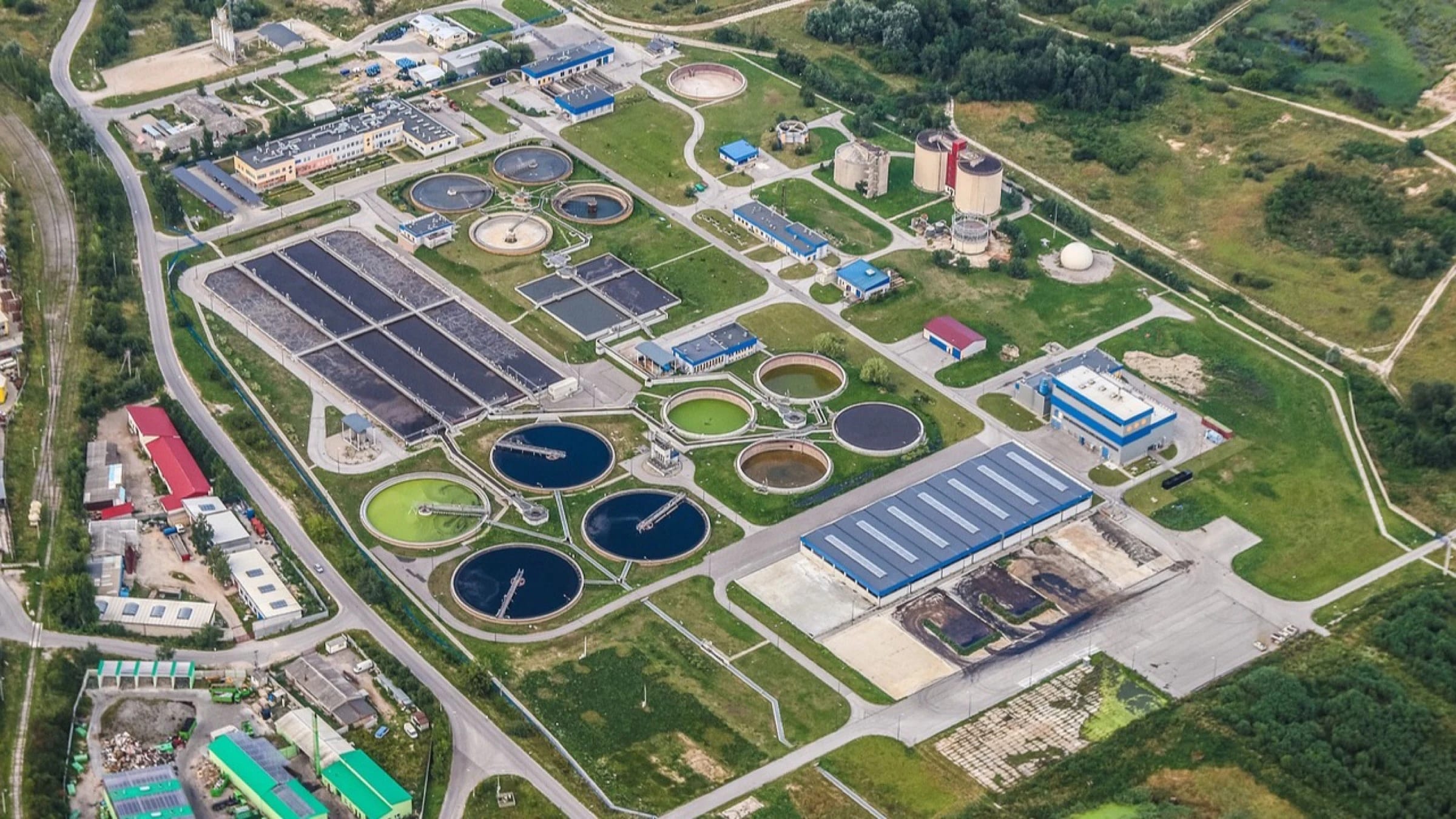
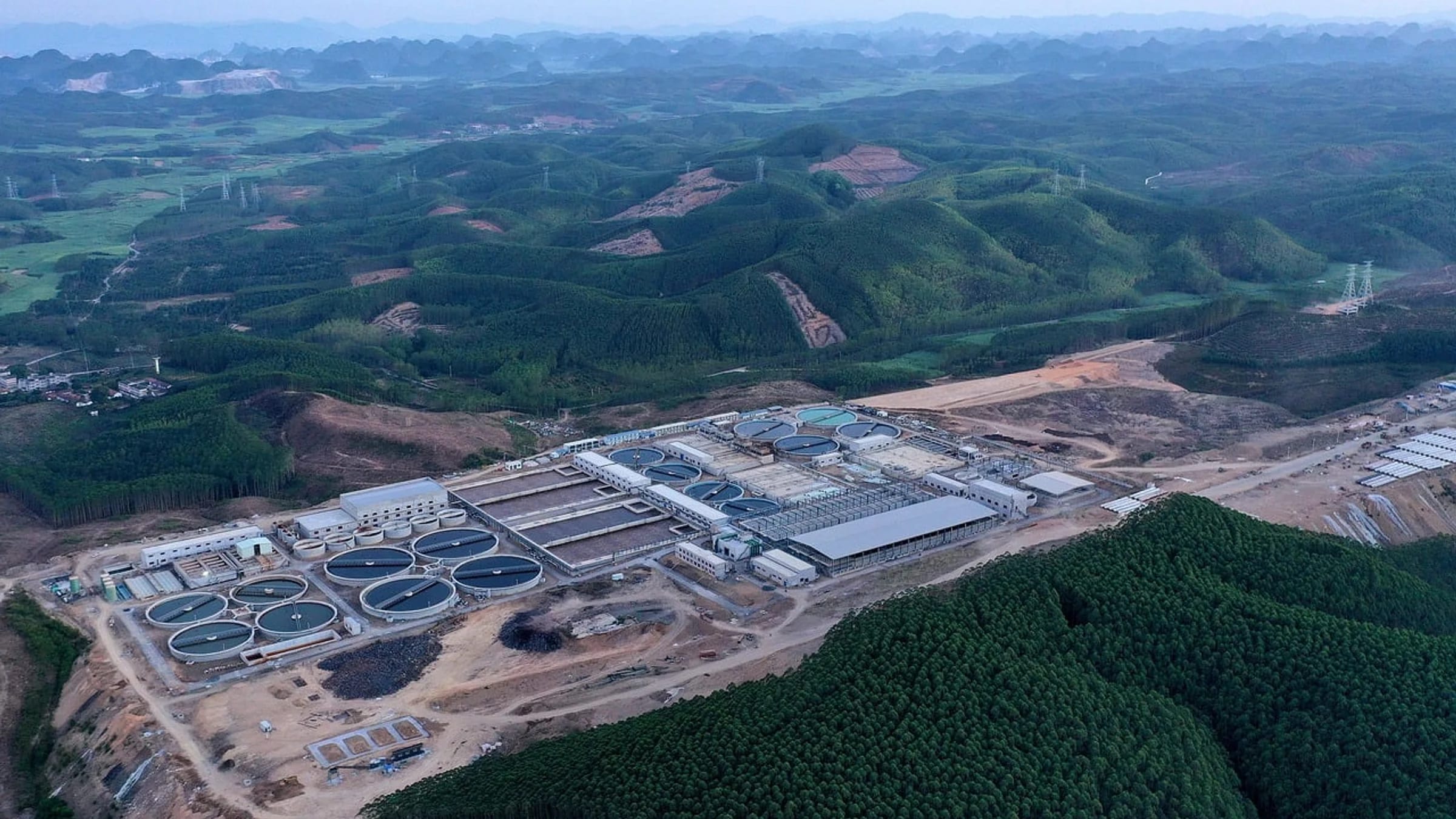
Urban water systems face increasing pressure from population growth, aging infrastructure, and more frequent drought conditions. Water suppliers must reduce waste, improve system performance, and diversify supply sources to maintain reliable service.…
Industrial water demand is rising as semiconductor manufacturing, data centres, pharmaceuticals, and advanced manufacturing expand. Water-intensive industries can place pressure on finite supplies, especially in regions with limited freshwater resources and growing…
Urban water systems face persistent funding gaps due to rising demand, aging infrastructure, and climate pressures. Traditional public finance often cannot meet capital needs at the required pace or scale. This challenge…
Urban water systems face rising pressure from population growth, climate variability, and stronger competition for finite supplies. Utilities and governments now need water sources, planning tools, and governance settings that can perform…
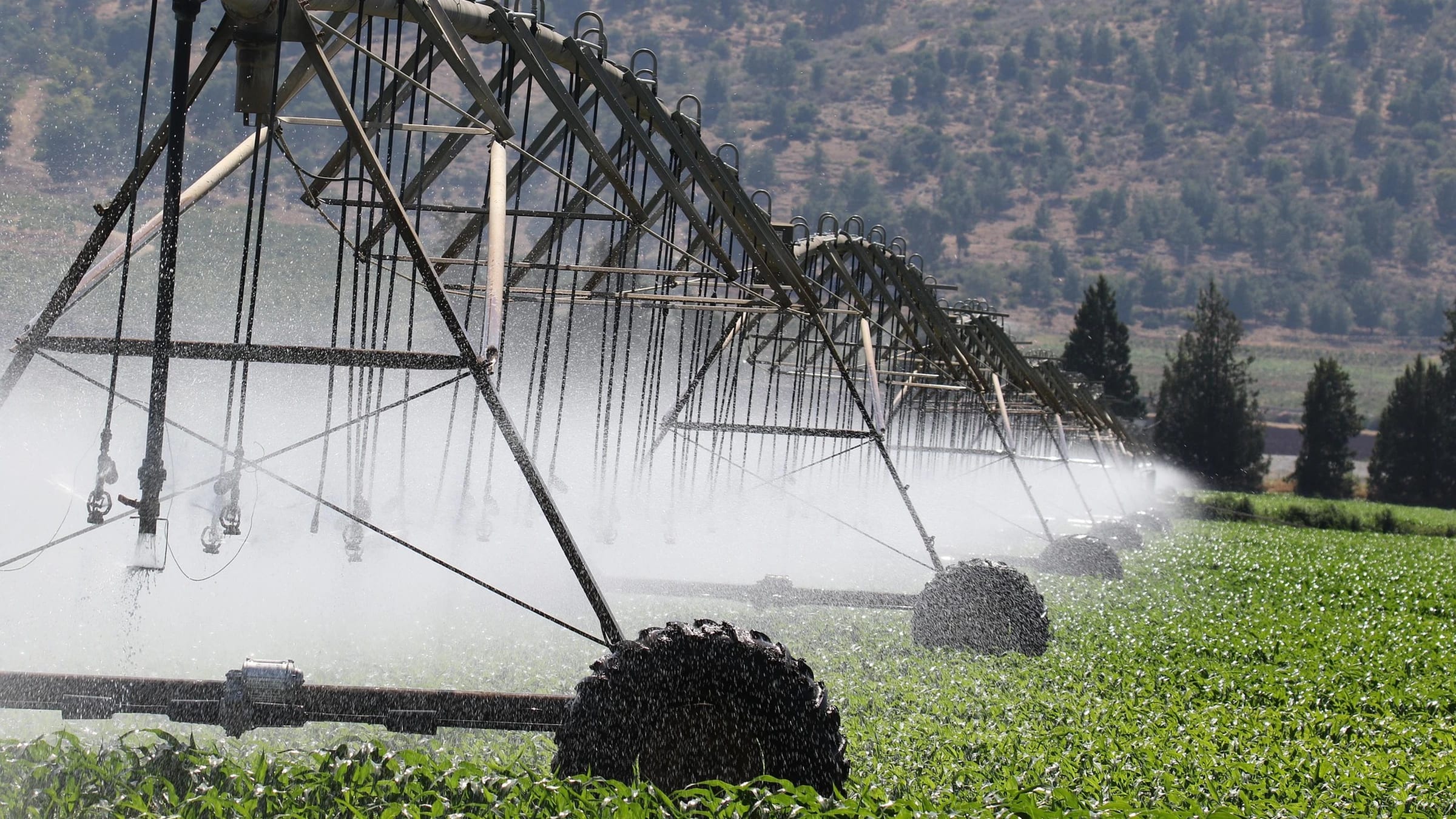
Water scarcity and agricultural demand are placing increasing pressure on freshwater systems worldwide. Wastewater Reuse (WWR) offers a system-level response that secures irrigation supply while reducing environmental discharge risks. This approach strengthens…
Water scarcity and agricultural demand place sustained pressure on arid food systems. Digital oversight is increasingly required to balance productivity with conservation at scale. Artificial Intelligence (AI) enables the measurement, analysis, and…
Water governance and policy determine how rapidly expanding digital infrastructure manages its rising demand for reliable cooling water and low-carbon electricity. As data centre capacity increases, weak coordination between land use planning,…