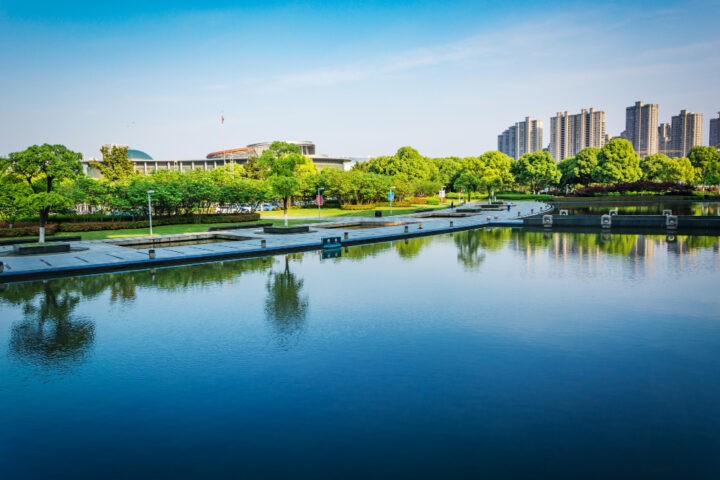
Los Angeles County’s Safe, Clean Water Program demonstrates how dedicated stormwater funding can support water quality, local supply, and community resilience. Its governance framework combines technical review, watershed planning, adaptive management, and accountability mechanisms.
Artificial intelligence is helping water utilities identify hidden leaks, improve operational efficiency, and reduce water losses. Thames Water’s partnership with Origin Tech demonstrates how AI-driven satellite detection can support more sustainable infrastructure management.
Nature-Based Solutions are helping cities improve water quality, restore ecosystems, and strengthen resilience. The Soet River Catchment Management Forum in Cape Town demonstrates how pollution control, community stewardship, and ecological rehabilitation can work together to improve urban river health.
Urban flooding is intensifying as climate change and urban densification increase pressure on drainage systems. Explore how Melbourne’s Elster Creek Catchment Flood Management Plan integrates infrastructure, governance, and land use planning to strengthen long-term urban resilience.
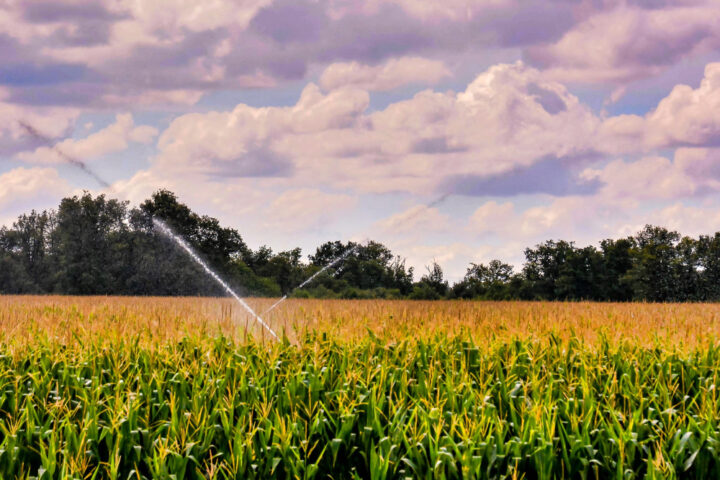
Climate-smart irrigation and agricultural rebate programs are becoming critical tools for managing drought and rising water demand. Explore how San Diego County Water Authority combines smart irrigation technologies, recycled water incentives, and adaptive rate structures to strengthen long-term agricultural water resilience.
Renewable-powered desalination is emerging as a key solution for strengthening urban water resilience in climate-stressed regions. Discover how Dubai’s Hassyan Seawater Reverse Osmosis Project combines clean energy, advanced membrane technology, and integrated infrastructure planning to support long-term water security.
Sydney Water’s Recover, Recycle and Reuse programme demonstrates how Circular Water Economy (CWE) systems strengthen urban resilience through recycled water, renewable energy generation, and biosolids recovery.
Urbanisation places sustained pressure on aquatic and terrestrial ecosystems within catchments, reducing habitat quality and fragmenting biodiversity networks. Integrated biodiversity planning frameworks address these pressures by aligning land, water, and ecosystem management…
Urban water systems face increasing pressure from population growth, aging infrastructure, and more frequent drought conditions. Water suppliers must reduce waste, improve system performance, and diversify supply sources to maintain reliable service.…
Industrial water demand is rising as semiconductor manufacturing, data centres, pharmaceuticals, and advanced manufacturing expand. Water-intensive industries can place pressure on finite supplies, especially in regions with limited freshwater resources and growing…