
Mark and Focus analysis
BRICS Has Built Four Environmental Frameworks—Now It Needs a Work Programme
Read the analysis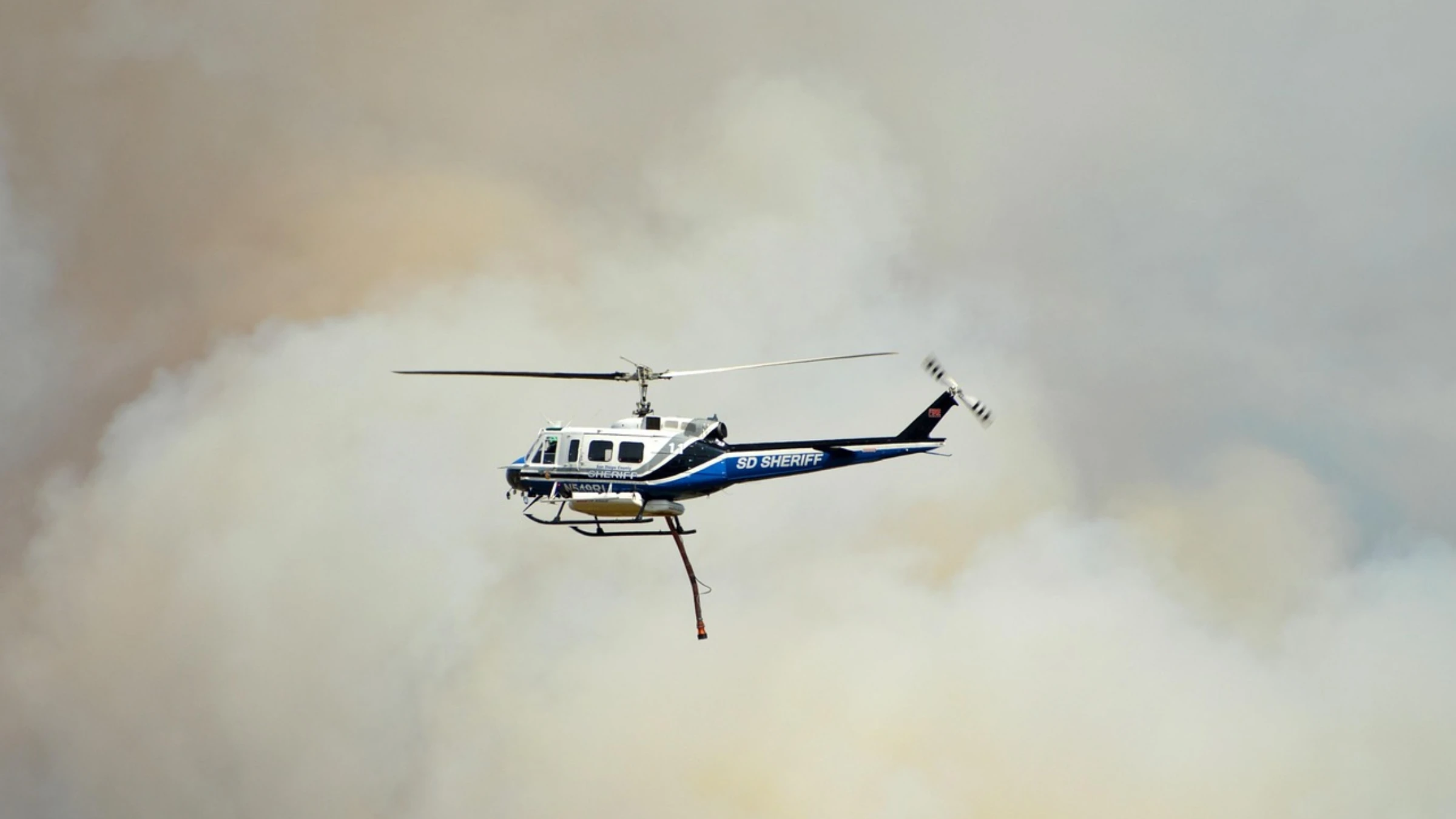
BRICS environment ministers adopted four outcome documents and launched four knowledge compendiums in New Delhi. The package creates cooperation architecture across sustainable lifestyles, landscapes, forest fires and community-based adaptation.
The 12th BRICS Environment Ministers’ Meeting concluded in New Delhi on 18 August with a joint ministerial statement, four outcome documents and four knowledge compendiums. The outcome documents cover sustainable lifestyles, integrated landscape management, forest-fire preparedness and community-based climate adaptation built on traditional knowledge. The compendiums separately assemble member experience on sustainable lifestyles, integrated fire management, landscape greening, and extended producer responsibility and circular economy practices.
This is more structured than a general declaration of environmental cooperation. One outcome establishes terms of reference for a network of institutions. Three others set common principles or understanding around connected operational challenges. The compendiums collect member experience intended to support exchange.
The package nevertheless remains cooperation architecture. It becomes an implementation system only when members assign institutions, activities, resources and evidence to each lane.
Four lanes need different delivery mechanisms
The proposed network for sustainable lifestyles is an institutional mechanism. It needs a membership model, a secretariat or coordinating function, a research agenda and a way to decide which knowledge is transferable between very different economies.
The landscape-management principles are a decision framework. Their value will depend on whether they influence land-use plans, restoration portfolios and investment screening. Principles can align language while leaving national decisions unchanged unless ministries and finance institutions incorporate them into their procedures.
Forest-fire preparedness is operational. Cooperation could include shared training, early-warning methods, mutual assistance protocols, after-action review and standards for reporting resources and fire status. These activities need interoperability and clear activation rules, especially where fires cross borders or smoke affects neighboring states.
Community-based adaptation and traditional knowledge require a governance safeguard. Participation should not be reduced to consultation after a project is designed. Communities and knowledge holders need authority over how knowledge is used, how consent is obtained and how benefits and risks are distributed.
Treating the four documents as one program would obscure those differences. BRICS needs a common accountability frame that preserves the distinct delivery logic of each lane.
Knowledge exchange should start with conditions
The four compendiums can shorten learning if they record more than success stories. A practice that worked in one member may depend on public finance, legal authority, local institutions, ecosystem conditions or technology that another member does not share.
Every case should therefore state the problem, starting condition, intervention, responsible institution, resources, evidence and limitation. That structure lets another government judge whether the mechanism is transferable, needs adaptation or should not be used.
The strongest network product may be a library of conditions and failure modes rather than a catalog of celebrated projects. Forest-fire systems, for example, can compare how alerts lead to decisions, how crews and aircraft are allocated and how prescribed burning is governed. Landscape programs can compare land tenure, monitoring and stewardship. Adaptation cases can show where community authority changed project design.
A work program can turn principles into tests
The next step should be a public work program for 2026–2027. For each outcome, it could identify a lead institution, participating members, two or three deliverables, finance, a timeline and a reporting point.
Deliverables should be concrete enough to fail. A forest-fire lane might run a cross-border simulation and publish an after-action review. The institutional network might produce a joint research protocol and complete a first comparative study. The landscape lane might test a common screening framework on named programs. The adaptation lane might publish consent and benefit-sharing safeguards developed with participating communities.
Failure is useful when the program records it. A delayed exchange, incompatible dataset or weak participation process reveals what cooperation must fix. A ministerial package that reports only activities completed will create a ceremonial record rather than an operating one.
Scale makes comparability difficult—and valuable
BRICS spans countries with very different legal systems, fiscal capacity, ecosystems and exposure. That diversity makes a uniform environmental model unrealistic. It also creates analytical value if shared evidence allows members to compare mechanisms without claiming identical outcomes.
Common indicators should therefore be narrow and functional. Did an early warning reach the responsible authority in time? Did a landscape program retain baseline and follow-up condition data? Did community participation alter a funded decision? Did the institutional network produce work used by a member government?
These questions focus on the cooperation mechanism rather than ranking national environmental performance through a blunt composite score.
The New Delhi outcome gives BRICS a stronger environmental structure than a single communique. Its test is now institutional: whether four frameworks and four compendiums generate a traceable sequence of joint work. Cooperation becomes capability when named organizations use shared knowledge to change a decision, improve preparedness or strengthen implementation—and when the group is willing to show the record.
Take-Out
BRICS has defined four cooperation lanes; credibility now depends on named institutions, funded activities, shared evidence and dates for testing what members implement together.
Questions and answers
What readers should know
- What was adopted in New Delhi?
- A joint ministerial statement comprising four outcome documents, alongside four knowledge compendiums.
- What do the outcome documents cover?
- An institutional network for sustainable lifestyles, integrated landscape management, forest-fire preparedness and community-based climate adaptation using traditional knowledge.
- Are these binding common rules?
- The available official record presents cooperation terms, principles and common understanding, not a supranational enforcement regime.
- What is the immediate implementation need?
- A work program with lead institutions, funded deliverables, dates and evidence requirements for each cooperation lane.
- How should knowledge transfer be judged?
- By whether cases disclose the conditions, authority, resources and limitations needed for another member to adapt them responsibly.
Stay in the loop
Keep Mark and Focus in view
Hear about future publications, announcements, and relevant updates from Mark and Focus.