
Mark and Focus analysis
England’s Wildfires Show Why Peatland Resilience Is an Operating System
Read the analysis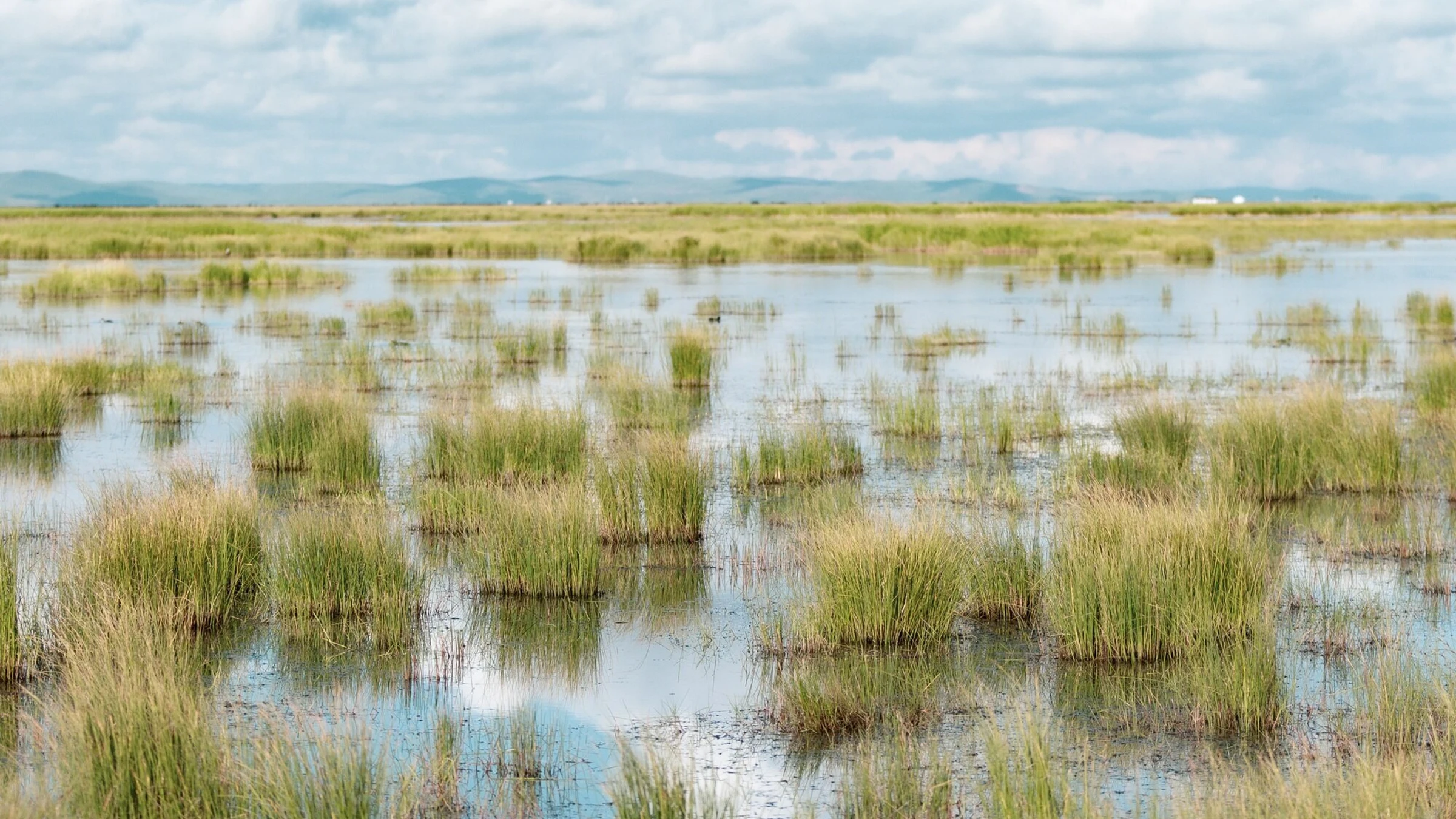
Natural England recorded more than 240 wildfires on protected sites in 2026 and reported a restored peatland bund slowing fire spread. The evidence points to a resilience system combining hydrology, vegetation, prevention, access and emergency coordination.
England’s 2026 wildfire season has given nature-based resilience an immediate operating context. Natural England reported on 10 August that more than 240 wildfires had occurred during the year on Sites of Special Scientific Interest. A Peak District fire affected about 1,500 hectares, while a later fire at Dunwich Heath covered roughly 150 hectares and required more than 100 firefighters at its height.
Within that record is a specific observation: bunding at The Roaches in the Peak District, used to hold water on valued peatland, played a key role in slowing the spread of a wildfire. The observation is not a controlled trial and should not be expanded into a universal claim. It does show the mechanism that restoration is intended to create under the condition that matters—fire moving across a dry landscape.
Wetness changes the fuel environment
Degraded peatlands lose water through drainage, erosion and damaged vegetation. Dry peat and vegetation can carry fire and allow combustion to penetrate below the surface, where it becomes difficult to extinguish and can release stored carbon. Rewetting raises water levels, supports peat-forming vegetation and makes the landscape less receptive to fire spread.
Stone dams and bunds work by slowing drainage and retaining water. Their performance depends on location, construction, peat condition and maintenance. A bund can fail, overtop or redirect water in an unintended way. Vegetation can recover unevenly. The appropriate claim is therefore conditional: maintained restoration can increase wetness and reduce flammability in parts of a landscape, while extreme conditions and ignition can still produce damaging fires.
Evidence from Wales reinforces that interpretation. After a 2025 fire at Llyn Gorast, Natural Resources Wales observed green pools and surviving sphagnum in a rewetted area while surrounding ground was scorched. The agency described the restored area as acting as a natural firebreak. Earlier research reviewed for the UK government also found that drained peatland in Scotland’s Flow Country experienced poorer post-fire water-quality outcomes than undrained sites, suggesting that hydrological condition affects damage after ignition as well as fire behavior.
Restoration cannot carry prevention alone
Virtually all UK wildfires are caused by people, according to Natural England’s current account. Rewetting does not remove ignition sources. It must operate alongside visitor management, restrictions during high-risk periods, visible wardens, public information and enforcement.
Vegetation management introduces another layer. Grazing, cutting and broadleaved firebreaks can reduce or interrupt fuel. These practices need ecological judgment: a measure intended to reduce fire risk should not damage the habitat whose recovery supplies long-term resilience. Short-term firebreaks and long-term ecosystem restoration are related but different interventions.
Access also matters. Fire and rescue teams need mapped routes, water, site information and knowledge of hazards. Natural England describes emergency plans for high-risk reserves, trained staff and specialist equipment. In Dorset, partners use a shared notification group, coded access points and QR codes to help emergency services reach the right location. Those arrangements are administrative infrastructure built around the landscape.
Fire creates downstream water consequences
The system extends beyond the burned site. Intense fire can leave soil that repels water. Subsequent rain then carries ash, sediment and eroded material into streams. Natural England notes that more than 70 percent of drinking water comes from upland areas, making post-fire runoff relevant to treatment costs and water quality.
Peatland restoration can therefore provide several functions: retaining water before fire, slowing spread, reducing burn severity and limiting erosion afterward. Each function needs its own evidence. A fire stopping at a wet boundary is direct incident evidence for spread at that place. Lower sediment at a downstream intake would require water-quality monitoring. Carbon claims require measurements or defensible models of avoided loss and recovery.
This separation prevents co-benefits from becoming a bundle of assumed success. It also helps direct investment. Areas that protect water supplies or critical infrastructure may justify different monitoring and maintenance priorities from remote sites whose principal value is habitat condition.
Learn from every incident
Natural England has established a Wildfire Project Group and is working with Defra, the Forestry Commission and Environment Agency on coordinated planning and response. Its strongest contribution could be a common incident-learning record.
For each significant fire, land managers could retain ignition, weather, peat condition, vegetation, restoration history, suppression access, fire progression and post-fire water evidence. Comparison across restored and degraded areas would gradually improve decisions about where bunding, rewetting, vegetation management or access investment has the greatest value.
The goal is not to claim that healthy peatland is fireproof. It is to build landscapes and institutions that are less likely to carry fire, easier to defend and better able to recover. England’s current fires show that nature-based wildfire resilience is neither a single restoration project nor a substitute for emergency management. It is an operating system whose ecological and institutional parts have to work together before, during and after an incident.
Take-Out
Peatland restoration reduces wildfire risk most credibly when wetness, vegetation, access, prevention and incident evidence are managed as one continuing system.
Questions and answers
What readers should know
- What did Natural England report in August 2026?
- More than 240 wildfires on protected sites during the year and a restored peatland bund at The Roaches helping to slow fire spread.
- How can peatland restoration affect wildfire?
- Rewetting retains water, supports peat-forming vegetation and can make fuels and peat less receptive to fire spread and deep combustion.
- Does rewetting prevent all fires?
- No. Human ignition, extreme weather, vegetation and site condition remain important, and restoration must work with prevention and emergency response.
- Why are water utilities part of the story?
- Fire can increase erosion, ash and sediment runoff from upland source areas, affecting raw-water quality and treatment burdens.
- What evidence is needed next?
- Comparable incident records linking restoration history and peat condition to fire progression, suppression, ecological damage and post-fire water outcomes.
Stay in the loop
Keep Mark and Focus in view
Hear about future publications, announcements, and relevant updates from Mark and Focus.