
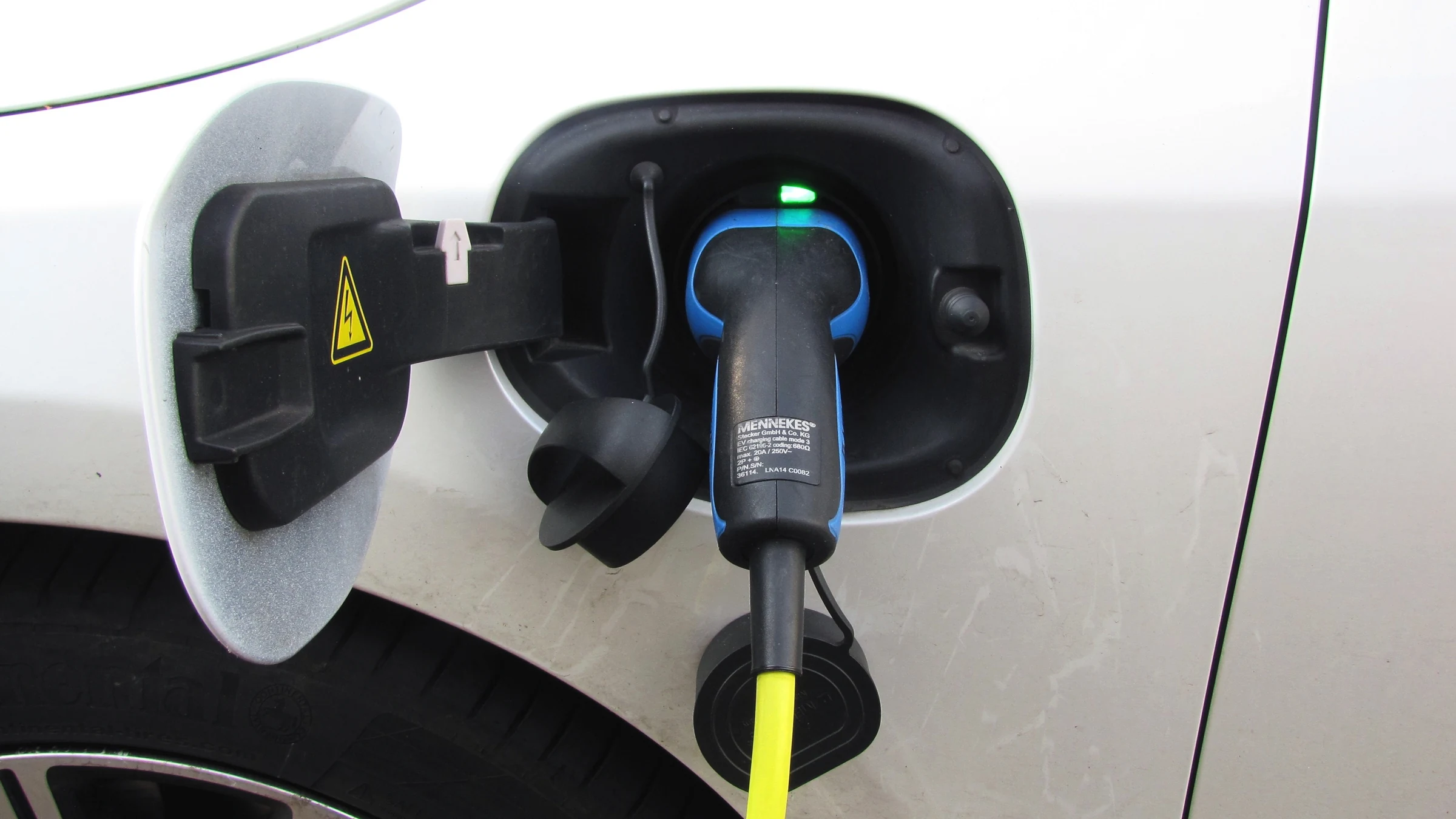
Germany’s MiSpeL decision allows storage and bidirectional charging to combine solar and grid electricity through defined accounting options. The change protects eligible support while requiring operators to distinguish electricity used locally from electricity returned to the grid.
A battery can hold electricity from a rooftop solar array and from the grid, but support and network charges depend on where that electricity came from and where it goes. Germany’s Bundesnetzagentur adopted MiSpeL on October 1 to provide accounting rules for that mixed use, including bidirectional charging points.
One Battery, Different Accounting Treatments
Previously, retaining renewable-energy support required strict separation of green electricity and grid electricity in storage. The new decision creates a route for market-active storage and charging points to retain eligible support for stored renewable electricity while recognizing grid electricity that is later returned to the network. It does not make every kilowatt-hour in the battery renewable.
That distinction affects two separate cash flows. Eligible renewable electricity can continue to receive support after storage. Qualifying grid electricity returned to the network can receive relief from certain levies and network charges. Electricity drawn for ordinary household or business consumption remains chargeable. The regulator’s background paper also specifies that the rules concern direct marketing, rather than users receiving the fixed feed-in tariff.
Measured Allocation or a Simplified Option
The allocation option is available across installation types and sizes. It uses measured flows and formulas to distinguish electricity generated locally, drawn from the grid, stored and consumed. The background paper describes quarter-hourly recording and a separate meter, while identifying special cases in which one meter is sufficient. The accounting follows the installation’s actual configuration.
A simplified option is offered for smaller solar installations up to 30 kWp, including household and small-business storage or bidirectional wallboxes. Its purpose is to avoid requiring the more elaborate metering arrangement for a common configuration. One quarter-hourly meter at the connection can be enough, with standardized treatment of eligible quantities.
Simplification comes with limits. The background paper identifies an eligibility threshold of 500 kWh per kWp for the standardized renewable allocation and an intermediate range designed to prevent unsupported additional relief. Those rules are intended to keep an easier calculation from turning into a subsidy for quantities that do not warrant the same treatment.
Returning Power Differs From Driving on It
For a bidirectional charger, the relevant distinction is between electricity returned to the grid and electricity consumed for driving. Relief associated with return flows does not remove charges on electricity used to power the vehicle. The background paper also excludes renewable support for identifiable electricity charged elsewhere, such as at an employer, and later fed back through the home charger.
The regulator treats the charging point as the accounting location rather than requiring a separate market measurement system inside each car. That can make participation easier across compatible vehicles. It still leaves a need for equipment, metering and commercial arrangements capable of operating the chosen option; the decision is not evidence that every existing wallbox already supplies that capability.
Implementation Runs Through September 2027
Grid and metering operators have a transition period through September 30, 2027 to establish the necessary processes. Using the options during that period requires their agreement. The simplified option also awaits European Commission state-aid approval of its legislative basis. Adoption of the decision therefore does not mean unrestricted immediate access to both routes.
For prospective participants, the useful first question is which allocation route fits the installation and its market arrangements. Expected savings then need to reflect the applicable support, charges and implementation conditions. MiSpeL removes an accounting barrier to mixed use; the value for an individual battery or charger comes from applying those distinctions correctly.
Take-Out
MiSpeL makes mixed-use storage possible through allocation rules. The commercial opportunity still depends on the chosen metering option, market participation and the implementation conditions that remain in force.
Questions and answers
What readers should know
- What Did Germany Adopt?
- MiSpeL, a decision on market integration of electricity storage and charging points, adopted on October 1, 2026.
- Can Solar and Grid Electricity Share Storage?
- The decision creates accounting routes for mixed use while preserving support only for eligible renewable quantities.
- Who Can Use the Simplified Option?
- It is aimed at smaller solar installations up to 30 kWp with relevant storage or bidirectional charging configurations, subject to the detailed conditions.
- Does Returned Grid Electricity Receive the Same Treatment as Driving Electricity?
- No. The regulator distinguishes electricity returned to the network from electricity consumed for driving and ordinary local use.
- Can Both Options Be Used Immediately Everywhere?
- No. During the transition through September 2027, grid and metering operator agreement is required. The simplified option also requires state-aid approval of its legislative basis.
Stay in the loop
Keep Mark and Focus in view
Hear about future publications, announcements, and relevant updates from Mark and Focus.