
Mark and Focus analysis
Klungkung’s Waste Products Need a Buyer Beyond the Processing Site
Read the analysis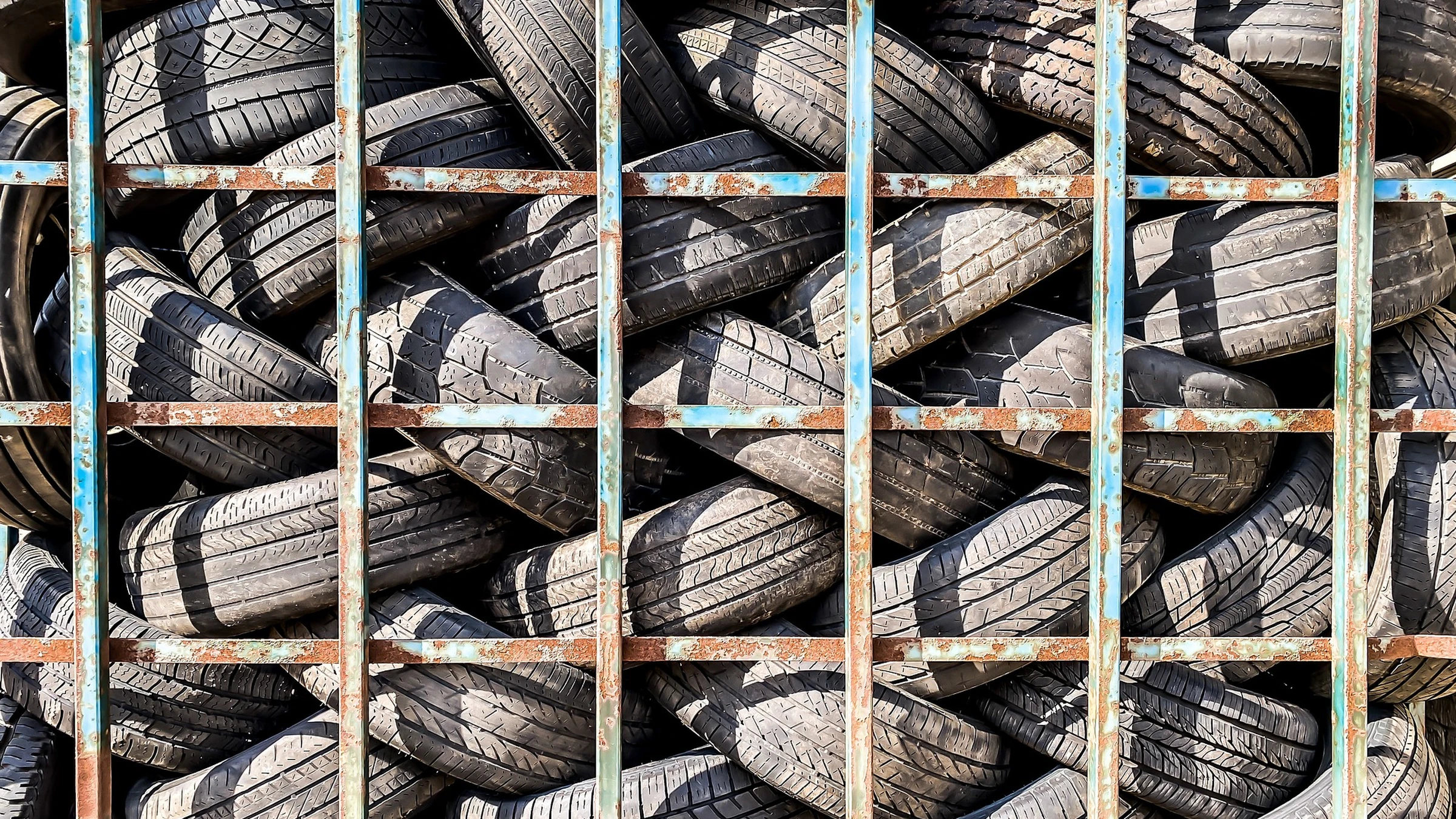
Indonesia’s environment ministry has offered to connect Klungkung’s processed waste products with industrial buyers. The intervention shifts attention from producing an alternative fuel to selling it reliably, with transport costs and evidence of plant performance still consequential.
Klungkung’s TOSS Center Gema Santi has brought Indonesia’s waste fuel discussion to the point where a product must find a customer. During an October 3 visit to the Bali facility, the environment minister offered to help connect local processors with large industrial buyers. The proposed intervention addresses a specific obstacle: a district can operate processing equipment yet struggle to sell the resulting material on terms that sustain the service.
Processing has moved through trials
The center at Karangdadi in Kusamba is an existing local waste-management site. Klungkung’s June accounts describe the assembly and testing of pyrolysis equipment, including a smaller unit reported to handle 750 kilograms per cycle of about ten hours. One trial used discarded truck tires; another used refuse-derived fuel. Those accounts establish that material was processed in trials, rather than merely identifying equipment proposed for a future site.
The distinction remains useful in October. The ministry describes seeing pyrolysis, which heats material without oxygen to produce alternative fuel, alongside compressed organic material that could substitute for coal. It does not publish a continuous operating record, a current daily throughput or independently verified fuel-quality results. The earlier municipal capacity projections therefore should not be presented as demonstrated October output.
Separate trial accounts also show why equipment counts are an incomplete measure of readiness. Assembly included cooling and downstream processing components. The municipality sought emissions testing and local training while investor personnel helped guide operation. A machine can be present before the district has all the evidence and skills needed to run it routinely.
The proposed national contribution is a market connection
Environment Minister Moh Jumhur Hidayat said the ministry could communicate with potential buyers when local producers encounter sales difficulties. He also said buyers had approached the ministry asking where suitable products could be obtained. That gives the public institution a possible matching role between dispersed district producers and larger industrial customers.
A match is different from an order. The October account names no concluded sales agreement, guaranteed quantity or realized price. Its significance lies in making the buyer problem explicit and offering a way to address it, rather than proving that the commercial route is complete.
For a processor, that route needs to describe what the customer is buying. Liquid fuel and compressed organic material are different products, and a buyer’s usable input is more specific than the general label alternative energy. The transaction needs an agreed description of acceptable material, quantities and delivery. These are commercial questions raised by the proposed connection; the ministry’s account does not resolve them for Klungkung.
Bali’s distance enters the business calculation
The minister specifically identified the distance from Bali to industrial centers in Java as a challenge. His suggested response was to combine processing volumes from several districts so that larger output could lower unit costs. It is a proposal for the business calculation, not evidence of savings already realized.
Aggregation can make a shipment more attractive when the additional volume spreads costs across more saleable material. It also asks participating districts to deliver products that can be combined and sold. A larger nominal output does not settle whether every batch is acceptable to the same customer or whether freight leaves enough revenue to support processing.
The useful figure is consequently the cost of an accepted product delivered to its buyer, rather than its value at the processing gate alone. A local authority assessing the proposed route would need to compare collection and processing obligations with the costs and responsibilities of storage, transport and sale. The October statement supports doing that calculation; it supplies no numbers with which to declare the route profitable.
Local capability remains part of the sale
Klungkung’s earlier accounts locate delivery responsibilities more precisely than a national success claim would. The local government is organizing the service and overseeing trials; private partners supply technical and operating support. The regent called for intensive training so local staff could operate the equipment independently. Planned emissions testing was meant to provide accountable evidence before full daily operation.
Those commitments should remain distinguishable from completed results. The October ministry visit is evidence of continuing attention to the site and its products, but it does not itself certify that every June testing and training commitment has been fulfilled. Nor does describing a fuel as green establish measured net emissions savings from processing, transport and use.
The center’s wider relevance is now sharply defined. Local waste processing and industrial demand can be joined through a public matching role, but the connection earns durability through documented operations and repeat sales. Klungkung’s strongest next milestone would be an accepted shipment whose specification, delivered cost and operating evidence can be examined together.
Take-Out
A buyer connection is valuable when it becomes a repeatable sale of an acceptable product at a workable delivered cost. Klungkung’s next proof should join operating results, buyer specifications and transport economics in the same transaction.
Questions and answers
What readers should know
- What happened on October 3?
- The environment minister visited TOSS Center Gema Santi and offered ministry help connecting locally produced alternative fuels with industrial buyers.
- What does the ministry say the site produces?
- Its account describes alternative liquid fuel from pyrolysis and compressed organic material that can substitute for coal.
- What has local government documented?
- Municipal accounts record June equipment trials, assembly progress, investor involvement and plans for emissions testing and local operator training.
- Has a national sales contract been announced?
- The October statement does not identify a concluded buyer contract, delivered volumes or a realized sale price.
- Why does distance matter?
- The ministry identifies transport from Bali to industrial centers in Java as a commercial challenge and suggests combining volumes across districts to reduce unit costs.
Stay in the loop
Keep Mark and Focus in view
Hear about future publications, announcements, and relevant updates from Mark and Focus.