
Ofgem has set a £642.1 million allowance for the Bramford to Twinstead transmission upgrade. Its decision combines a lower opening allowance with routes to reassess specified risks, while the company finances construction and consumers meet efficient costs over time.
Ofgem’s October 19 decision moves the Bramford to Twinstead electricity upgrade beyond its project-assessment consultation. It sets the funding allowance in 2024/25 prices and identifies how particular uncertainties will be handled. The decision gives National Grid Electricity Transmission a clearer basis for financing delivery, while retaining regulatory scrutiny over costs that may arise later.
An Allowance Is a Recovery Limit
The regulator does not hand the company a construction grant. Transmission owners raise debt and equity to meet investment costs upfront. The price-control settlement then allows efficient expenditure and regulated returns to be recovered through network revenues, which ultimately form part of consumer bills. That distinction explains why a funding decision matters even though the money is raised elsewhere.
It also changes how the headline amount should be read. An allowance establishes what the regulator accepts for cost recovery under the relevant rules. It does not certify that every forecast cost has already been spent, that the works are complete or that every future claim will qualify. For consumers, scrutiny concerns the costs admitted into those revenues as well as the timing of the physical upgrade.
The Budget Separates Known Work From Uncertainty
The formal assessment allocates approximately £541.6 million to direct costs and £100.6 million to indirect costs and risk, with rounding explaining the displayed total. It follows consideration of the company’s submission and consultation responses. Ofgem has therefore assessed both the construction scope and the amount of uncertainty to fund at the outset.
For specified changes, the decision identifies the existing Cost and Output Adjusting Event mechanism and the new ASTI Uncertain Cost Re-opener. It sets a project-specific materiality threshold of 5 percent, equivalent to £32.1 million, for the former. The regulator also notes that consultation on the new re-opener is planned as part of wider guidance updates. These are defined regulatory routes, rather than an unrestricted promise to reimburse overruns.
The practical balance is between charging consumers for too much contingency now and leaving a project unable to address genuine changes later. Lower upfront risk funding only works as intended if subsequent claims are examined against the applicable rules. Equally, access to a re-opener does not mean that any increase in expenditure automatically becomes an efficient recoverable cost.
The Reinforcement Has a Physical Purpose
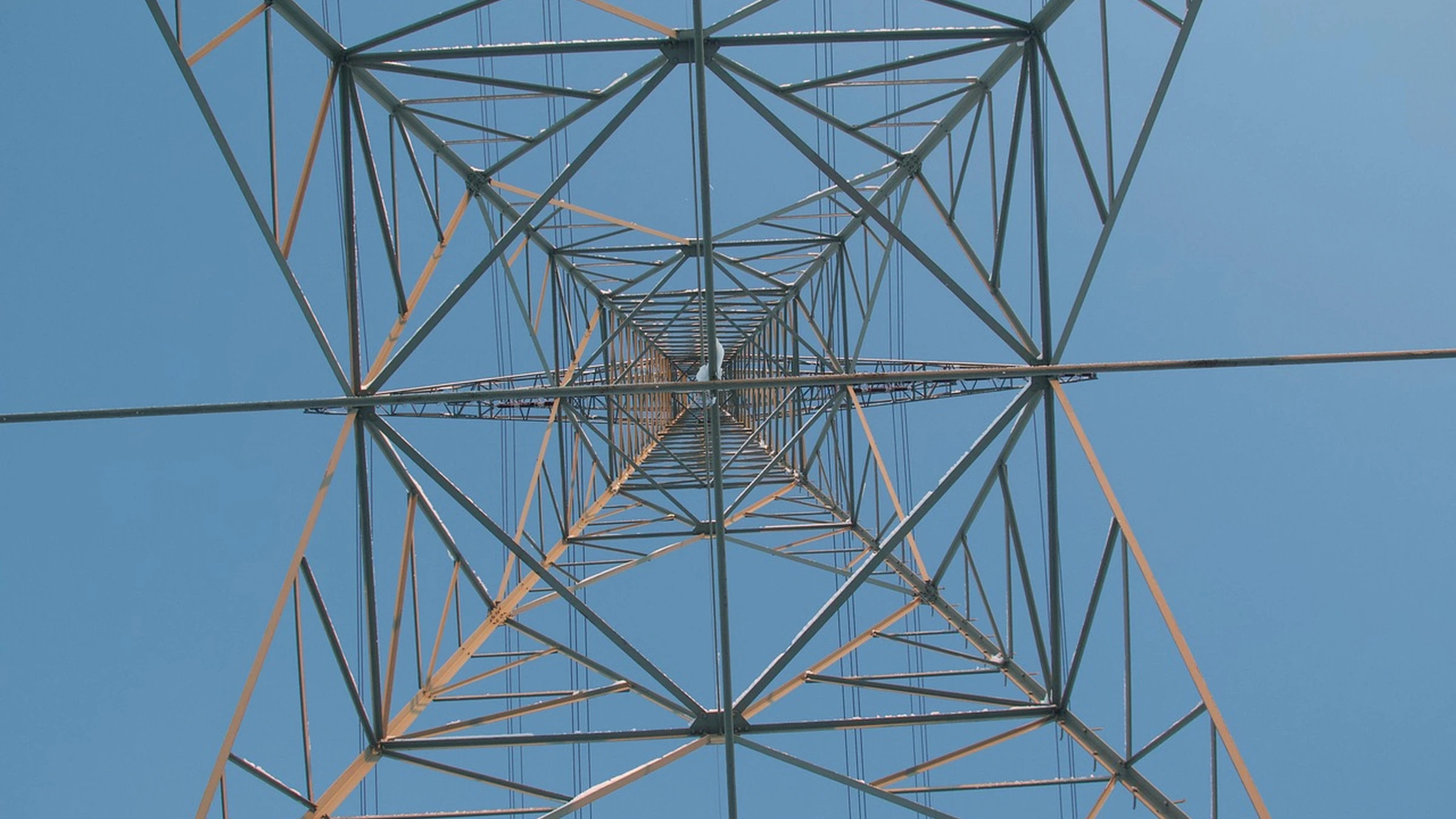
The upgrade includes around 18 kilometers of overhead line, 11 kilometers of underground cable, a new grid supply point at Twinstead and works at Bramford substation. These elements strengthen the route through East Anglia, where additional renewable and low-carbon generation is expected to connect. The immediate object is the network’s ability to transport electricity, rather than a new generating station.
More usable transmission capacity can reduce the need to constrain generation when the grid cannot carry the power available. That is the economic reason to compare investment with the continuing cost of bottlenecks. It remains a prospective benefit of the completed reinforcement; the allowance announcement itself does not establish a measured reduction in constraint payments.
Consumer Figures Need the Correct Boundary
Ofgem places the project inside the wider RIIO-3 investment settlement. Its published bill forecasts describe the combined arrangements and wider infrastructure investment, rather than a separate household charge attributable solely to this route. Applying those portfolio figures to Bramford to Twinstead alone would overstate what the evidence says about this individual project.
That boundary matters when assessing value. A project can contribute to a wider reduction in congestion costs without carrying the full benefit claimed for the investment portfolio. The relevant comparison is between its allowed costs, the reinforcement it delivers and its contribution to the network’s performance. A national bill forecast cannot replace that project-level assessment.
The formal assessment also says that statutory consultation on licence modifications will follow. The cost decision and the legal steps giving effect to it therefore occupy different points in the regulatory process. Delivery accountability will continue beyond this announcement: the approved scope must become working capacity, while any additional costs must pass the scrutiny attached to their particular recovery route.
Take-Out
Accelerated grid investment can limit the risk charged upfront while preserving a route to examine justified changes. The allowance, subsequent adjustments and delivered network capacity need to be judged separately.
Questions and answers
What readers should know
- What did Ofgem decide?
- It set a £642.1 million project allowance in 2024/25 prices for the Bramford to Twinstead upgrade.
- Does Ofgem pay the construction bill directly?
- No. Transmission owners finance investment through debt and equity and recover allowed costs and returns through regulated revenues.
- What physical works are included?
- The scope includes about 18 kilometers of overhead line, 11 kilometers of underground cable, a new Twinstead grid supply point and Bramford substation works.
- Can the allowance change?
- Specified uncertainties may be considered through regulatory adjustment and re-opener routes; additional expenditure is not automatically recoverable.
- Are the published RIIO-3 bill forecasts specific to this project?
- No. They concern the wider investment arrangements and must not be attributed to this project alone.
Stay in the loop
Keep Mark and Focus in view
Hear about future publications, announcements, and relevant updates from Mark and Focus.