
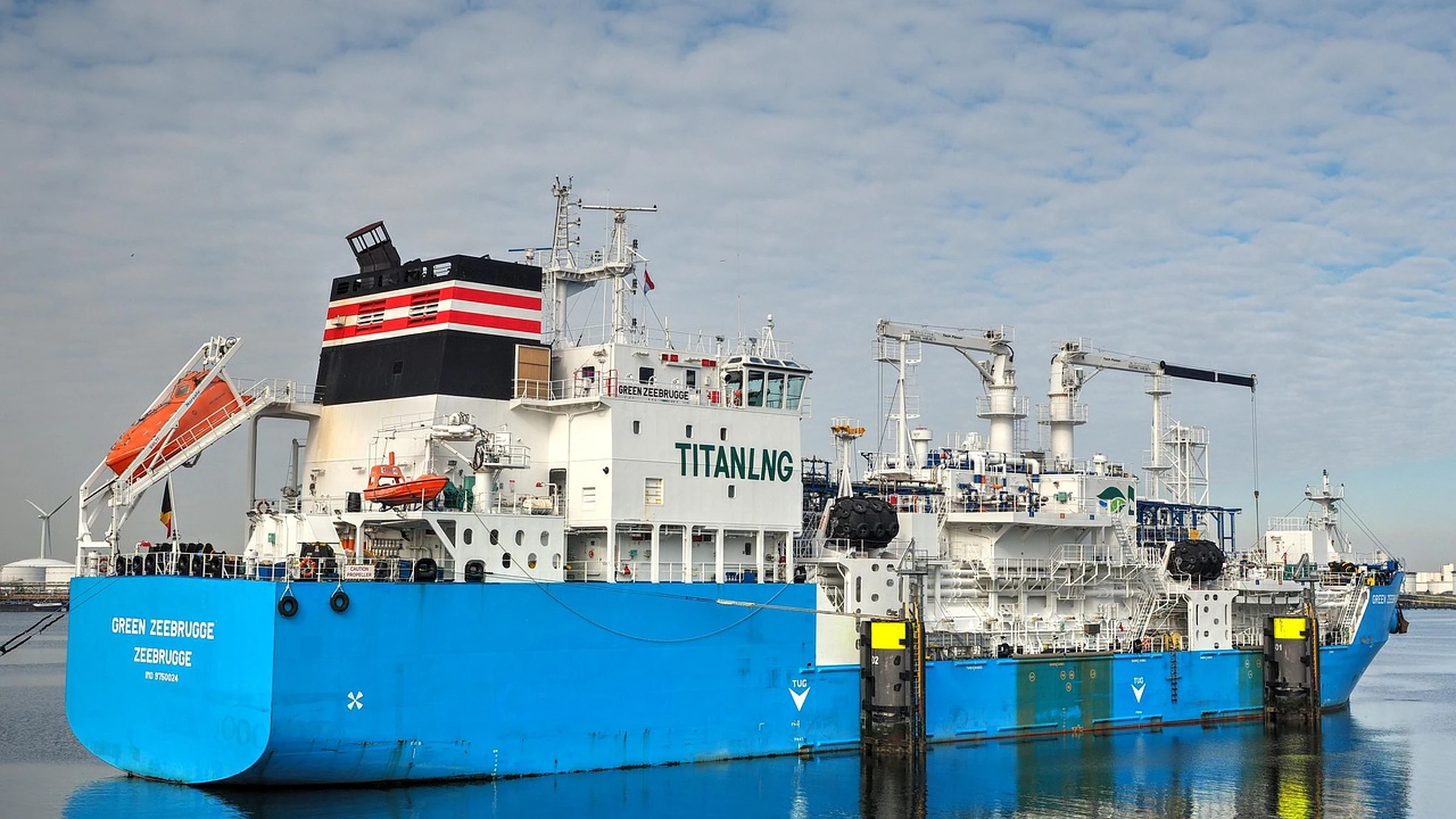
The United States has proposed updating LNG standards to recognize newer facility designs. The notice opens a regulatory process; the department’s savings estimate and expectations for faster development remain prospective.
US LNG standards could recognize a wider range of storage and piping designs under a proposal announced on November 3, 2026. The Pipeline and Hazardous Materials Safety Administration has issued a notice of proposed rulemaking to update the technical basis for liquefied natural gas facilities. The immediate development is an open rulemaking process, rather than a change already available to every operator.
Recognizing Newer Designs
PHMSA proposes incorporating the 2026 edition of NFPA 59A, the technical standard covering the location, design, construction, operation and maintenance of LNG facilities. Its announcement identifies pipe-in-pipe systems, single-walled ASME containers and membrane storage tanks among the technologies the proposal would recognize.
Incorporating a technical standard matters because a design can be familiar to engineers without having a straightforward route through an older regulatory reference. Updating that reference can reduce the distance between accepted engineering practice and the requirements applied during review. It does not remove the need to show that a particular installation meets the applicable safety conditions.
For project teams, the distinction affects sequencing. A design choice made while a rule is proposed should remain traceable to the requirements that actually govern the application. Assuming the proposal has already taken effect could turn an expected simplification into a later redesign.
Testing the Claimed Savings
The Department of Transportation puts potential annual savings at $100 million. That is the department’s estimate of the proposed changes, not a measured reduction in operating costs. Its wider claims about faster projects and expanded exports likewise describe intended effects.
A proportionate assessment would follow the eventual rule, the designs it permits and the costs operators actually avoid. Technical flexibility has economic value when it removes a specific constraint while retaining a clear safety demonstration. The announcement alone cannot establish how that balance will work across different sites.
The near-term task for owners and reviewers is therefore concrete: identify which proposed references affect their designs, which requirements continue to apply and which decisions depend on the rulemaking outcome.
Take-Out
A newer technical standard can widen the designs a regulator recognizes. Project sponsors still need to distinguish a proposed compliance route from an effective rule and an approved facility.
Questions and answers
What readers should know
- What happened on November 3?
- PHMSA announced a proposed update to the safety standards for LNG facilities.
- Which technical standard is proposed?
- The proposal would incorporate the 2026 edition of NFPA 59A.
- Has the proposal become an effective rule?
- The announcement identifies a notice of proposed rulemaking; it does not establish final adoption.
- Are the savings already measured?
- No. The $100 million annual figure is the department’s estimate.
- What should project teams distinguish?
- They should separate a proposed design route, the requirements currently in force and approval of an individual facility.
Stay in the loop
Keep Mark and Focus in view
Hear about future publications, announcements, and relevant updates from Mark and Focus.