
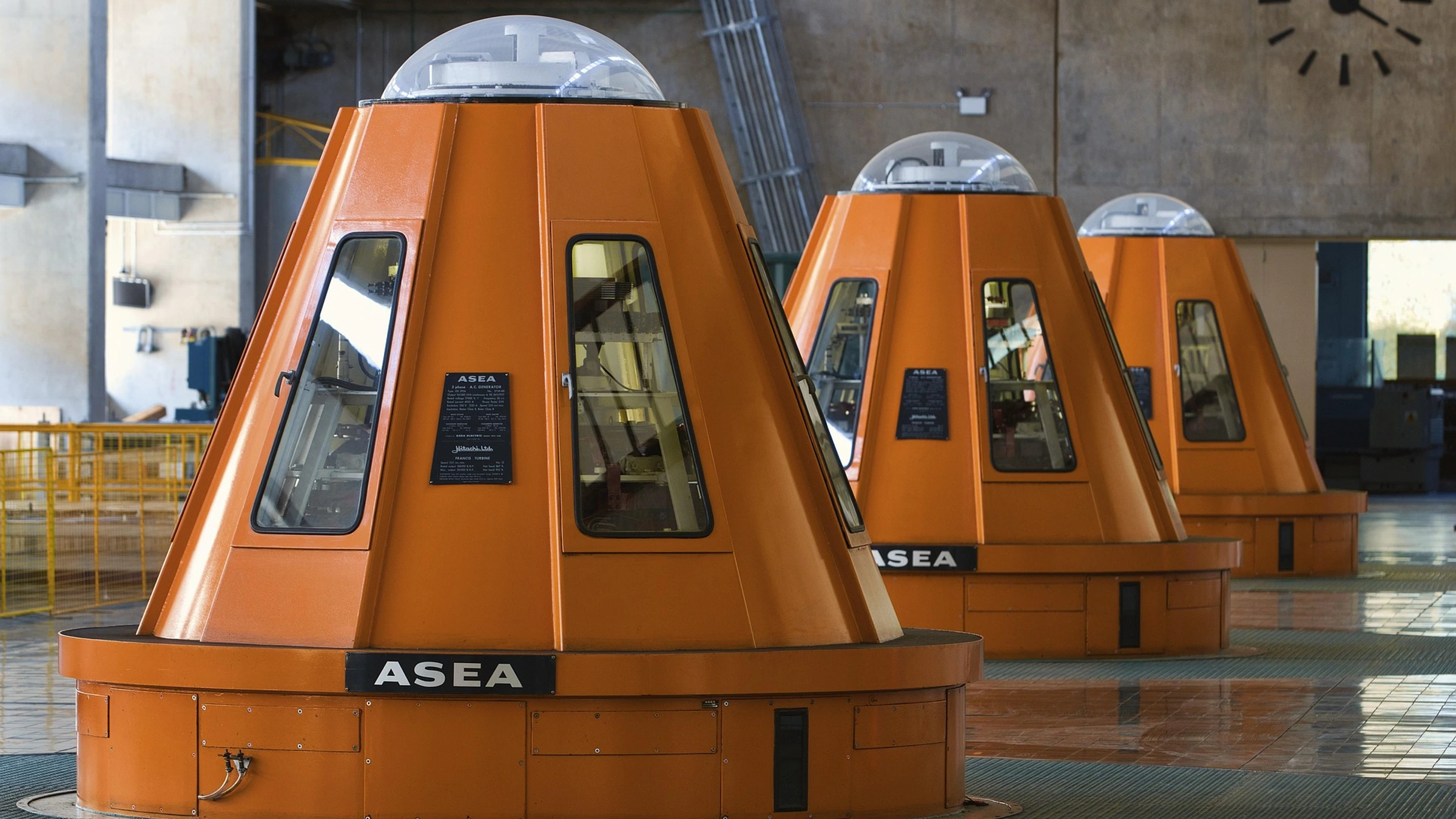
Snowy 2.0 now targets a A$22.2 billion cost and full commissioning in late 2029, with provision for a A$25 billion scenario. The reassessment also changes the questions facing project oversight and public financing.
Snowy 2.0 has acquired a new delivery baseline. Following the principal contractor’s reassessment, Snowy Hydro identifies A$22.2 billion as the target cost, while allowing for a A$25 billion scenario. Full commissioning is now targeted for late 2029. The company published its account on October 22; the Australian government responded on October 23. The change is consequential for both the construction program and the public owner deciding how its completion should be financed.
The two cost figures carry different meanings. One is the target against which delivery can be managed; the other recognizes a higher-cost scenario. Treating them as interchangeable would obscure the uncertainty the reassessment is intended to expose. Equally, neither figure by itself states the additional equity contribution that the Commonwealth will make.
A target with risk still attached
Snowy Hydro attributes the increase to a combination of incomplete design at the original investment decision, construction complexity, contractor productivity and planning shortfalls, and escalation in equipment, service and labor costs beyond the allowances made at the 2023 reset. These are distinct explanations. Higher input prices change the price of work; missing or underestimated scope changes how much work must be priced.
That distinction affects the response. Cost escalation may require updated allowances and purchasing decisions. Scope and productivity problems require better definition of the remaining work and evidence that construction is progressing at the assumed rate. A new total becomes useful when those underlying quantities and assumptions can be reconciled with it.
Excavation progress leaves other work ahead
The operator reports machine tunneling at 65 percent complete, drill-and-blast tunnels at 95 percent and power-station complex excavation at 90 percent. Construction design is reported at 96 percent, compared with 44 percent at the 2023 reset. Underground power-station construction has begun.
Those figures describe separate work fronts. Ninety percent excavation does not mean the complete generating asset is 90 percent ready. Installation, integration and commissioning remain different tasks from creating the cavern in which equipment will operate. The late-2029 target is therefore a commissioning commitment, while the percentages describe progress toward particular construction outputs.
A more mature design should reduce one source of uncertainty, but Snowy’s own higher-cost scenario acknowledges that technical and delivery risk remains. Progress supports a more informed estimate; it does not make the remaining estimate certain.
Project cost and public funding
Snowy Hydro says that, at the previous A$12 billion estimate, roughly A$4 billion was Commonwealth investment that the company did not have to repay. Much of the remainder depended on government and bank loans, together with the company’s cash flow. Borrowing has to be serviced, even when it is not an immediate budget grant.
The operator says work is continuing on the Commonwealth’s preferred capital strategy at the revised cost. The appropriate public-finance question is consequently broader than how much extra equity is announced. It includes how debt, interest and operating cash flow will support completion, and how the eventual financing arrangement allocates the burden between the owner and the business. The reassessment does not yet settle that arrangement.
Benefits and control answer different questions
Snowy presents the project as long-duration storage capable of moving electricity from periods of abundance to periods of scarcity. Its account identifies 350,000 megawatt-hours of storage. The ministers also cite an economic assessment by GHD, including projected national economic activity and lower wholesale electricity costs over the asset’s operating life. These are modeled benefits, rather than measured operating results from the unfinished project.
The storage argument helps explain why the government intends to continue. It cannot substitute for controlling the price and timetable of construction. Conversely, a higher construction estimate does not by itself quantify the value of the electricity service that would otherwise have to be provided.
Snowy Hydro describes an operational contractor project-control office, independent delivery and cost expertise, a new board oversight committee with external advisers, and changes in contractor leadership. These measures connect the reset to people and information that can affect daily performance. Their value will depend on whether emerging scope, productivity and schedule problems lead to timely decisions.
The next reporting baseline should make those decisions visible. It should show how the work remaining compares with the target estimate, where the higher-cost scenario remains exposed and what has changed in the completion forecast. That would allow the public owner to assess delivery against the revised promise while keeping the long-term energy case open to its own scrutiny.
Take-Out
Snowy’s revised estimate needs to be read alongside the work remaining, financing terms and contractor performance. A larger budget and a stronger storage case answer different questions.
Questions and answers
What readers should know
- What changed in the reassessment?
- Snowy Hydro gives a A$22.2 billion target cost, allows for a A$25 billion scenario and targets full commissioning in late 2029.
- Does A$25 billion mean a new grant of that size?
- No. Total project cost and Commonwealth equity are different. The operator says the capital strategy at the revised cost is still being developed.
- Does 90 percent cavern excavation mean the project is nearly operational?
- It measures that work front. Equipment construction, installation, integration and commissioning are separate from excavation.
- Are the electricity-cost benefits already achieved?
- No. The benefits cited in the release are projections from an economic assessment. Snowy 2.0 has not completed commissioning.
- What oversight changes does the operator identify?
- It describes a contractor project-control office, independent expertise, a new board oversight committee and changes in contractor leadership.
Stay in the loop
Keep Mark and Focus in view
Hear about future publications, announcements, and relevant updates from Mark and Focus.