
South Korea’s K-GX plan combines a decade of fiscal support with a much larger climate-finance program. Its investment significance depends on distinguishing public spending, financial supply and the project decisions that would turn industrial and regional ambitions into usable support.
South Korea presented its 2026–2035 green-transition plan on October 7 with a financing ambition of roughly KRW1,000 trillion over ten years. The total brings together KRW200 trillion in fiscal resources and more than KRW790 trillion in climate finance. Those categories do different work. An appropriation, a policy-finance commitment and an approved company loan cannot be read as interchangeable additions to an investment budget.
A Financing Envelope Has Several Doors
The Financial Services Commission had already announced a KRW790 trillion climate-finance supply plan in February. That earlier decision is essential context for the October headline: the finance component does not become an entirely new allocation merely because it appears inside K-GX. The new plan places an existing financial commitment within a broader industrial and regional strategy.
Nor does a ten-year supply target establish that every instrument is immediately open. The October plan calls for expanding the Climate Response Fund and preparing the institutional basis and detailed arrangements for green sovereign bonds by the first half of the following year. These are steps toward financing capacity. A prospective applicant still needs an identifiable instrument with settled terms.
The distinction affects how companies sequence spending. A firm can use the strategy to assess policy direction while keeping financing approval separate in its own decision. Counting anticipated support as secured capital would conceal the very conditions that the government’s subsequent instruments must resolve.
Industrial Ambitions Reach Beyond Equipment
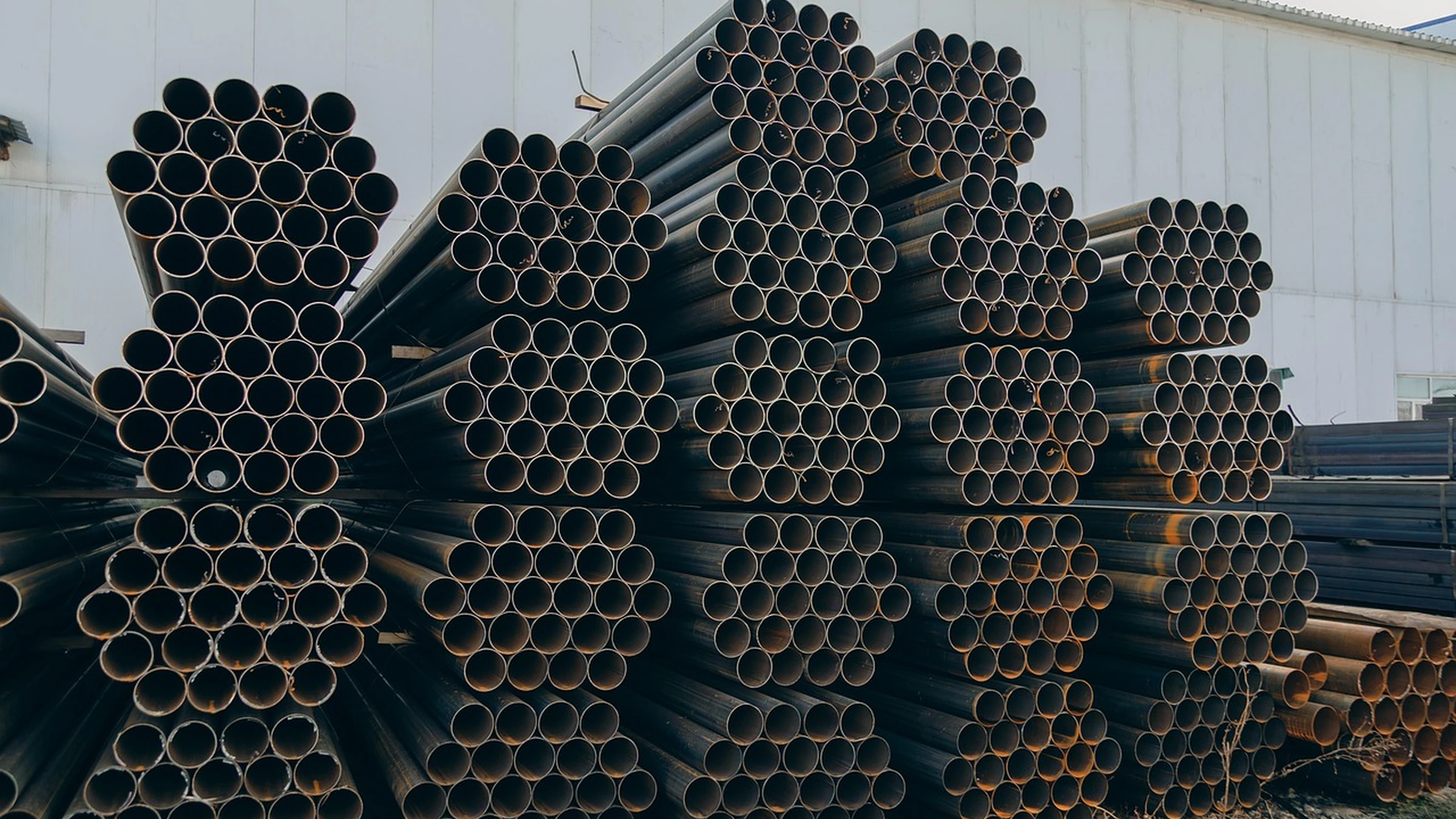
The plan targets decarbonization in steel, petrochemicals, cement, semiconductors and displays, and refining. Its proposed interventions include process changes and cleaner fuels and feedstocks. Support for a machine is therefore only one possible part of a company’s transition.
The steel program illustrates the stated level of ambition: a 300,000-tonne hydrogen-reduction demonstration is envisaged by 2030. The plan also proposes support for hydrogen-production bases and arrangements for reliable, inexpensive electricity linked to corporate investment. These are announced measures and targets, rather than evidence that commercial hydrogen-reduced steel is already being produced under the program.
For investment assessment, demonstration and commercial production deserve separate treatment. A demonstration can establish technical and operating evidence; it does not by itself establish the terms of a full-scale commercial investment. The strategy’s technology ambitions become more useful as firms can connect each proposed activity to a named support route and an assessable delivery schedule.
Regions and Workers Are Part of the Allocation
K-GX also addresses where investment happens and who is affected. It proposes regional green-transition models reflecting local industrial demand, with Naju’s energy ecosystem and Jeju’s carbon-neutrality work among the examples. Their inclusion gives the strategy a territorial dimension beyond a list of nationally favored technologies.
The plan envisages pursuing just-transition special zones during the year, with tailored vocational training and incentives for places facing socioeconomic change. It also proposes a 2040 coal-power transition roadmap and associated legislation for workers affected by planned closures. These remain future policy actions in the announcement.
Regional support and workforce measures should be assessed on their own terms. A successful industrial investment does not establish that displaced workers have access to suitable training, and a training offer does not establish that a new local employer is ready to hire. Keeping both visible allows the strategy’s distributional commitments to be judged alongside its manufacturing ambitions.
The Financial Delivery Work Is Already Specific
A September Financial Services Commission meeting offers a more immediate view of implementation. Five policy-finance institutions had supplied KRW42 trillion in climate finance by July, or 74.1 percent of their annual target. That is a reported financing-flow measure. It should not be substituted for measured emissions reductions or completed industrial conversion.
The same meeting reported work on practical transition-finance standards, with a draft prepared and a final version then planned for the end of October. Sectoral carbon-reduction roadmaps were to inform the supply criteria. A climate-finance web portal had begun formal service in August to support identification, assessment and follow-up.
These details locate the next useful questions. Which criteria will an institution apply to a particular investment? What evidence must a firm supply about its transition? What will be checked after finance is provided? The national total gives a sense of intended scale; answers at the institution and transaction level determine whether a company can act on it.
Take-Out
The K-GX headline combines different obligations. Firms need to identify the relevant budget, lender, eligibility test and delivery date before treating a national financing ambition as support available to their own investment.
Questions and answers
What readers should know
- What is the announced financing scale?
- Approximately KRW1,000 trillion over ten years, combining KRW200 trillion in fiscal resources and more than KRW790 trillion in climate finance.
- Is all of that new public spending?
- No. Fiscal resources and climate finance are different categories, and the KRW790 trillion finance plan was announced earlier in 2026.
- What is the steel target?
- The plan envisages a 300,000-tonne hydrogen-reduction demonstration by 2030; it does not establish delivered commercial production.
- What support is proposed for affected workers?
- It proposes just-transition special zones, tailored support and a coal-power transition roadmap with associated legislation.
- What should firms check before investing?
- The applicable instrument, eligibility criteria, lender or spending authority, approval conditions and delivery timing.
Stay in the loop
Keep Mark and Focus in view
Hear about future publications, announcements, and relevant updates from Mark and Focus.