
Mark and Focus analysis
Saudi Arabia Is Standardizing the Ground Rules for Commercial Data Centers
Read the analysis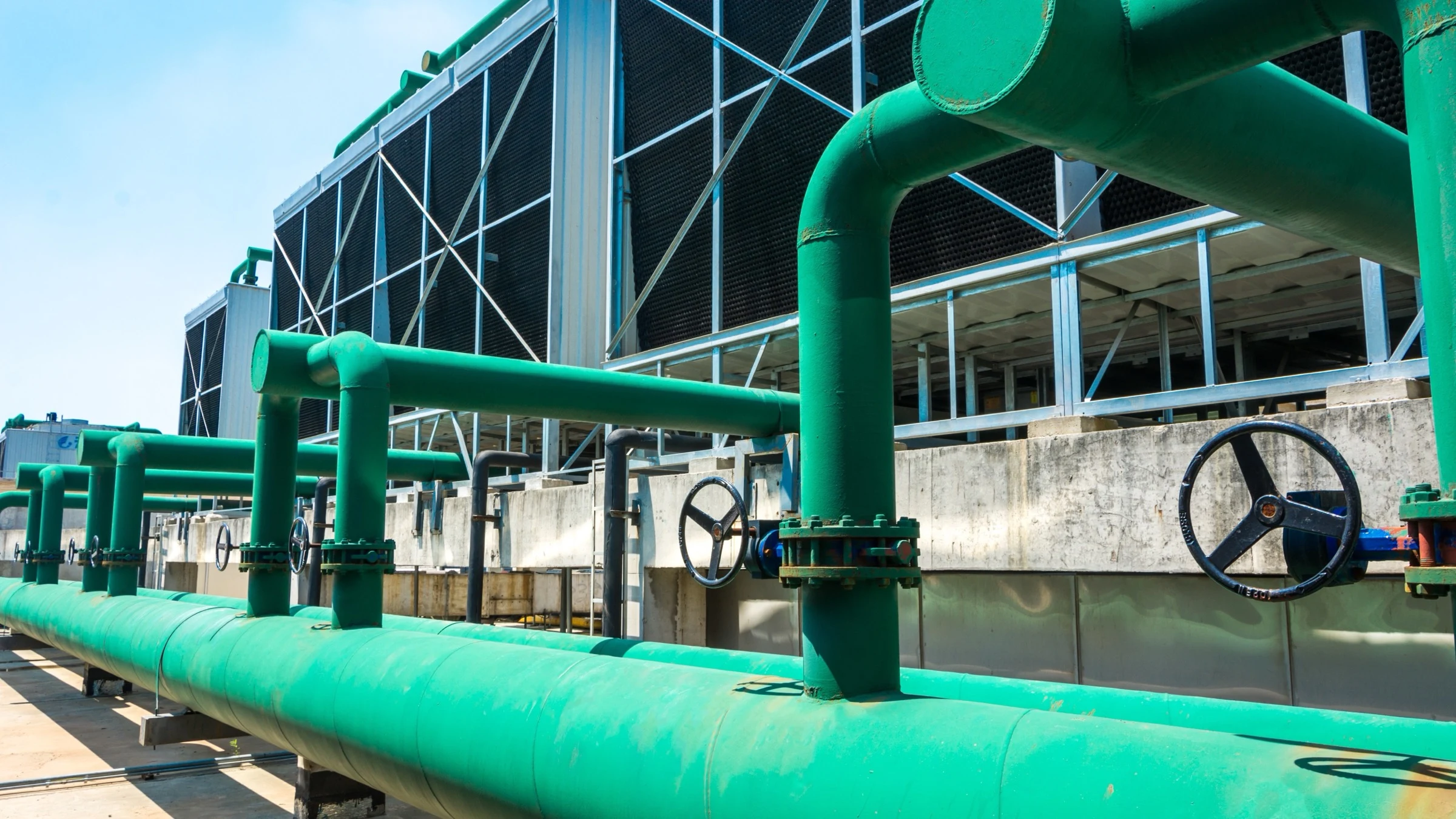
Saudi Arabia's Ministry of Municipalities and Housing has adopted uniform municipal requirements for standalone commercial data centers. The standards connect site access, utilities, building design, fire safety, cooling, backup power and licensing in one national municipal baseline.
Saudi Arabia’s Ministry of Municipalities and Housing announced on September 6 that uniform municipal requirements for commercial data centers had been adopted and would take effect upon publication. The requirements cover standalone commercial sites inside and outside urban boundaries.
Data centers are described as digital infrastructure, but every one is also a demanding physical facility. It needs land, road access, electricity, telecommunications, cooling, fire protection, backup systems, maintenance space and a path through multiple approvals. Variation in local treatment can add uncertainty even when national investment policy is clear.
The new municipal baseline addresses that layer. It sets requirements for access by operations and maintenance teams; availability of electricity, communications and transport services; building controls; parking, setbacks, heights and landscaping. It also addresses façades, lighting, floors, ceilings, accessibility, maintenance, waste management and security monitoring.
The breadth is the point. The ministry is not defining only what a server room should contain. It is standardizing how a high-dependency industrial facility fits into a place and remains operable there.
Municipal licensing will require Civil Defense approval, a valid commercial registration and approval from the supervising authority. Design and supervision must be carried out by accredited engineering offices, with compliance with the Saudi Building Code and relevant standards for design, fire protection, cooling, electricity and backup power.
Saudi Arabia already has a separate Communications, Space and Technology Commission framework for providers offering data-center services to others. Each data center is registered individually according to its classification and stage of development. The municipal requirements do not replace that sectoral regime; they add a consistent site-and-building layer.
That interaction matters to an investor. A nominally unified municipal rule can still produce delay if documents, inspections or definitions do not line up across agencies. The ministry’s requirement for a unified electronic code linking facility documents could become useful connective tissue—provided the code works across approval, inspection and operating records rather than serving as another identifier in a separate database.
Cooling and backup power are usually discussed as engineering choices. They are also municipal concerns. Cooling equipment affects site layout, noise, water or air systems, and maintenance access. Backup generation introduces fuel, emissions, fire safety and testing. Electrical rooms and redundant connections shape the building envelope and emergency response.
By placing these matters inside a national municipal standard, Saudi Arabia can reduce the risk that basic physical requirements are negotiated anew in each locality. Consistency should make early site assessment easier and help engineering teams identify constraints before a project is deep into design.
Consistency is not the same as suitability. The same rule must operate across different urban forms, site conditions and network capacities. Local authorities will still need the competence to review specialized facilities, while operators will need timely coordination with utilities and Civil Defense.
The standards also cannot guarantee that electricity, fiber, water or transport capacity is actually available at a preferred site. A requirement to verify essential services is valuable precisely because it can expose a weak location early. Approval should not turn a statement of availability into a substitute for capacity evidence.
The immediate questions are administrative and observable. Do municipalities interpret the requirements consistently? Can applicants reuse the same technical evidence across authorities? Are review times predictable? Does the electronic code create a complete facility record? Do requirements identify cooling, fire or access conflicts before construction rather than during inspection?
Those measures will show whether standardization reduces friction without weakening scrutiny. They will also distinguish a functioning national baseline from a document that appears uniform while local practice remains fragmented.
Saudi Arabia’s data-center ambitions are usually expressed in investment, cloud growth and capacity. The municipal requirements deal with the conditions beneath those ambitions. A digital hub is built project by project, and every project eventually meets a road, a boundary, a utility connection and an inspector.
Take-Out
Data-center policy often begins with megawatts and investment. Saudi Arabia's new requirements begin one layer lower: whether a facility can be sited, licensed, reached, cooled, powered, inspected and maintained under consistent rules.
Questions and answers
What readers should know
- What did Saudi Arabia adopt?
- The Ministry of Municipalities and Housing adopted uniform municipal requirements for standalone commercial data centers inside and outside urban boundaries.
- What physical conditions do the requirements address?
- They cover access, essential services, building controls, parking, setbacks, landscaping, cooling, electricity, backup systems, fire protection, maintenance and security monitoring.
- Which approvals remain necessary?
- Municipal licensing requires Civil Defense approval, a valid commercial registration and approval from the supervising authority, alongside applicable building and engineering requirements.
- Do the municipal requirements replace sector regulation?
- No. They add a site-and-building layer to the Communications, Space and Technology Commission framework for providers offering data-center services.
- What should implementation evidence show?
- Early applications should reveal whether municipalities interpret the baseline consistently, reuse technical evidence across authorities and identify site conflicts before construction or final inspection.