
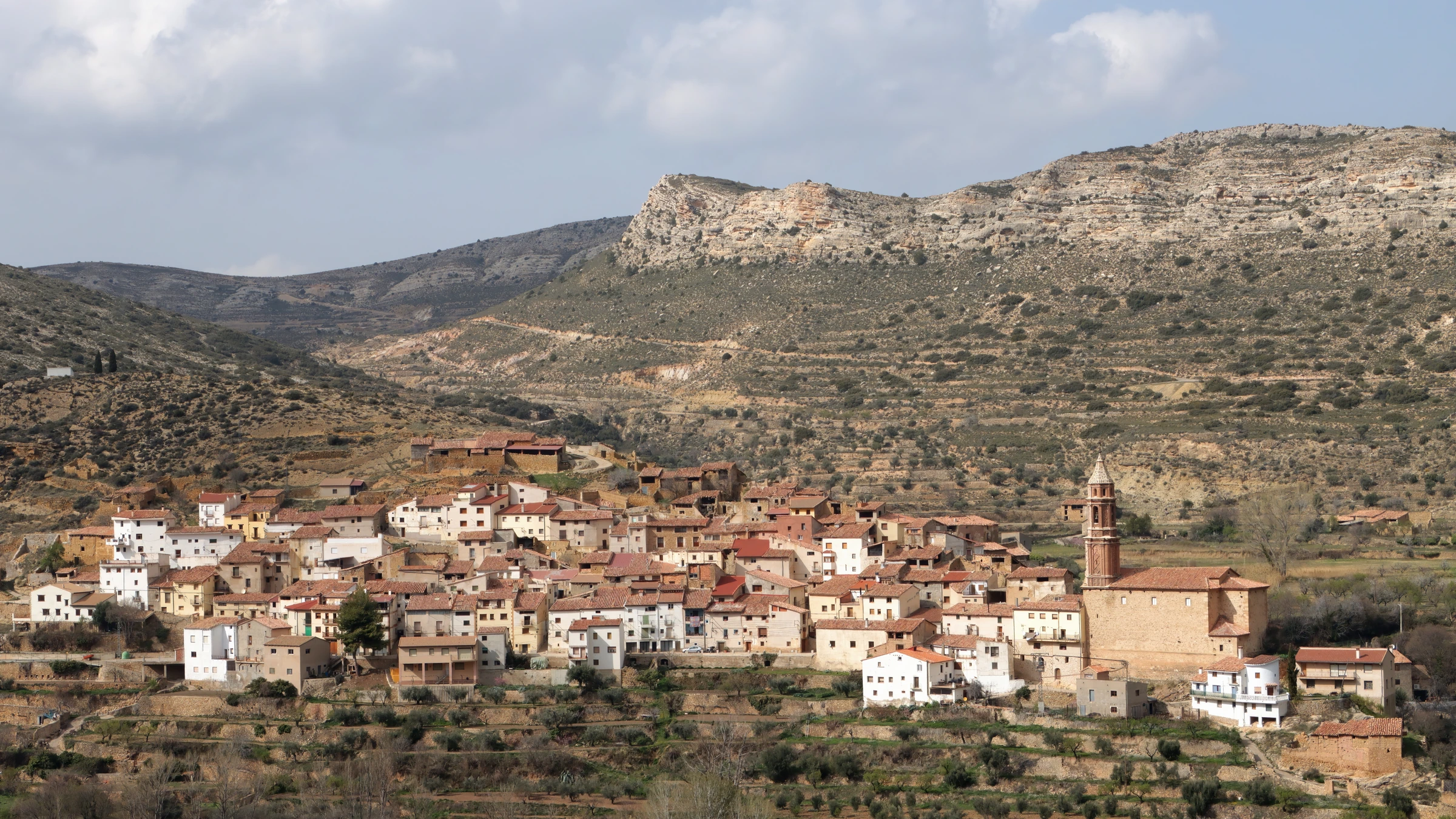
Spain has opened an €80 million competition for local projects addressing depopulation. Its priorities connect housing, care, mobility and resilience, giving applicants a reason to explain how a proposed service helps people remain in rural communities.
Spain’s new rural innovation grants invite local authorities to connect investment with the conditions that make a community livable. The €80 million call was published on October 6, with applications running from October 7 to November 6. It funds proposals for territorial transformation and action against depopulation, through a competitive process rather than a preassigned municipal allocation.
The service behind the asset
The priorities include everyday housing, personalized care, cultural activity, sustainable mobility and recovery in places affected by fire or other natural disasters. That breadth gives the competition a different emphasis from a conventional construction fund. Applicants have room to describe the service they want to sustain before specifying the asset they want to buy.
A renovated home and an accessible transport service solve different problems, but each can affect whether someone can remain in a small settlement. The strongest proposal will explain that connection in its own setting. It should be possible to say who needs the intervention, what obstacle it removes and why the proposed expenditure is a suitable response.
The official notice asks for an integrated understanding of the demographic problem, innovation for the territory and, preferably, responses that other rural areas could adopt. Local need matters more than an elaborate technology claim. A workable service in a place that lacks it can be consequential without being unprecedented elsewhere.
A competition with a delivery clock
The ministry identifies small settlements and eligible functional areas as the intended geography. Applications go through the PLATERO platform, and the maximum execution period is 22 months from publication of the award resolution. Publication of the call starts the application process; it does not establish recipients, spending or results.
That timetable rewards a bounded proposal. Applicants need enough ambition to address a real constraint, but the work must also be capable of completion within the funded period. A project that relies on an unresolved operator, uncertain premises or a service arrangement still to be negotiated carries a different delivery burden from one with those decisions already made.
For rural authorities, the opportunity is therefore to make a practical demographic argument. The application should show how its chosen investment supports ordinary residence and daily life. The competition can finance that intervention; evidence that it helped retain or attract residents will have to come from the places that receive awards.
Take-Out
A rural grant proposal needs a credible reason for people to stay. A building, vehicle or platform earns its place when the applicant can connect it to a service residents can actually use.
Questions and answers
What readers should know
- What is available?
- An €80 million competitive call for innovative local projects addressing territorial transformation and depopulation.
- When can authorities apply?
- The ministry states an application window of October 7 to November 6, 2026, through PLATERO.
- What activities are prioritized?
- The priorities include culture, personalized care, sustainable mobility, everyday housing and recovery in places affected by natural disasters.
- How long can funded work take?
- The maximum execution period is 22 months from publication of the award resolution.
- Have recipients been selected?
- The October development opens the competition. It does not report awards or demographic outcomes.
Stay in the loop
Keep Mark and Focus in view
Hear about future publications, announcements, and relevant updates from Mark and Focus.