
Mark and Focus analysis
Ria Formosa Monitoring Adds a Continuous View of Lagoon Exchange
Read the analysis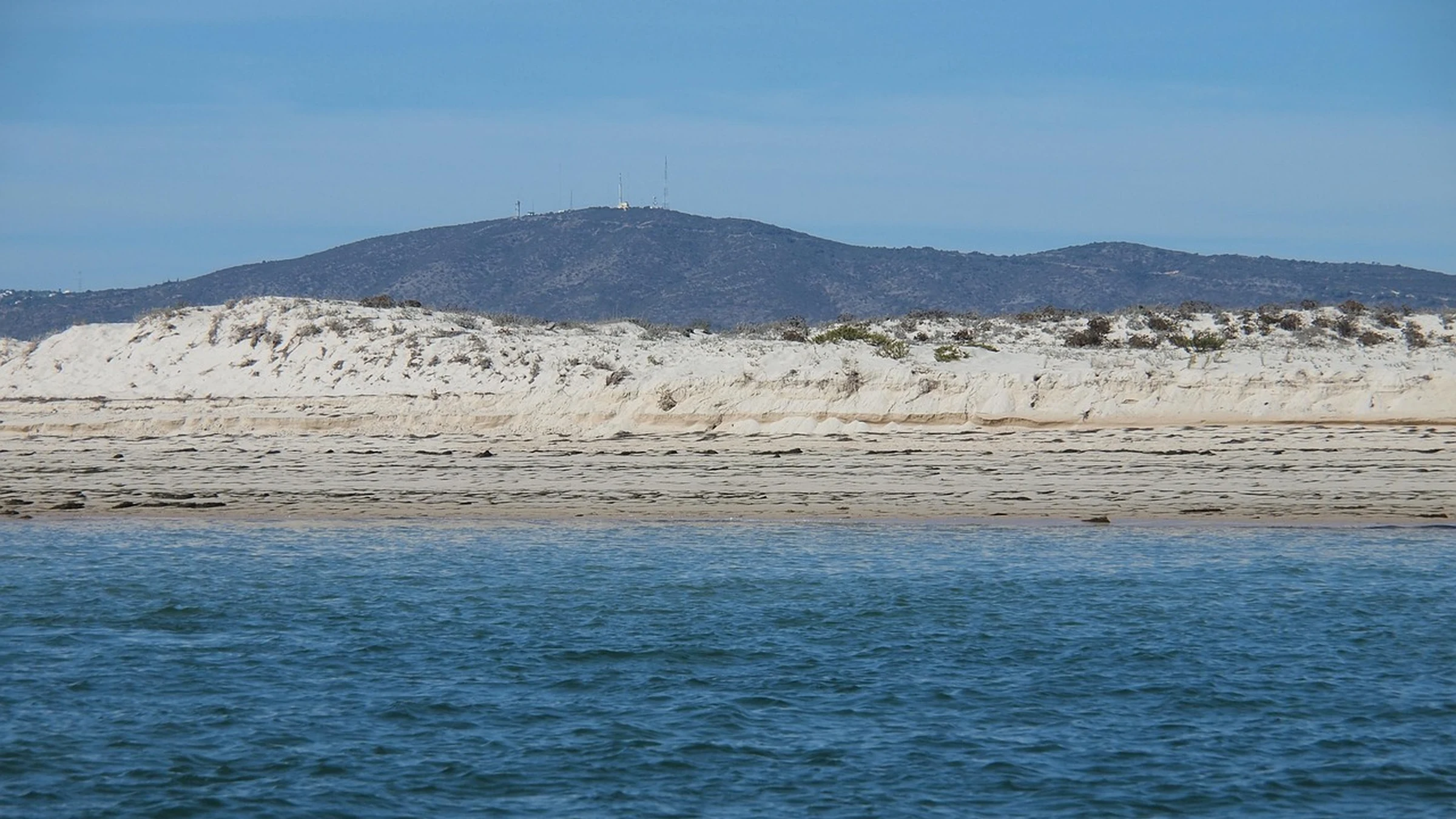
A new monitoring buoy at the Faro–Olhão inlet records water conditions alongside wind and solar observations. The installation adds continuous evidence about the lagoon’s exchange with the ocean, with warning tools and wider network expansion still prospective.
Ria Formosa monitoring gained a new observing point on October 20, 2026, when the University of Algarve’s marine and environmental research center, CIMA, installed the SIMONA buoy at the Faro–Olhão inlet. Positioned between Deserta and Culatra islands, the equipment records water conditions where the protected lagoon exchanges water with the ocean.
The installation was financed through EQUIPAR+2 under Portugal’s Recovery and Resilience Plan. CIMA describes the buoy as part of a developing monitoring network, alongside an operating station near Praia dos Cavacos and a further station planned near Faro’s commercial quay.
Water Readings With Their Weather Context
SIMONA records temperature, salinity, pH and dissolved oxygen. Its weather station also observes wind intensity and direction and solar radiation. Bringing these measurements together gives researchers a record of water conditions alongside the atmospheric conditions that accompany them.
The analytical value lies in continuity as well as location. An isolated sample establishes a condition at one moment. Repeated observations make it possible to examine variation over time and compare measurements with the circulation and exchange processes researchers are studying. The installation announcement does not yet provide an observed long-term trend.
From Observations to Decisions
CIMA intends to combine the stations’ data to support numerical models and decision tools. It also identifies potential applications in early warning for pollution, contamination and other environmental risks. Those are intended uses of the evidence, rather than proof that a complete warning service has already been delivered.
The distinction matters for evaluating the investment. Installing sensors establishes a capacity to observe. A warning tool would additionally need an interpretation of the readings and a way for responsible users to act on them. The public announcement does not establish those operating arrangements.
CIMA says the observations will be made openly available through an online visualization platform. That prospective access can widen the audience for the measurements, while the immediate achievement remains concrete: a new continuous record at the lagoon–ocean boundary.
Take-Out
A continuous record helps distinguish changing water conditions from isolated readings. The next management step is to turn those observations into tested interpretations and response decisions, without treating the installed buoy as an established warning service.
Questions and answers
What readers should know
- Where is the buoy?
- At the Faro–Olhão inlet, between Deserta and Culatra islands.
- When was it installed?
- October 20, 2026.
- What water conditions does it record?
- Temperature, salinity, pH and dissolved oxygen.
- Why record weather as well?
- Wind and solar observations provide context for interpreting changes in water conditions.
- Is an early-warning service already demonstrated?
- No. CIMA describes future warning and decision-tool applications, not a verified operating service.
Stay in the loop
Keep Mark and Focus in view
Hear about future publications, announcements, and relevant updates from Mark and Focus.