
Mark and Focus analysis
Kidlington’s Cleared Dump Exposes the Enforcement System Behind Waste Crime
Read the analysis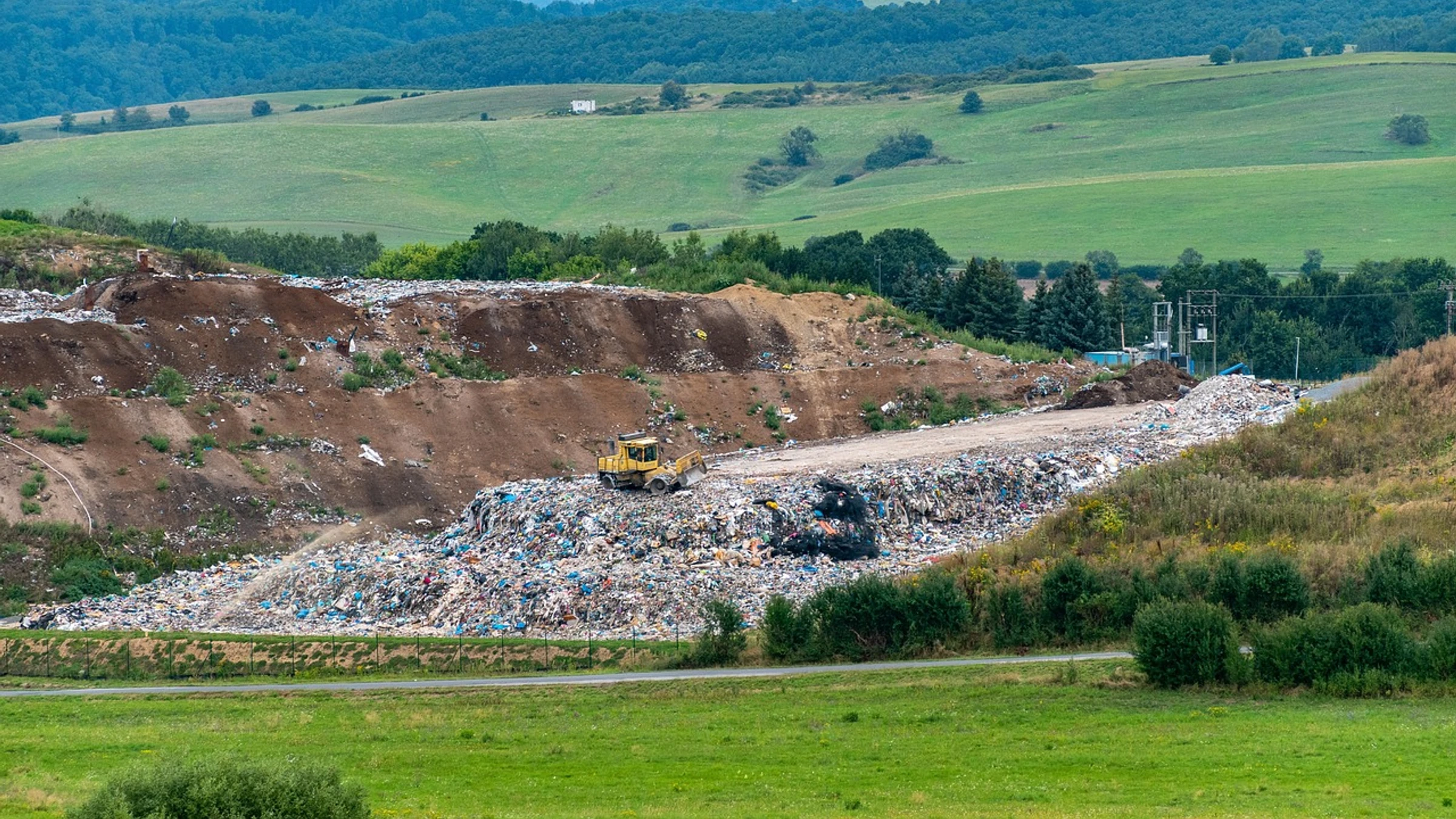
Clearing 22,105 tonnes from an illegal Oxfordshire dump gives England a visible result. The harder task is preventing another site through intelligence, permit control, sanctions, asset recovery and prosecution.
The Environment Agency has removed an estimated 22,105 tonnes of commercial and household waste from an illegal site near Kidlington in Oxfordshire. The clearance, announced on 27 August, records a substantial physical result: waste has been excavated and removed, access has been blocked, and the gate has been secured after officers shut the site in October 2025.
It is not the end of the case. Four people have been arrested and the criminal investigation continues. Regular water-quality sampling has not found evidence of significant local impact, but that finding does not resolve who organized the dumping, how the material entered the illegal chain, who paid for removal or whether the same network can establish another site.
Kidlington therefore separates two functions that are often compressed into one announcement. Remediation removes the immediate environmental burden. Enforcement has to dismantle the people, permissions, money and logistics that allowed the burden to accumulate.
Illegal dumping is a supply chain
England’s wider crackdown treats serious waste crime as organized economic activity rather than isolated fly-tipping. A new Waste Crime Crackdown Group is intended to bring regulators and law enforcement together. The government has also promised more frontline officers, greater use of drones, regional multi-agency working, stronger national oversight and better intelligence exchange.
The Environment Agency’s ten-point plan adds upstream controls. It calls for earlier intervention, stronger action against poor performers, tighter accountability across the waste chain, greater use of permit suspension and revocation, and more consistent enforcement. Those measures matter because an illegal dump is the endpoint of several transactions: waste is produced, collected, described, transported, transferred and deposited. A regulator that reaches only the final site acts after most of the commercial decisions have already been made.
Permit action can interrupt that chain before another mound appears. Intelligence from carriers, receiving sites, local authorities, police and financial investigations can connect apparently separate movements. Digital waste tracking may improve the underlying record, but records prevent harm only when anomalies trigger inspection, restriction or investigation.
Sanctions must reach the business model
The government plans fines of up to £5,000 for operators who dump waste illegally or fail to treat it correctly, compared with a cited current maximum of £300 for the relevant offences. The Crime and Policing Act 2026 also reforms confiscation processes, and the crackdown proposes greater Environment Agency capacity to identify and seize assets bought with criminal proceeds.
Fines and asset recovery do different work. A fixed penalty may be absorbed as a business cost if illegal disposal remains profitable. Confiscation aims at the proceeds and property created by the offending. Permit revocation removes access to the regulated market. Prosecution can impose stronger punishment. Authorities need to choose among these tools according to the scale, organization and persistence of the conduct rather than treat a larger fixed penalty as a universal deterrent.
Cost recovery is another test. A completed clearance does not establish that those responsible paid for it. When public agencies must remove abandoned waste to protect a community, the public sector can carry the cost while offenders retain earlier revenue. Investigations should therefore connect environmental evidence with contracts, payments, vehicles, land control and beneficial ownership early enough to preserve recoverable assets.
What Kidlington proves—and what it cannot
The clearance proves that coordinated public action can remove a large, entrenched illegal site. The access controls reduce the immediate opportunity for renewed dumping at that location. Arrests show an active investigation, not guilt or a completed prosecution. Water sampling addresses one route of possible harm; it does not quantify every soil, air, ecological or community effect.
Nor does one clearance demonstrate deterrence across England. The government has identified further priority sites at Bolton House Road in Wigan and Midland Road in Bradford. Their progress will show whether the model can move from an exceptional intervention to repeatable enforcement practice.
That capability should be judged through more than tonnes removed. Useful measures include time from detection to restriction, permit suspensions and revocations, intelligence links made across agencies, assets restrained and recovered, clean-up costs returned to the public purse, successful prosecutions, and recurrence at cleared or related sites. Waste movements prevented before illegal deposit are harder to count, but they are the strongest sign that upstream governance is working.
Kidlington is a completed clean-up inside an unfinished enforcement test. The site has been cleared. The real result will be whether the authorities can follow the waste and the money far enough upstream to prevent the next site from forming.
Take-Out
Waste removal repairs a place; enforcement succeeds when the people and businesses that profited from illegal dumping can no longer recreate the harm elsewhere.
Questions and answers
What readers should know
- What has been completed at Kidlington?
- The Environment Agency has removed an estimated 22,105 tonnes of waste, blocked access and secured the site after closing it in October 2025.
- Does the clearance conclude the criminal case?
- No. Four people have been arrested and the investigation continues; arrests are not convictions.
- Why are permits and intelligence central to prevention?
- Illegal dumping is the endpoint of collection, description, transport, transfer and deposit. Earlier permit action and shared intelligence can interrupt that chain.
- How does asset recovery differ from a fine?
- A fixed penalty can become a business cost, while confiscation targets proceeds and property created through offending.
- How should wider enforcement performance be judged?
- Through faster restriction, permit action, recovered assets and clean-up costs, successful prosecutions, reduced recurrence and waste movements prevented before deposit.
Stay in the loop
Keep Mark and Focus in view
Hear about future publications, announcements, and relevant updates from Mark and Focus.