
Mark and Focus analysis
Indonesia’s Waste-to-Energy Buildout Starts Before the Furnace
Read the analysis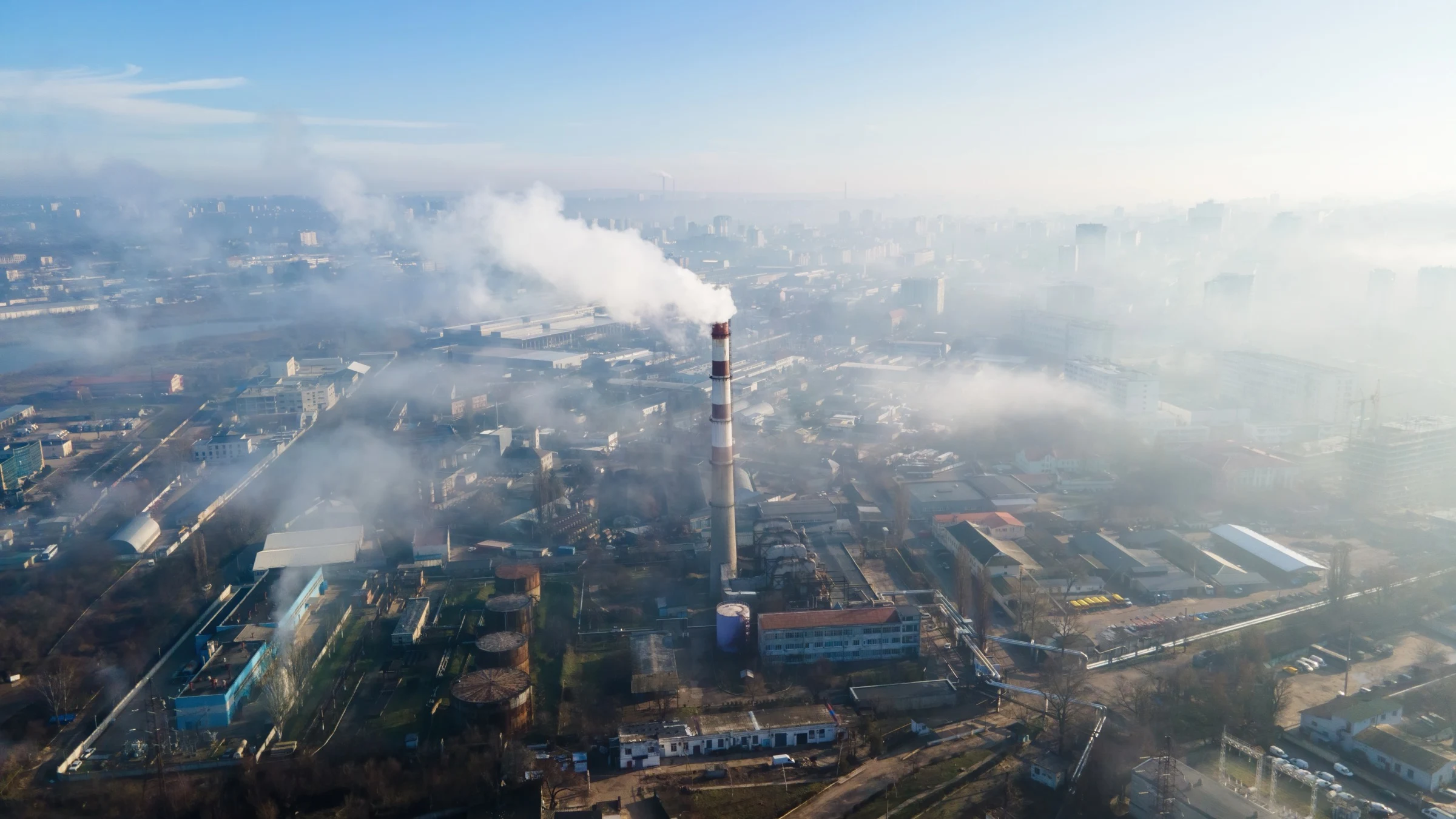
Indonesia plans 11 waste-to-energy facilities to enter service progressively through 2028. The program's decisive infrastructure is not only the plants: cities must first prove that collection, separation, transport and residual-waste supply can operate as one dependable chain.
Indonesia’s environment ministry said on September 7 that the government is targeting 11 waste-to-energy facilities to begin operating progressively through 2028. Denpasar, Bekasi and Bogor form the first group; eight further locations are moving through a second-stage process that has drawn 85 expressions of interest and 68 formal applications.
The scale is material. Yet the ministry’s most important qualification is easily lost in the headline number: waste-to-energy is intended for residual waste at the end of an integrated chain. Separation at source, treatment of organics, reuse, recycling, waste banks, refuse-derived fuel and biogas remain upstream tasks. The plants are not being presented as substitutes for them.
That distinction gives the program its real systems significance. A thermal plant is a fixed industrial asset. Municipal waste, by contrast, is dispersed, mixed, seasonal and governed by thousands of daily household and commercial decisions. Converting one into a dependable input for the other requires far more than awarding an engineering contract.
Local governments are expected to guarantee waste volumes after due diligence by the environment ministry and an independent consultant. On paper, a volume guarantee protects a project from an empty gate. In practice, it reaches backward through collection routes, vehicle availability, transfer stations, weighing, contamination control and agreements among neighboring jurisdictions.
That chain can fail in several ways. A city may produce enough waste overall but be unable to collect it consistently. It may collect the tonnage but deliver material with too much moisture or too little calorific value. Informal recovery may remove high-value dry material before the remaining stream reaches the plant. Source separation may improve—as policy intends—and change both the quantity and composition of the residual stream.
The better the upstream circular-economy system becomes, the less sensible it is to define success as a permanently rising supply of burnable waste. Long-lived contracts therefore need enough flexibility to preserve the hierarchy: prevent and recover first, then treat what remains. Otherwise a financial guarantee can become an institutional reason to keep feeding the plant.
Indonesia’s policy documents recognize the hierarchy. The harder question is how it will be expressed in procurement, performance measures and local service contracts. A plant can meet its commissioning date while the wider waste system remains weak. Conversely, a city can reduce disposal volumes and improve separation even if that complicates the economics of a particular facility. Those outcomes must not be confused.
Presidential Regulation 109 of 2025 replaced an earlier framework the government judged ineffective. It provides the national direction, while the 11 projects will be assembled from local land, permits, waste flows and service capabilities. This division of labor is unavoidable, but it creates a recurring risk: national targets can advance faster than municipal readiness.
The official figures explain the urgency. Government material supporting the regulation cites 56.63 million tonnes of waste in 2023, with 39.01 percent going to open dumping and 60.99 percent unmanaged. The figures describe a public-service deficit before they describe an energy opportunity.
Denpasar and Bekasi are reported under construction, while Bogor was scheduled to begin in September 2026. These projects can demonstrate more than plant performance. They can show whether cities can produce auditable waste-flow data, coordinate across boundaries, keep collection reliable and maintain upstream recovery while supplying residuals at industrial scale.
That is the evidence to watch. Megawatts and tonnes processed will matter, but so will missed collections, residual composition, diversion rates, transport distances, operating interruptions and the share of material still dumped outside the formal chain. Without those measures, a successful furnace could mask a weak municipal system.
Indonesia’s 11-facility target is therefore best understood as a test of urban operating discipline. The visible asset will sit at the end of the route. The decisive work begins at every bin, collection crew and transfer point before it.
Take-Out
A waste-to-energy plant can consume only the waste that a city can reliably collect and deliver. Indonesia's local due-diligence requirement therefore makes municipal service quality—not combustion technology—the first bankability test.
Questions and answers
What readers should know
- What did Indonesia announce?
- The environment ministry said 11 waste-to-energy facilities are targeted to begin operating progressively through 2028, with three initial locations and eight second-stage locations.
- Why is municipal waste collection central to the program?
- A plant needs a consistent residual-waste supply. Collection routes, transfer capacity, weighing, contamination control and cross-jurisdiction agreements determine whether that supply reaches the facility.
- Does the policy replace recycling and source separation?
- No. Official material places waste-to-energy downstream of prevention, separation, organics treatment, reuse, recycling and other recovery routes.
- What risk comes with a long-term feedstock guarantee?
- A rigid volume commitment can conflict with successful waste reduction or separation if contracts reward permanently rising deliveries rather than flexible treatment of genuine residuals.
- What evidence should be watched next?
- Construction and commissioning matter, but so do collection reliability, residual composition, diversion rates, transport distances, operating interruptions and continued open dumping.
Stay in the loop
Keep Mark and Focus in view
Hear about future publications, announcements, and relevant updates from Mark and Focus.