
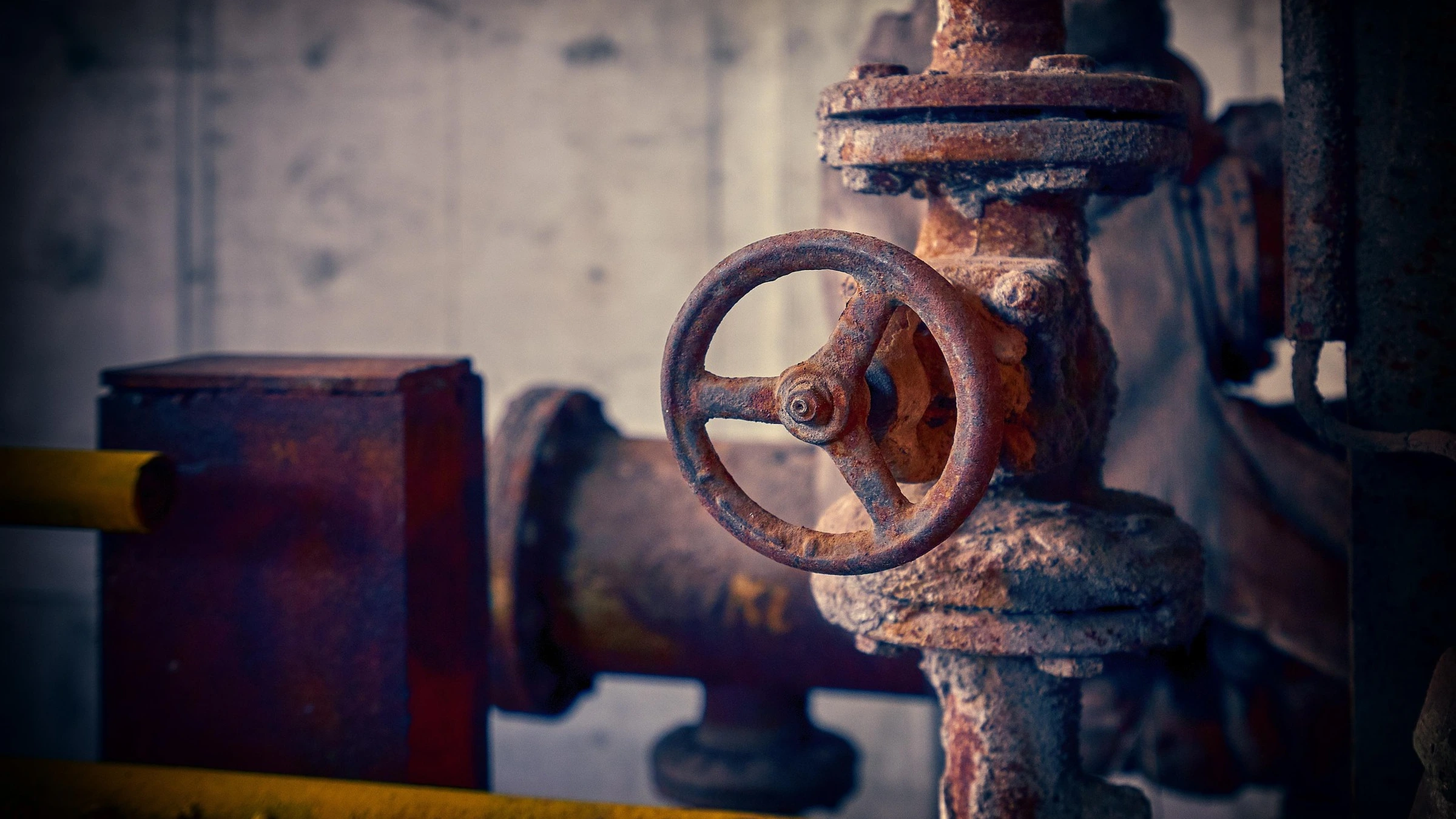
The WNTS–Pemping subsea pipeline completed gas-in commissioning on October 4. Delivery to Batam’s power plants still requires the onshore receiving facility, government gas allocation and commercial documents, making technical progress one part of the supply sequence.
Natuna gas has passed an important technical step on the route to Batam. PLN Energi Primer Indonesia reports that gas-in commissioning of the WNTS–Pemping subsea pipeline was completed safely at midnight on October 4. Its October 6 account also sets out what remains before gas can reach PLN Batam’s power plants at Tanjung Uncang.
The route carries gas from the West Natuna Transportation System into Indonesia through Pemping Island. Completing the subsea stage brings that resource closer to domestic use. It does not, by itself, establish a continuing gas supply at the generating plants.
The Subsea Test Has a Defined Boundary
The operator describes commissioning beginning with the opening of a valve, using divers and a remotely operated vehicle to check for leakage at the tie-in and along the pipeline to the onshore facilities. This is a physical commissioning milestone, with an identified activity and reported completion time.
The next technical step is commissioning the onshore receiving facility on Pemping. Only after that stage can the route advance toward delivery to the power plants. The distinction prevents a successful underwater operation from being read as confirmation that every part of the downstream supply arrangement is ready.
Parliamentary scrutiny reinforces that sequence. In its October 9 account, Commission XII welcomed completion of the first stage and urged acceleration of the second. Legislators expressed the hope that the eventual supply would secure gas for PLN Batam and support industry. Those statements are expectations about use, rather than measurements of gas already being delivered to every intended customer.
Allocation and Contracts Sit Beside Equipment
PLN EPI says onward commissioning and gas delivery from the receiving facility toward the power plants depend on obtaining government gas allocation and completing commercial documents. Its acting president director reported discussions with the Directorate General of Oil and Gas and SKK Migas, alongside work on documents with upstream suppliers and buyers.
This explains why a functioning physical route can still be short of an operating supply service. Equipment readiness answers whether gas can be handled. Allocation and commercial arrangements establish the conditions under which the resource can be supplied and bought. The operator’s account places both in the remaining sequence without claiming that either has already been completed.
For the intended power-plant user, the useful question is therefore broader than whether the subsea pipe has accepted gas. The receiving facility must complete its commissioning stage, the required allocation must be obtained and the commercial documents must support onward delivery. Progress on one element should be recorded without prematurely crediting the others.
Domestic Use Remains the Intended Outcome
The project implements an Energy Ministry assignment to PLN EPI to build and operate the WNTS–Pemping route. The company presents it as a way to improve domestic use of national gas resources and support electricity reliability in Batam, central Sumatra and West Java.
That wider purpose does not mean the October milestone proves new supplies across all those areas. The published announcement identifies the next delivery sequence toward PLN Batam’s plants. It gives no basis for assigning an achieved volume, a confirmed reduction in electricity interruptions or a settled allocation to industrial and household users.
The defensible conclusion is narrower and more useful. The subsea stage has been reported complete, and the operator has named the technical and commercial steps that stand between it and power-plant delivery. Tracking those steps separately makes the eventual start of supply recognizable, instead of allowing every construction or commissioning update to carry the same claim of energy security.
Take-Out
Gas in a tested subsea pipeline is a useful technical milestone. Batam gains an operating supply only when the receiving facility, allocation and commercial arrangements also permit delivery to its power plants.
Questions and answers
What readers should know
- What was completed on October 4?
- Gas-in commissioning of the WNTS–Pemping subsea pipeline, according to PLN EPI.
- Where does the route enter Indonesia?
- Through Pemping Island, before onward delivery toward Batam.
- What technical step remains?
- Commissioning the onshore receiving facility and the onward delivery stage.
- What non-technical conditions are named?
- Government gas allocation and completion of commercial documents with suppliers and buyers.
- Does the announcement establish improved power reliability already?
- It states that objective and reports a commissioning milestone, rather than measured electricity reliability outcomes.
Stay in the loop
Keep Mark and Focus in view
Hear about future publications, announcements, and relevant updates from Mark and Focus.