
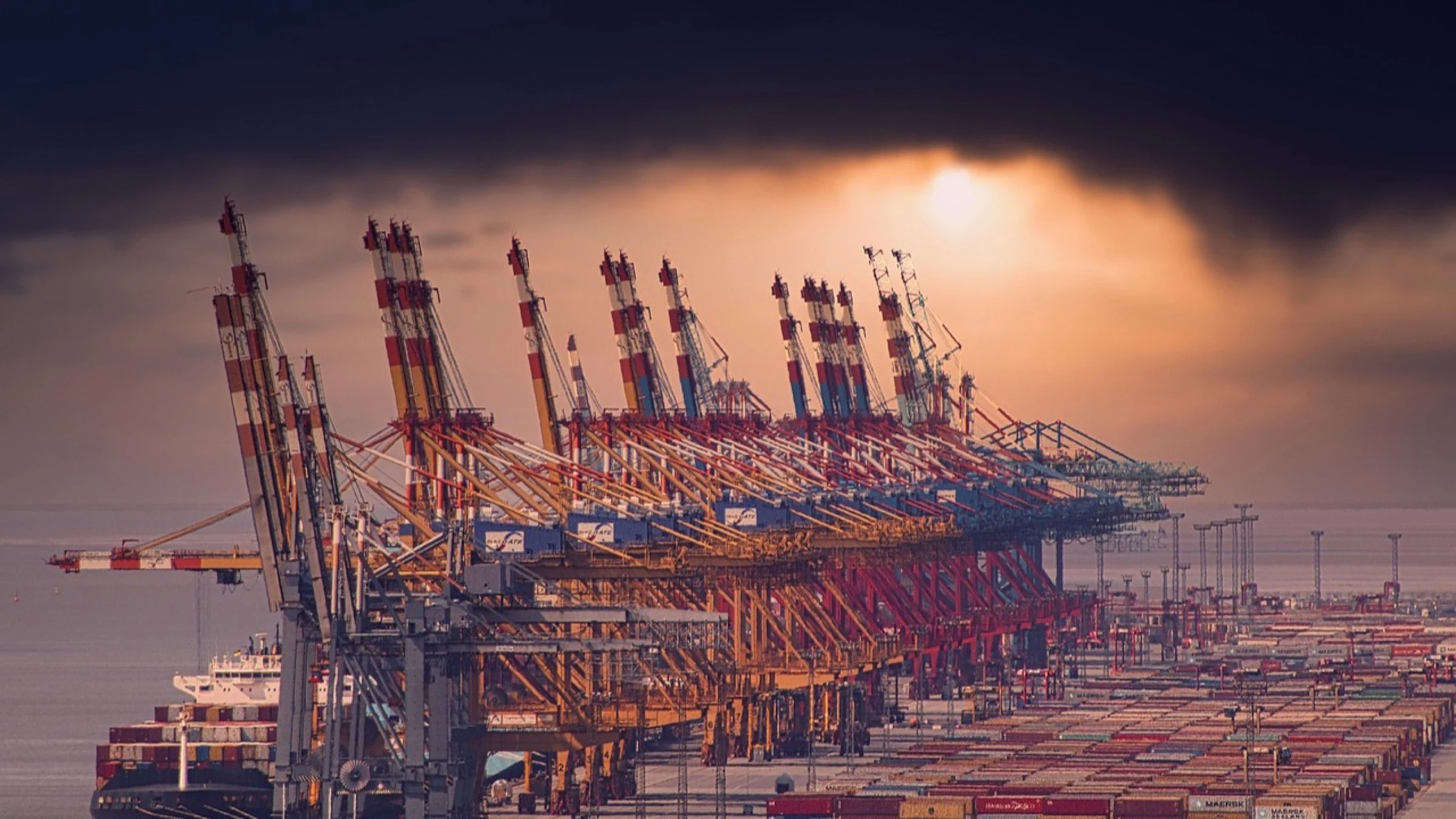
Brazil has opened consultation on an insurance policy for port, airport and waterway concessions. Requiring projects to examine insurability during feasibility work could expose climate and operational risks before contracts allocate liabilities the market cannot absorb.
Brazil’s Ministry of Ports and Airports has opened a 30-day consultation on a proposed insurance policy for infrastructure concessions. The policy would cover ports, airports and waterways and require new feasibility studies to examine whether project risks are actually insurable. The proposal responds to a persistent weakness in public-private infrastructure: contracts can allocate a risk on paper even when affordable insurance capacity does not exist.
The Brazil infrastructure insurance policy would make availability, scope and price part of early project assessment. That is more consequential than adding another mandatory policy after a concession has been awarded. If insurance markets will cover only part of a climate, construction or operating risk, government and bidders need to know before the tender fixes obligations and prices.
Insurability is evidence about project structure
The ministry proposes consultation with the insurance regulator and at least three national brokers or insurers during technical, economic and environmental feasibility studies. Risks would be classified as insurable, partially insurable or non-insurable. That classification can reveal whether the draft concession asks the private party to carry exposure it cannot transfer or price with confidence.
The exercise must remain more than a market questionnaire. Responses should identify exclusions, limits, deductibles, tenor and the assumptions behind indicative pricing. A risk may be technically insurable for one year but unavailable over the life of a long concession. Capacity may also contract after a major disaster. Feasibility work should therefore test sensitivity, not treat a quotation as a permanent guarantee.
The proposed approach is particularly relevant as extreme weather changes the frequency and correlation of losses. The disruption at Porto Alegre’s airport after severe flooding showed how damage to one asset can interrupt a regional network and create revenue, access and recovery costs beyond physical repair. Ports and waterways face related dependencies involving dredging, power, roads, rail and navigation conditions.
Residual risk needs an accountable owner
Where ordinary insurance is insufficient, the consultation considers mechanisms including parametric cover, contractual triggers, automatic economic rebalancing and complementary state participation. Each can be useful, but each shifts the timing and ownership of loss differently.
Parametric insurance can pay quickly when an agreed measure crosses a threshold, even before final damage is assessed. It also creates basis risk: the trigger may occur without matching the loss, or serious loss may occur without activating payment. Automatic rebalancing can preserve project viability, but poorly defined triggers may transfer ordinary commercial volatility to users or taxpayers. State participation can address systemic exposure, yet it requires limits, funding rules and transparent approval.
The policy should publish a hierarchy: risks the concessionaire is expected to prevent and insure; risks shared through defined mechanisms; and exceptional risks retained by the state. That would make bids more comparable and reduce later disputes about whether an event was foreseeable. It would also prevent the label “uninsurable” from becoming an automatic route to public compensation.
Consultation should produce reusable evidence
Brazil’s proposal can improve more than individual tenders if findings are retained across sectors. A structured record of market appetite, exclusions, claims experience and adaptation measures would allow future project teams to see how risk is changing. Insurance evidence could also improve engineering: repeated exclusions for flood, business interruption or supply-chain dependency should prompt design changes rather than only contractual adjustments.
Public reporting will need care because quotations and modeling may be commercially sensitive. Authorities can still disclose categories, assumptions and the reasons for final risk allocation. After award, they should monitor whether required policies remain in force, whether exclusions change and how claims affect service recovery.
The reform’s central insight is sound: risk allocation is credible only when someone has the capacity to bear the loss. By moving insurability into feasibility studies, Brazil can discover weak assumptions before competition begins. The final policy will succeed if concessions combine stronger prevention, realistic market cover and an explicit public decision about the residual risks that no contract can make disappear.
Take-Out
Insurance cannot repair an unfinanceable risk allocation; Brazil’s useful move is to test market capacity during project design and then state openly which risks remain with operators, users or government.
Questions and answers
What readers should know
- What is Brazil consulting on?
- A proposed insurance policy for federal port, airport and waterway concessions.
- What would change in feasibility studies?
- Project teams would assess insurance availability and classify risks as insurable, partially insurable or non-insurable.
- Why consult brokers and insurers early?
- They can test whether draft risk allocations match real market capacity, exclusions and pricing before tender terms are fixed.
- What alternatives are under consideration?
- The proposal discusses contractual triggers, parametric products, rebalancing mechanisms and complementary state participation.
- What would indicate success?
- Fewer unpriceable tender obligations, clearer residual-risk ownership, maintained coverage and faster, accountable recovery after disruption.