
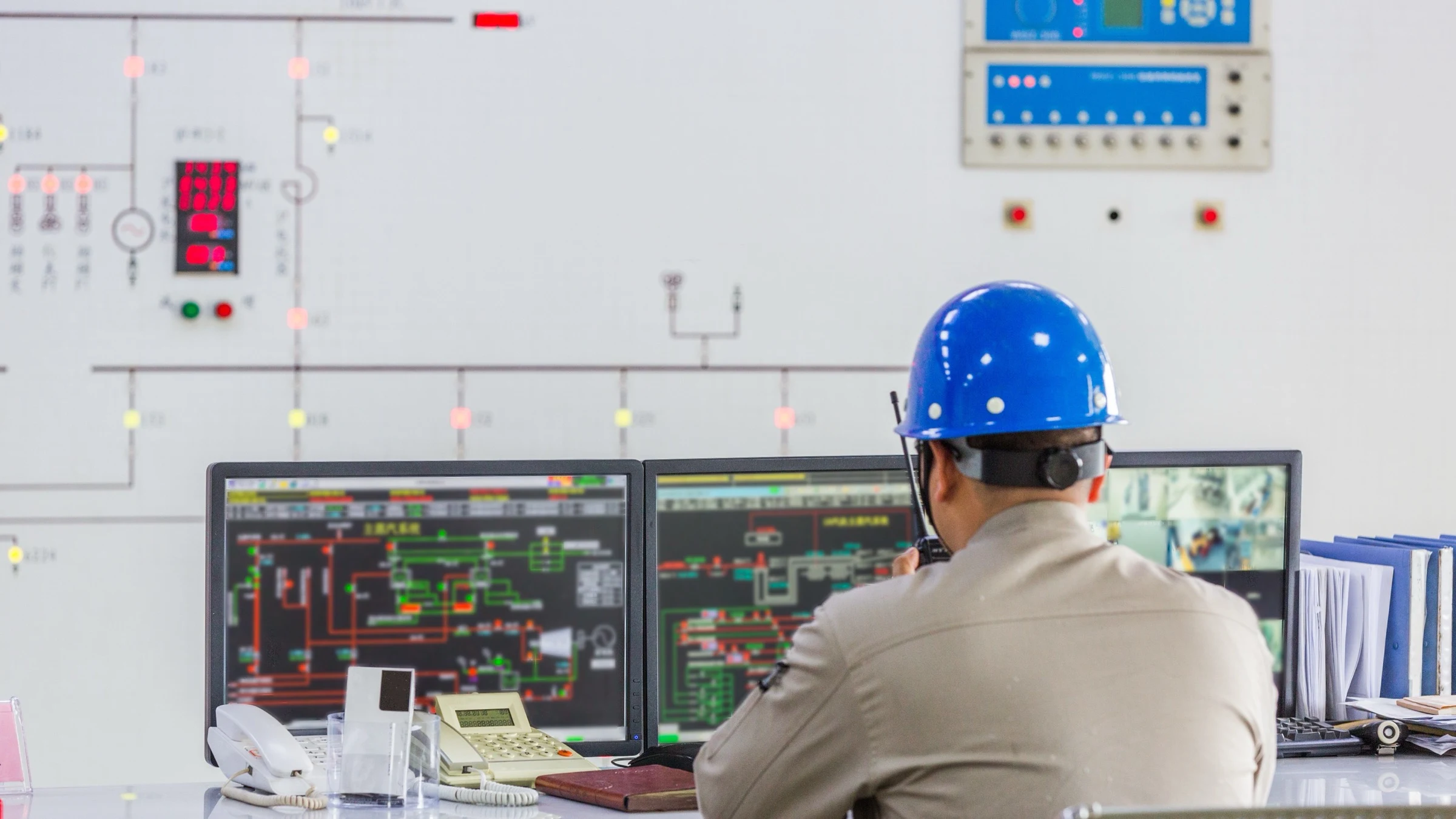
Europe's transmission operators have proposed seven measures linking risk assessment, asset protection, crisis authority, offshore recovery, cross-border resources, sensitive information and dedicated funding. The central weakness is no longer the absence of security duties, but their fragmentation.
Europe’s electricity transmission operators have turned a broad concern about critical infrastructure into seven specific institutional requests. Their 31 August position paper calls for harmonised risk assessments, minimum protection standards, clearer crisis roles, stronger offshore cooperation, faster cross-border deployment of critical resources, more careful transparency rules and dedicated finance for grid security.
The list matters because transmission security is not contained within a fence around a substation. Europe’s networks are increasingly interconnected, electricity is carrying a larger share of economic activity, and control systems connect physical assets to software, communications and remote operating functions. A failure can begin locally while its operational consequences travel through a regional system.
The European Union already has a legal framework for critical-entity resilience. It requires national strategies, risk assessments, identification of critical entities and measures that help essential services resist and recover from disruption. Electricity operators sit squarely inside that framework. The new position is not an argument that Europe has no rules. It is an argument that national implementation still needs a workable operating layer for a cross-border grid.
A common risk language changes investment decisions
Harmonised risk assessment is the first recommendation because different definitions produce different priorities. One country may treat a threat as an operator responsibility, another as a national-security responsibility, and a third as a routine regulatory issue. Those differences affect which assets receive protection, which information is shared and which investments can be recovered through regulated revenue.
A common method would not require every asset to receive the same treatment. It would allow operators and authorities to compare consequences, dependencies and recovery needs on a consistent basis. The value lies in deciding where a failure could propagate and which safeguards are proportionate to that exposure.
Minimum standards provide the next layer. They can establish a floor for physical protection, redundancy, communications, spare equipment and recovery planning without pretending that a remote converter station and an urban control center face identical threats. The difficult work is to make the floor strong enough to reduce shared risk while leaving operators room to respond to local conditions.
Crisis authority must be settled before the incident
ENTSO-E’s call to clarify the roles of transmission operators and public authorities is especially important. Operators understand the network and carry the duty to keep electricity flowing. Governments control security services, emergency powers, defense resources and some of the information needed to assess hostile threats. Regulators determine what expenditure is allowed and how costs are allocated.
Those responsibilities overlap under pressure. If authority is unclear, an operator may wait for government direction while an agency assumes the operator will act. If authority is too broad, a security intervention can create a reliability problem of its own. Europe needs predetermined triggers, communication routes and decision rights for events that cross operational and national boundaries.
Offshore infrastructure sharpens the problem. Interconnectors and offshore grids can span jurisdictions, lie beyond easy physical access and require specialized vessels, components and crews for repair. Protection and recovery cannot depend on a national plan that stops at the shoreline. Regional arrangements should identify who detects an incident, who secures the area, who assesses the asset and how repair resources cross borders quickly.
Some transparency can increase vulnerability
The recommendation on security-sensitive transparency exposes a real policy tension. Energy regulation often depends on disclosure: investment plans, network constraints, procurement and performance are made visible so that markets and the public can scrutinise decisions. Yet detailed information about critical sites, configurations, dependencies and recovery stocks can also help an attacker.
The answer is not secrecy by default. It is differentiated access. Public reporting should explain objectives, expenditure and aggregate preparedness. Operators, regulators and security authorities need more detailed information through protected channels. The practical test is whether accountability can be preserved without publishing a map of exploitable weakness.
Dedicated funding completes the package. Security measures compete with expansion, maintenance and affordability. If regulators treat resilience as an optional overhead, operators may defer it; if every measure passes automatically into customer bills, scrutiny weakens. A credible funding model should connect expenditure to assessed risk, defined outcomes and continuing review.
ENTSO-E has set out recommendations, not proof of a safer grid. The next evidence will be visible in aligned national assessments, funded upgrades, joint exercises, cross-border resource agreements and recovery performance. Europe will know the coordination gap is closing when responsibilities that look clear on paper also work during a fast-moving disruption.
A common reporting layer would also make financing choices more disciplined. Operators could distinguish recurring security expenditure from one-off recovery investments, while regulators could compare the cost of prevention with the service consequences of prolonged disruption. That evidence would help scarce resilience funding follow shared system risks rather than the visibility of individual assets. It would also expose dependencies that sit between national budgets, including offshore repair capacity and cross-border communications, where no single operator has a sufficient incentive to fund the full public value.
Take-Out
A secure European grid needs shared thresholds for action before a crisis, not improvised cooperation after one country's disruption begins affecting its neighbours.
Questions and answers
What readers should know
- What changed on 31 August?
- ENTSO-E published seven recommendations for strengthening the European framework protecting electricity infrastructure from physical and cyber threats.
- Does Europe already regulate critical infrastructure?
- Yes. The Critical Entities Resilience Directive establishes national and operator duties, but the position paper argues that cross-border electricity security needs more consistent implementation and coordination.
- Why is offshore infrastructure singled out?
- Offshore cables, interconnectors and grid assets cross jurisdictions and require specialized protection and repair arrangements that no single operator or country can provide efficiently alone.
- Does security require less public transparency?
- It requires more selective transparency. Public accountability can remain strong while operational details that would reveal vulnerabilities are shared only through protected channels.
- What would demonstrate progress?
- Comparable risk assessments, agreed crisis roles, funded protection measures, joint exercises and evidence that critical resources can move across borders quickly when an incident occurs.
Stay in the loop
Keep Mark and Focus in view
Hear about future publications, announcements, and relevant updates from Mark and Focus.