
Mark and Focus analysis
Doñana’s Next Nature-Based Test Is Whether Farmers Can Use the Rules
Read the analysis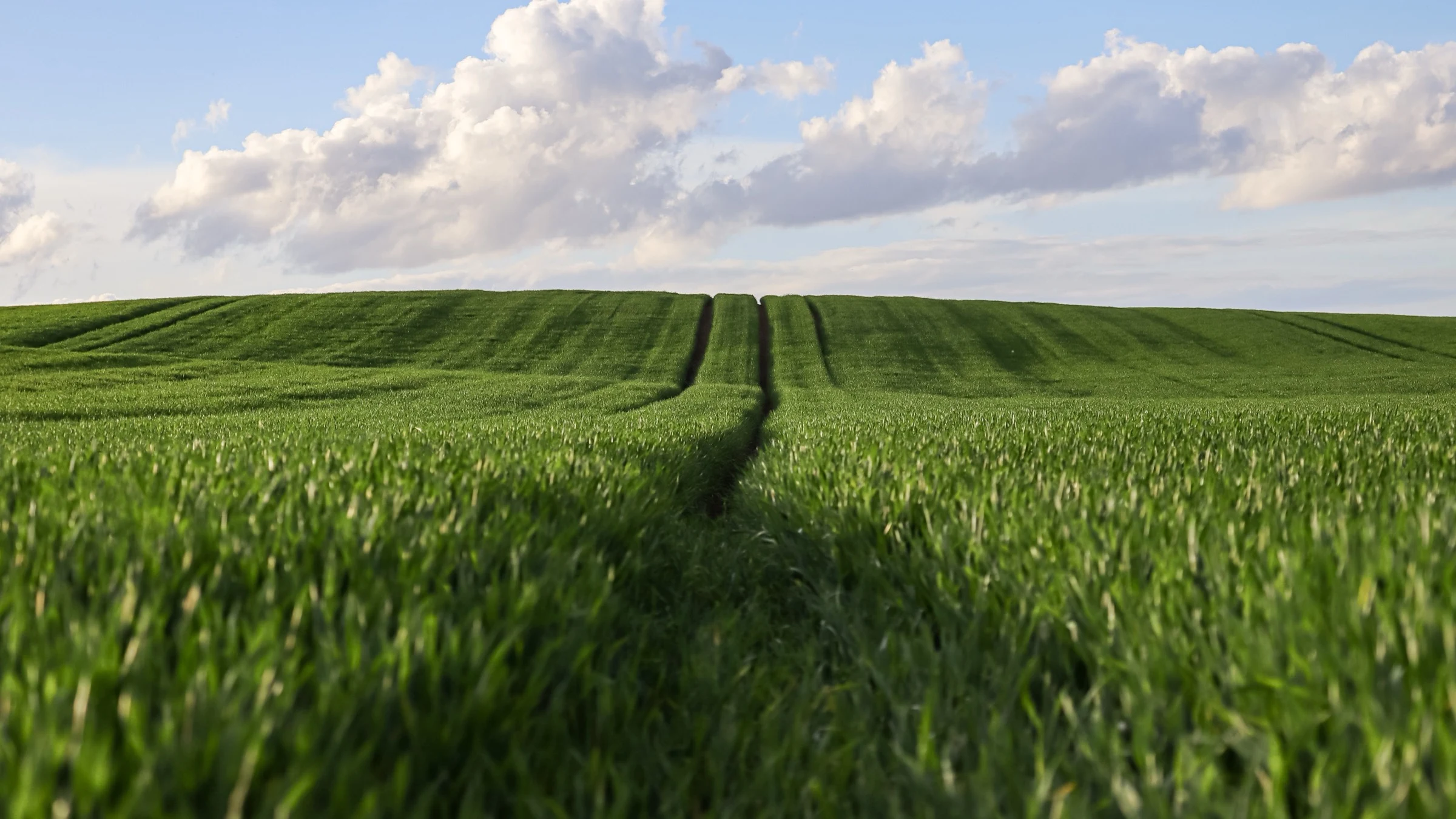
Spain is designing non-competitive grants for agricultural practices and nature-based solutions, beginning with €8.5 million around Doñana. The rules will matter because wetland recovery depends on farmer uptake, additionality and measurable pressure reduction.
Spain is consulting on a ministerial order that would establish non-competitive grants for good agricultural practice, nature-based solutions and sustainable food production. The first disclosed application is an €8.5 million line supporting rain-fed crops and organic agriculture around Doñana. The proposal matters because it moves wetland recovery into the design of farm-level incentives.
Doñana’s condition cannot be separated from the land and water economy around it. Agriculture supports livelihoods and regional production, while abstraction, land-use pressure and ecological degradation are part of the recovery problem. A grant can help farmers change practice, but only if its rules recognize the costs, timing and risks of transition. A technically elegant measure that few holdings can adopt will have limited landscape effect.
The proposed order would create a national basis for future calls linked to priority action frameworks and other strategic instruments for wetland conservation and ecosystem restoration. This makes the Doñana allocation both a local intervention and a test of a wider funding model. The consultation explicitly connects grants to climate adaptation, ecological condition in water bodies and ecosystem restoration.
The choice of non-competitive allocation is important. It can reduce the burden and uncertainty of ranking applicants against one another, especially where policy seeks broad uptake. It also places more weight on eligibility rules. If funding is available to every qualifying application until budgets are exhausted, definitions of eligible practice, evidence and additionality become the main quality controls.
Additionality is the first design test. Grants should finance a change that would not otherwise occur or accelerate a change that is difficult to sustain without support. If existing activity can simply be relabelled as a nature-based solution, expenditure may rise without changing pressure on the wetland. Baselines must therefore record previous land management, water demand and ecological condition with enough precision to demonstrate a meaningful difference.
The second test is fit with the farm business. Rain-fed and organic systems can reduce some pressures, but transition affects yields, labor, certification, equipment and routes to market. Payment timing and duration matter because ecological gains may take longer than a single growing season while farmers bear costs immediately. Advice, peer learning and technical support can be as important as the grant rate.
The third test is what the program measures. Hectares enrolled are useful for administration but cannot show whether pressure on Doñana has fallen. Measures should connect funded practice to water demand, soil condition, chemical inputs, habitat structure or other relevant outcomes. The appropriate indicator may differ by holding, but the program needs enough consistency to compare performance and improve future calls.
The €8.5 million line sits within a much larger Doñana framework. Spain reports €745.3 million of direct investment through 2028 across environmental recovery and sustainable territorial development, involving 13 ministries. Previous programs include €28.5 million for renaturalisation and ecological restoration in agricultural and forest areas. The new grants therefore need to complement, rather than duplicate, land retirement, restoration and infrastructure spending.
Coordination is especially important where one program pays for continued sustainable production and another supports renaturalisation. These are not competing choices in every location. Some land may remain productive under lower-pressure practices; other parcels may deliver greater public value through restored habitat or reduced water demand. Spatial priorities should help distinguish them.
The consultation stage is where the operating model can still improve. Clear definitions, proportionate evidence, accessible payments and outcome-linked monitoring would give farmers a usable route into restoration. Weak rules would create two opposite failures: exclusion through complexity or low additionality through vagueness.
Doñana’s recovery will not be secured by a grant line alone. The proposal is valuable because it treats agriculture as part of the restoration system rather than as an external sector to be constrained after decisions are made. Its credibility will depend on whether funded participation produces verifiable changes in how land and water are managed.
Take-Out
Agricultural nature-based funding succeeds when participation changes land and water pressures, not when a broad label allows existing practice to be rebadged.
Questions and answers
What readers should know
- What changed?
- Spain opened consultation on national grant rules for good agricultural practices, nature-based solutions and sustainable food production.
- What is the first disclosed funding line?
- €8.5 million for rain-fed crops and organic agriculture in Doñana's area of influence.
- Why use non-competitive grants?
- They can support wider uptake without ranking every eligible farmer, but they require strong eligibility and evidence rules.
- What is the main risk?
- Existing practices could be rebadged without producing additional reductions in water, soil or ecosystem pressure.
- What should the final rules contain?
- Clear baselines, practical payment terms, technical support, outcome measures and coordination with restoration and renaturalisation programs.