The Nordic Eco-label successful 25 years on
The Nordic Eco-label is over 27 years old, making it one of the world’s oldest eco-labels. Shaped like a swan the Nordic Ecolabel is found on products throughout the Nordic region: Denmark,…
Topic Hub
A focused intelligence section from the Mark and Focus archive, connecting recurring analysis across policy, infrastructure, resilience, technology, and urban systems change.
The Nordic Eco-label is over 27 years old, making it one of the world’s oldest eco-labels. Shaped like a swan the Nordic Ecolabel is found on products throughout the Nordic region: Denmark,…
Over the past two centuries, humans have converted or modified 70% of the world’s grasslands, 50% of the savannah, 45% of temperate forests and 27% of tropical forests for farming and grazing…
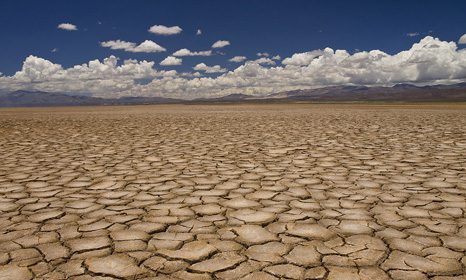
Demand for water is projected to outstrip supply by 2030 as a result of numerous mega-trends including climate change, rapid economic and population growth and urbanization. As such there is potential for…
Cities around the world are being impacted by more frequent and severe weather-events. With global urban populations increasing rapidly, and cities encroaching into natural watersheds, more people and infrastructure will be in…
A resilient city according to resilientcity.org is one that “has developed capacities to help absorb future shocks and stresses to its social, economic, and technical systems and infrastructures so as to still…
Sydney Water is Australia’s largest water utility and is among the ten most largest water utilities in the world. The utility provides water, recycled water and wastewater services to 1.4 million properties…
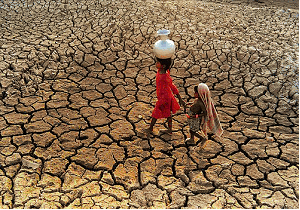
One of the major challenges for all nations, developing and developed, is ensuring people have reliable access to water supply services. By 2050, the UN projects that one in four people is…
The World Economic Forum’s annual Global Risks report has ranked the water supply crises as the number 1 global risk to businesses over the next ten years: Globally, individuals and communities are…
In 2007, the European Union’s Flood Directive entered into force requiring Member States to assess if all water courses and coastlines are at risk from flooding, to map the flood extent and…
Ecotourism is defined by the IUCN as “environmentally responsible travel to natural areas, in order to enjoy and appreciate nature (and accompanying cultural features, both past and present) that promote conservation, have…