A focused intelligence section from the Mark and Focus archive, connecting recurring analysis across policy, infrastructure, resilience, technology, and urban systems change.
What is a livability city? as experienced by its residents. However, cities are facing increased challenges from rising household consumption, rising demand for urban services, depletion of natural resources, increasing levels of…
A key aspect of managing demand for water is ensuring populations use their existing water supplies as efficiently as possible before plans are made to expand supplies through financially costly water transfer…
Globally, the transportation sector, which includes the movement of people and goods by cars, trucks, trains, ships, airplanes and other vehicles, is one of the largest contributor to greenhouse gas emissions (GHG):…
“Ethical behavior is doing the right thing when no one else is watching – even when doing the wrong thing is legal” Aldo Leopold In the face of climate change, human beings…
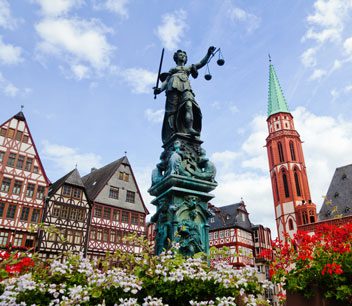
Frankfurt is one of the world’s leading green cities with: 52% of its space green; 160,000 trees lining its streets and spaces; and 40 parks and 50 lakes for recreation and outdoor…
The City of Melbourne’s urban forests are facing multiple challenges to their survival from climate change, population growth and urban heating. Over the next 20 years the city will experience a changing…
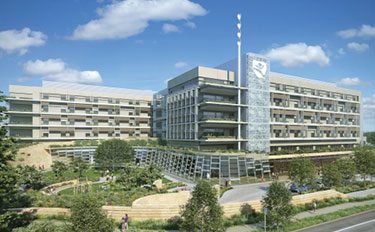
In the United States, water used in hospitals, and other healthcare facilities, comprises seven percent of the total water usage in the nation. In hospitals, the largest uses of water according to…
Environmental interventions in low and middle income countries primarily rely directly on addressing the issue at hand. For example, alternative stoves eliminating cook-stove air pollution, boreholes provide access to water, and alternative…