A focused intelligence section from the Mark and Focus archive, connecting recurring analysis across policy, infrastructure, resilience, technology, and urban systems change.
Since the birth of the skyscraper, Chicago has played a leading role as an innovative hub for architecture and construction. This innovative streak continues with Chicago’s buildings leading the way in energy…
This year ARCADIS launched its first Sustainable Cities Index. The purpose of the index is to take 50 of the most prominent cities and look at how viable they are as places…
New Orleans 10 years on from Hurricane Katrina is at watershed point in the management of its urban stormwater. Although the city’s century old drainage system will continue to be the primary…
On August 2nd 2015, 193 countries agreed to the next set of development goals, which will seek to end poverty, achieve gender equality and ensure resource security in every corner of the…
In 2011, a Siemens-Economist Intelligence Unit study ranked Singapore as Asia’s greenest city. To ensure Singapore is vibrant and sustainable, the city-state’s Green Building Masterplan has implemented several greener construction and building…
San Francisco’s Public Utilities Commission (SFPUC) has launched its successful bold and risqué water conservation advertisements for the second year in a row to achieve well-below average consumption rates compared to the…
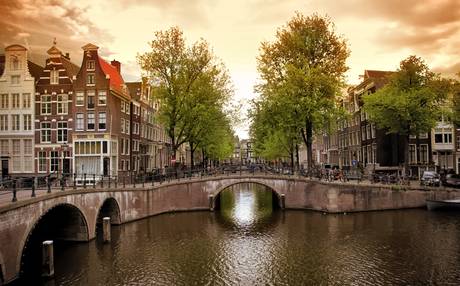
Amsterdam has launched its Sustainability Agenda for renewable energy, clean air, a circular economy and a climate-resilient city. Amsterdam’s citizens and businesses spend approximately EUR 1.8 billion on electricity bills annually. The…
New York City has launched its One New York plan for a strong and just city in terms of social, economic and environmental equity. As part of the plan New York aims…
Toronto’s urban forests are a significant asset to the city. Valued at $7 billion they produce, each year, $28 million worth of ecosystem services for the city, including carbon sequestration and flood…
According to UNESCO, poor wastewater management, or lack of it, means that only 20% of global wastewater receives proper treatment. With wastewater directly impacting biodiversity of aquatic ecosystems, disrupting their integrity and…