A focused intelligence section from the Mark and Focus archive, connecting recurring analysis across policy, infrastructure, resilience, technology, and urban systems change.
Countries around the world are beginning to transition away from fossil fuel-based economies towards bio-economies that use biological sources, materials and processes to achieve sustainable economic, social and environmental development. One of…
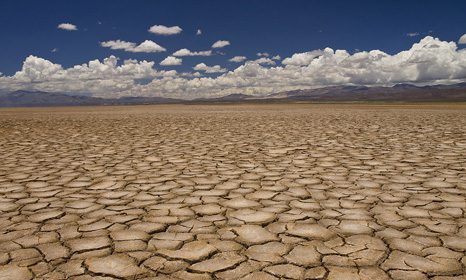
Over the past two centuries, humans have converted or modified 70% of the world’s grasslands, 50% of the savannah, 45% of temperate forests and 27% of tropical forests for farming and grazing…
Urban farming is the growing of plants and the raising of animals within and around cities. Examples of food products grown include crops such as grains, root crops, vegetables, mushrooms and fruit.…
By 2050, the world will require 60 percent more food produce as a result of rapid population growth and changing diets: as incomes rise demand for dairy products and meat increases. Globally,…
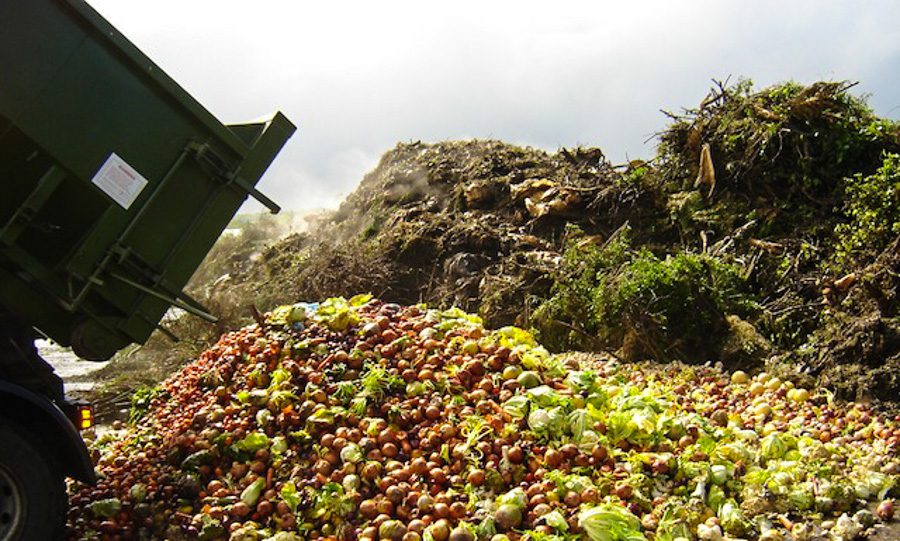
The French National Assembly has passed legislation banning supermarkets from throwing away or destroying unsold food. Instead, supermarkets must donate it to charity or use it as animal feed or compost. This…
The most common form of culture shock for Peace Corps Volunteers after service is grocery stores. When you go from a country with only two types of pasta, 5 different beers, and…
Based on some of my experiences on native vs. non-native plants there seems to be a huge “argument” over this issue. I couldn’t figure out why. After having done research over the…